Top 10 Best Smartphones of 2026: Ranked & Reviewed
Samsung's AI powerhouse claims the throne, but a $449 disruptor stole our attention. See which smartphone actually deserves your money in 2026.
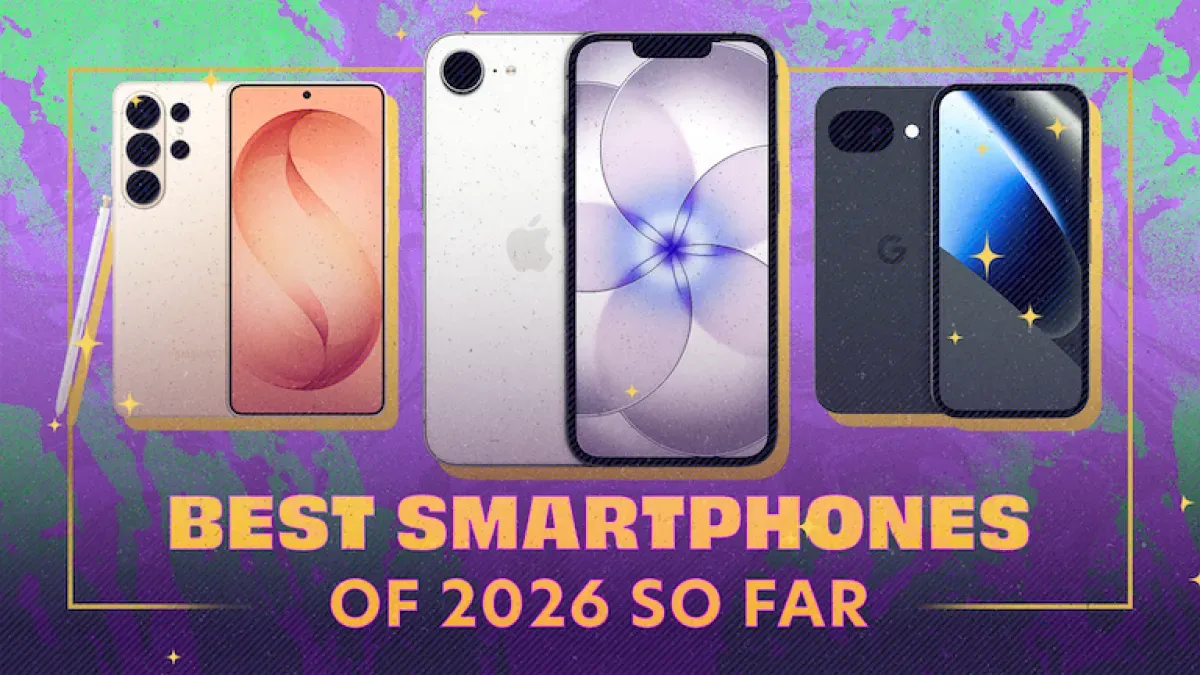
Every phone in 2026 claims AI superiority. Every camera promises pro results. Every screen brags about nits nobody can pronounce.
But most of these rectangles are forgettable. A few are genuinely great.
Samsung's latest Ultra finally fixes the privacy problem every traveler hates. OnePlus built a battery that lasts literal days. Apple admitted thinness was a mistake. And Nothing proved you don't need to spend four figures for flagship specs.
This ranking skips the spec-sheet warfare and tells you which devices are actually worth your money. Whether you need a camera that replaces your mirrorless, a battery that forgets chargers exist, or just a phone that works without drama, one of these ten belongs in your pocket.
Quick comparison: Top rated smartphones of 2026
| # | Product | Price | Rating | |
|---|---|---|---|---|
| #1 | Samsung Galaxy S26 Ultra | $1240 | 4.7/5 | View Deal |
| #2 | Samsung Galaxy S25 FE | $649.99 | 4.6/5 | View Deal |
| #3 | OnePlus 15 | $1,099.00 | 4.6/5 | View Deal |
| #4 | Apple iPhone 17 Pro | $1,549.00 | 4.6/5 | View Deal |
| #5 | Google Pixel 10 Pro XL | $867.00 | 4.4/5 | View Deal |
| #6 | Google Pixel 10 Pro | $984 | 4.4/5 | View Deal |
| #7 | Nothing Phone (4a) Pro | $449.00 | 4.4/5 | View Deal |
| #8 | OnePlus 15R | $799.00 | 4.4/5 | View Deal |
| #9 | HONOR Magic V5 | $1,399.00 | 4.3/5 | View Deal |
| #10 | Apple iPhone 17 | $789.99 | 4.1/5 | View Deal |
#1. Samsung Galaxy S26 Ultra
The privacy-conscious photographer's dream. Automatically hides your screen from shoulder-surfers while the AI camera turns amateur shots into gallery-worthy frames.
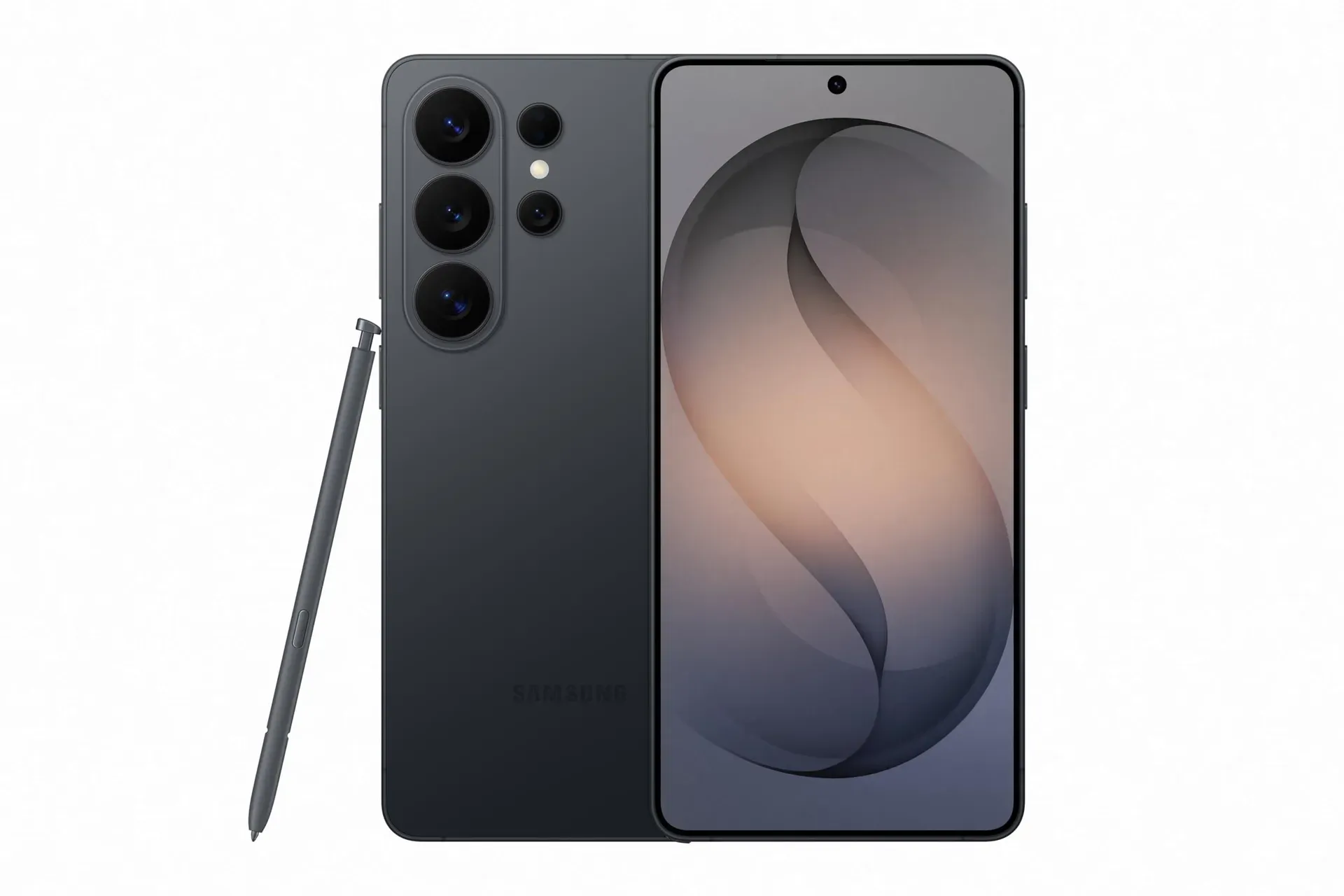
Price: $1240 Rating: 4.7/5 Best For: Photography Enthusiasts Check Price on Amazon
That Privacy Display actually works. It dims sensitive content when it detects off-axis eyes, solving the shoulder-surfing problem every commuter knows. The AI editing lets you type natural language commands like "remove tourist, add golden hour" and watch the reconstruction happen in seconds. At $1,240, it costs nearly double the S25 FE below, but concert photographers and travel shooters will find the Nightography capability and high-resolution sensor worth the premium. This isn't just a phone with a good camera. It's a post-processing studio that happens to make calls.
Pros
- Privacy Display automatically hides content from shoulder-surfers
- 200MP camera system with Nightography for low-light clarity
- Galaxy AI Photo Assist. Edit images by typing natural language
- Super Fast Charging 3.0 for rapid power recovery
- AI-optimized processor delivers fastest Galaxy performance yet
Cons
- At $1,240, it's priced well above most competitors
- 6.9-inch size can be unwieldy for one-handed use
Verdict: Buy if photography and privacy are non-negotiables. Skip if you want something pocketable or need to stay under $700.
#2. Samsung Galaxy S25 FE
Flagship features without the flagship tax. This Fan Edition delivers Samsung's AI experience and a stunning 6.7" display at a price that feels like a pricing error.
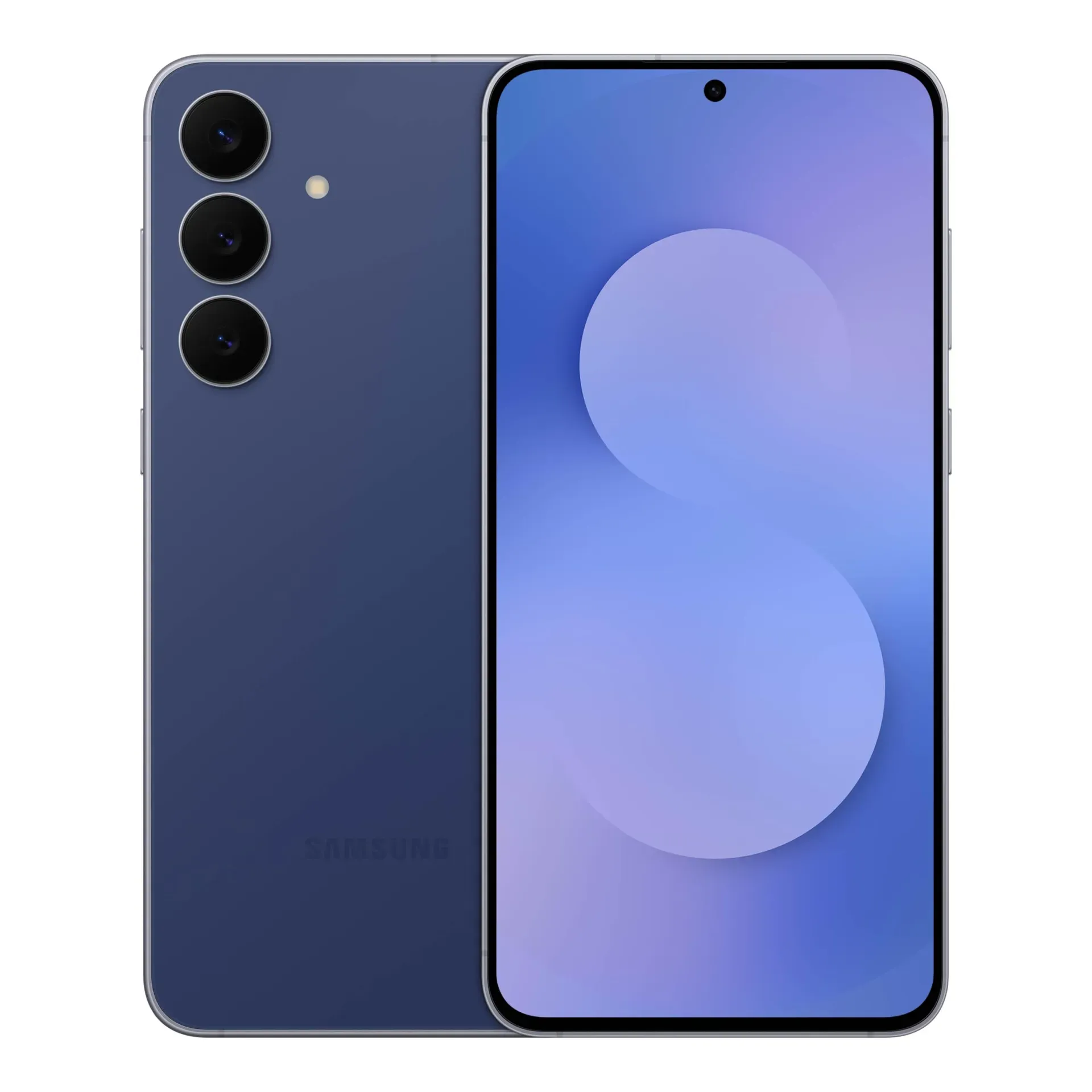
Price: $649.99 Rating: 4.6/5 Best For: Fan Edition Bargain Hunters Check Price on Amazon
Samsung's FE line used to mean "cheap version of the good stuff." The S25 FE breaks that rule. You get the same AI editing tools as the Ultra above, the same buttery scrolling, and a battery that outlasts phones costing twice as much. The main sensor isn't the Ultra's monster, but Samsung's image processing produces shots that pass for flagship. The build quality uses materials that survive drops cracking premium competitors. Paying $590 less than the Ultra while keeping 90% of what matters feels like a pricing error.
Pros
- 6.7" Super AMOLED display with 120Hz refresh rate
- 4,900mAh battery with Super Fast Charging 2.0
- Galaxy AI Generative Edit for moving and erasing objects
- Armor Aluminum frame with Gorilla Glass Victus+ durability
- Google Gemini live camera sharing for real-time help
Cons
- 128GB base storage fills quickly without expandable memory
- Less premium materials compared to S26 Ultra
Verdict: Buy if you want flagship AI and display quality without the $1,200+ price tag. Skip only if you need absolute camera perfection.
#3. OnePlus 15
A 7,300mAh battery paired with a 165Hz display makes this the endurance champion for mobile gamers and power users who hate wall outlets.
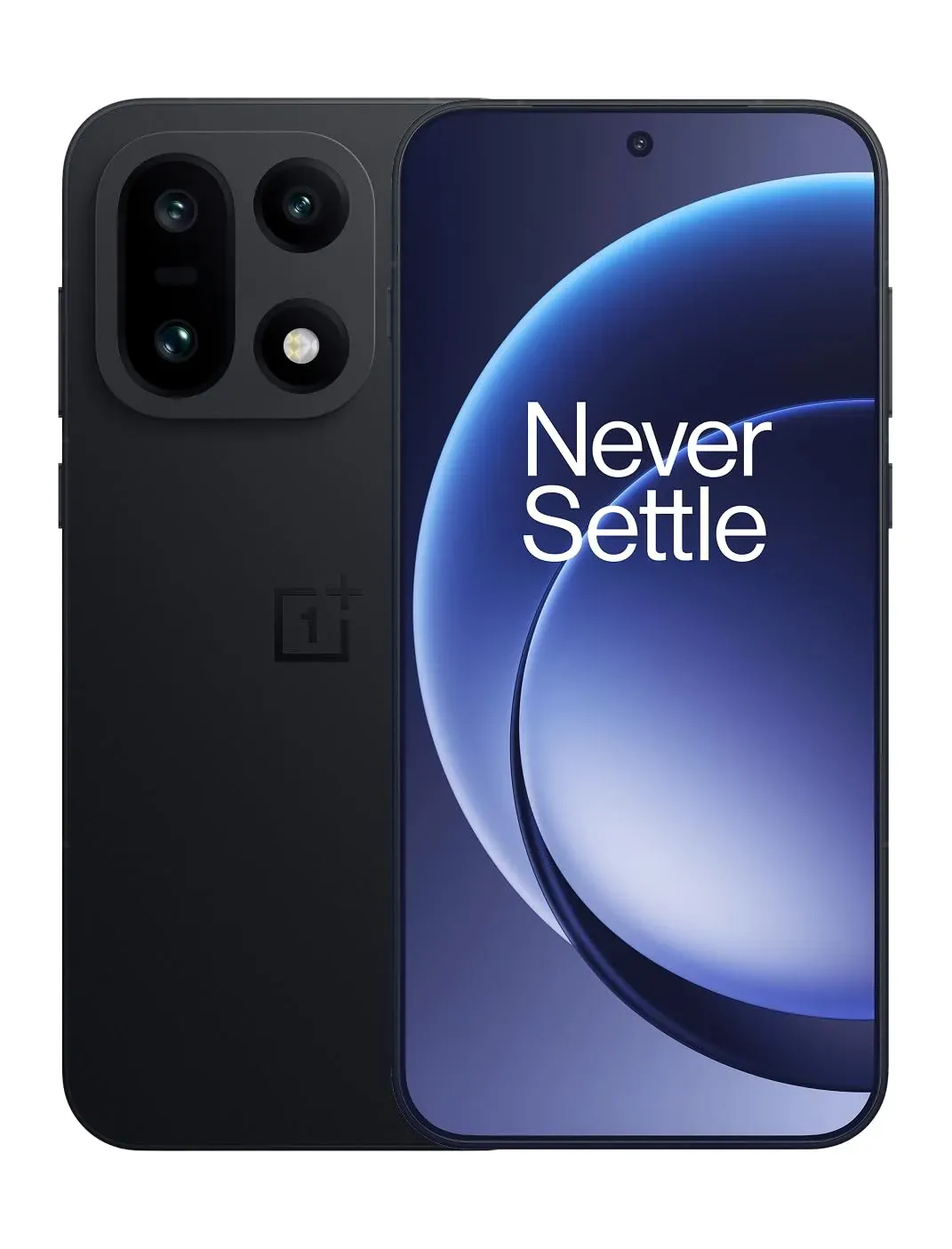
Price: $1,099.00 Rating: 4.6/5 Best For: Performance Seekers Check Price on Amazon
Gaming phones usually look like RGB nightmares with cameras as an afterthought. The OnePlus 15 keeps the smooth display and extreme performance but skips the embarrassing design. That battery isn't just big. It's the largest in any mainstream flagship, meaning you could forget your charger for a weekend and still have juice Monday morning. The cameras are surprisingly competent for a performance-focused device, and the durability ratings mean it survives pressure washing. It costs $1,099, which undercuts Samsung's Ultra while delivering better gaming endurance. For pure performance per dollar, this is the champion.
Pros
- Massive 7,300mAh battery for multi-day usage
- Tri-chip system with Snapdragon 8 Elite Gen 5
- 6.78" 165Hz AMOLED display for ultra-smooth visuals
- Triple 50MP camera system (wide, ultra-wide, telephoto)
- IP66/IP68/IP69 and IP19K durability ratings
Cons
- 16GB RAM model pushes price near Samsung Ultra territory
- OxygenOS lacks some Galaxy AI features
Verdict: Buy if you prioritize battery life and gaming performance above all else. Skip if camera AI and stylus support matter more than endurance.
#4. Apple iPhone 17 Pro
Apple's unibody aluminum design finally delivers the thermal headroom and battery capacity Pro users have demanded for years. Eight pro lenses in your pocket.
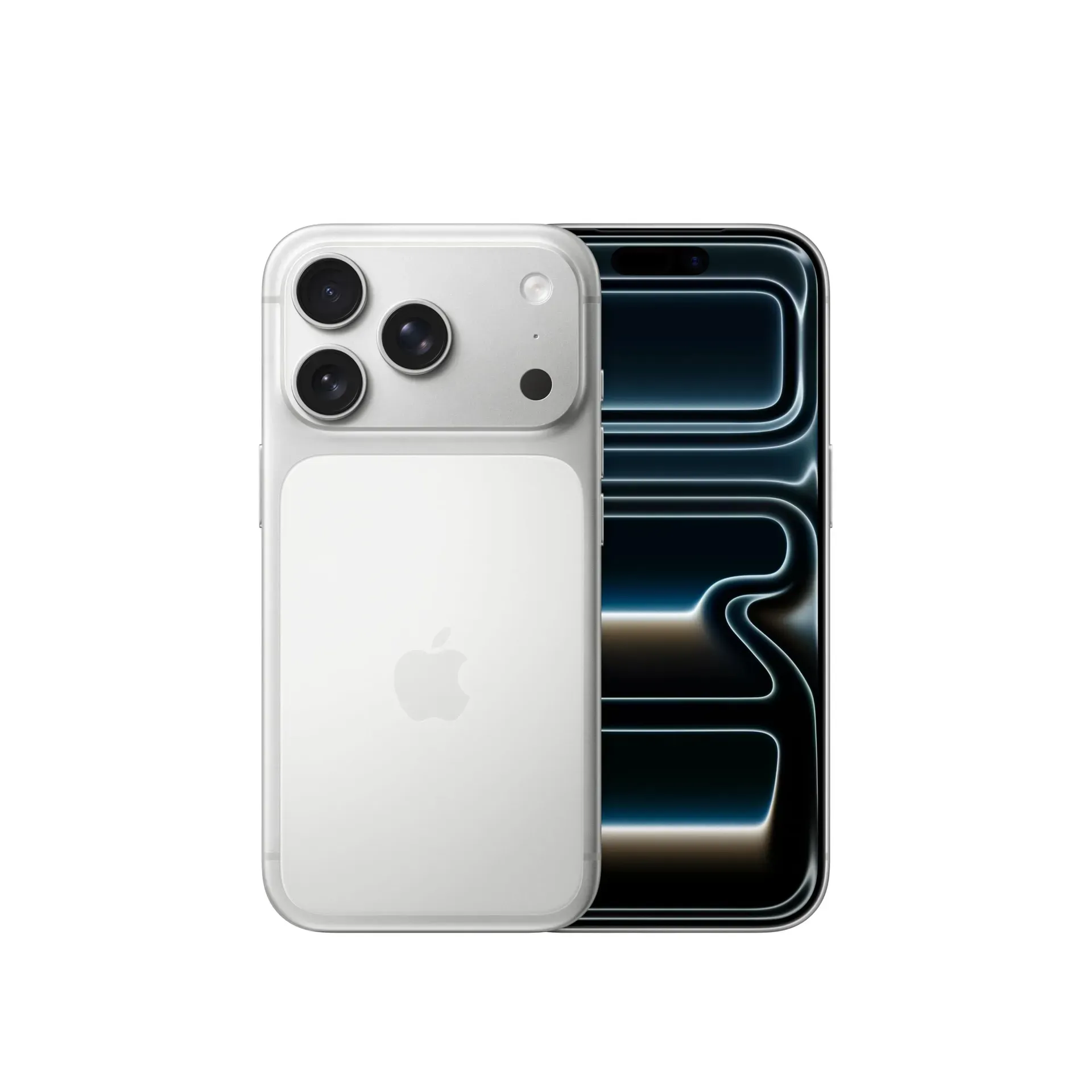
Price: $1,549.00 Rating: 4.6/5 Best For: Pro Creators Check Price on Amazon
Apple finally admitted thinness was a mistake. That unibody construction isn't just durable. It functions as a thermal solution that lets the chip run at sustained speeds without throttling during 4K video exports. The result is significantly better sustained performance and breakthrough battery life, a figure that makes the standard iPhone 17 look like a toy. The zoom range means carrying multiple lenses simultaneously. At $1,549, it costs more than a MacBook Air. But for video professionals who need ProRes without overheating, this is the only tool that delivers.
Pros
- All 48MP rear cameras with 8x optical-quality zoom range
- Heat-forged aluminum unibody for superior thermals
- A19 Pro chip with 40% better sustained performance
- 33 hours video playback. Breakthrough battery life
- Ceramic Shield 2 with 3x better scratch resistance
Cons
- $1,549 price is the highest on this list
- eSIM only. No physical SIM tray for international flexibility
Verdict: Buy if you're a content creator who needs the absolute best video capabilities and ecosystem integration. Skip if you're budget-conscious or prefer Android flexibility.
#5. Google Pixel 10 Pro XL
Google's computational photography wizardry reaches new heights with 100x zoom and a 3,300-nit display that's visible even under harsh midday sun.
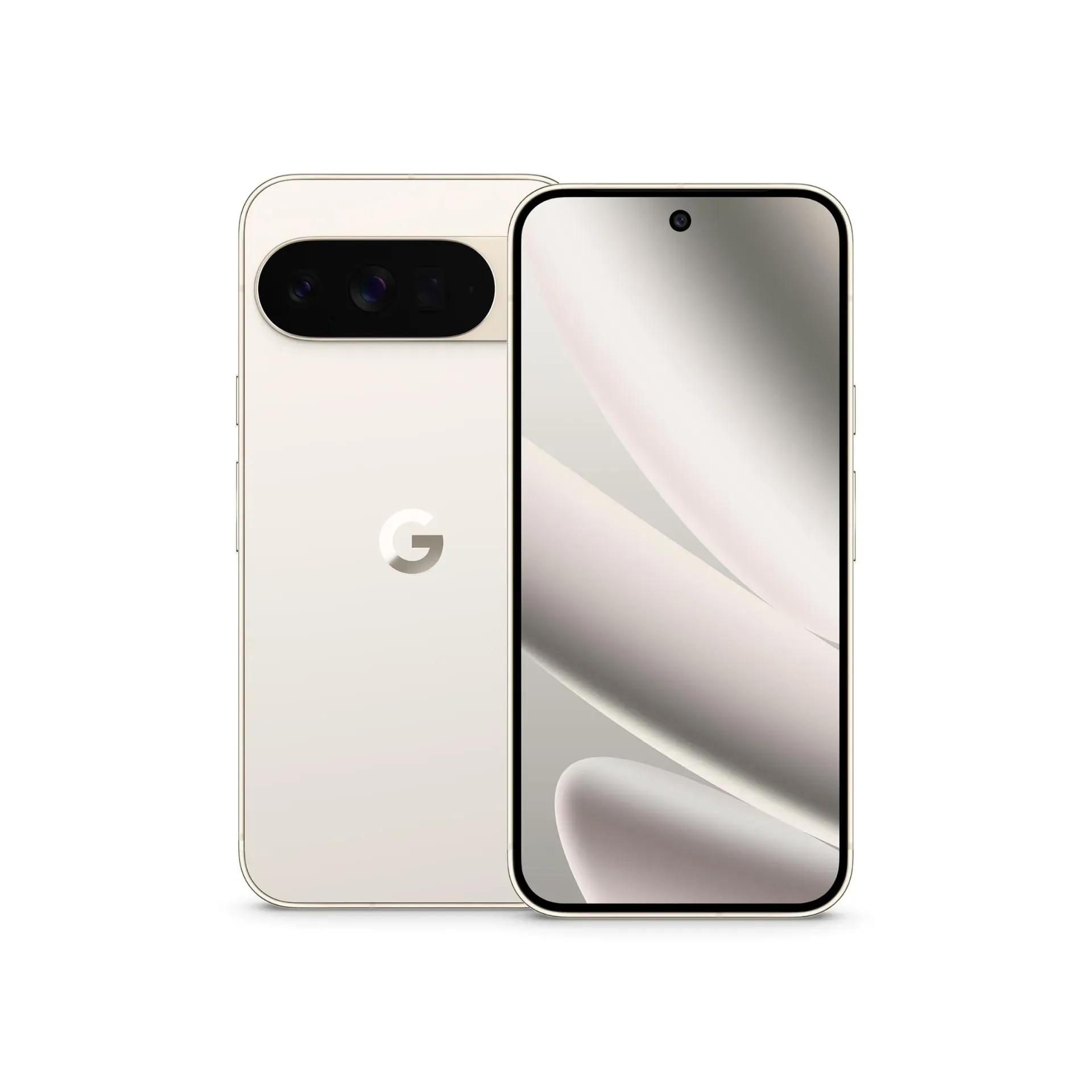
Price: $867.00 Rating: 4.4/5 Best For: AI and Camera Lovers Check Price on Amazon
Photography purists dismiss computational photography as cheating while carrying expensive lens setups. Pixel owners get identical results from a jeans pocket. Google's chip isn't just fast. It's purpose-built for the machine learning that separates Pixels from competitors. The zoom capability captures readable street signs from three blocks away. The display hits brightness levels perfect for beach days where competitors wash out. At $867, it undercuts Samsung's Ultra by nearly $400 while matching most camera capabilities. The trade-off is less gaming performance and no stylus support. But for pure photography value, nothing else comes close.
Pros
- 6.8" Super Actua display with 3,300-nit peak brightness
- 100x Pro Res Zoom with advanced Google AI models
- Google Tensor G5 chip optimized for AI and photography
- 50MP images and super-steady 8K video recording
- Carrier-unlocked flexibility with all major US networks
Cons
- Tensor G5 lags behind Snapdragon in raw gaming performance
- 256GB storage isn't expandable
Verdict: Buy if you want the best camera AI and brightest display for under $900. Skip if you're a hardcore mobile gamer or need stylus support.
#6. Google Pixel 10 Pro
Identical AI brains to the XL in a pocket-friendly 6.3-inch body. This is Google's flagship for people who hate phablets.
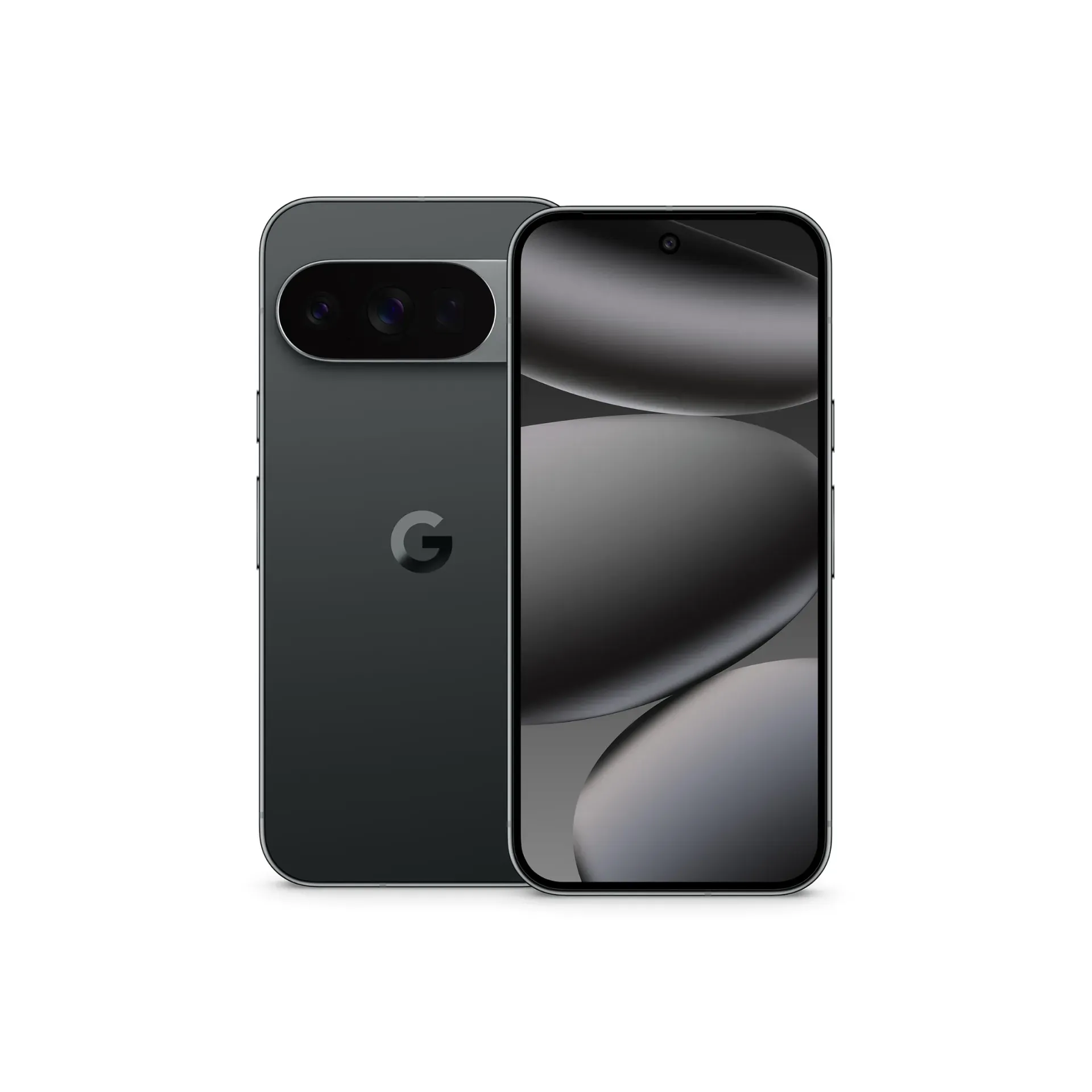
Price: $984 Rating: 4.4/5 Best For: Compact Flagship Fans Check Price on Amazon
Phone makers abandoned compact flagships, forcing small-hand users to choose between budget devices and hand cramps. This model rejects that false choice. Every AI feature from the larger version is here, just in a chassis that doesn't require thumb gymnastics. The brightness and protection remain, and the chip doesn't get downclocked. One-handed texting on the subway becomes possible again. Jeans pockets stop screaming. The price premium over the larger variant seems backwards until you realize what you're paying for: ergonomics. Not everyone wants a tablet pressed to their face.
Pros
- 6.3-inch Super Actua display with same 3,300-nit brightness as XL
- Full 100x Pro Res Zoom and 50MP camera system
- Google Tensor G5 with identical AI capabilities to larger model
- One-hand friendly without compromising flagship features
- Corning Gorilla Glass Victus 2 construction
Cons
- 128GB base storage limits media hoarders
- Priced higher than the larger XL variant
Verdict: Buy if you want flagship AI and camera quality in a genuinely pocketable size. Skip if you watch lots of video or need maximum battery life.
#7. Nothing Phone (4a) Pro
A $449 phone with a 5,000-nit display and 140x zoom. Nothing's transparent design philosophy extends to their pricing strategy.
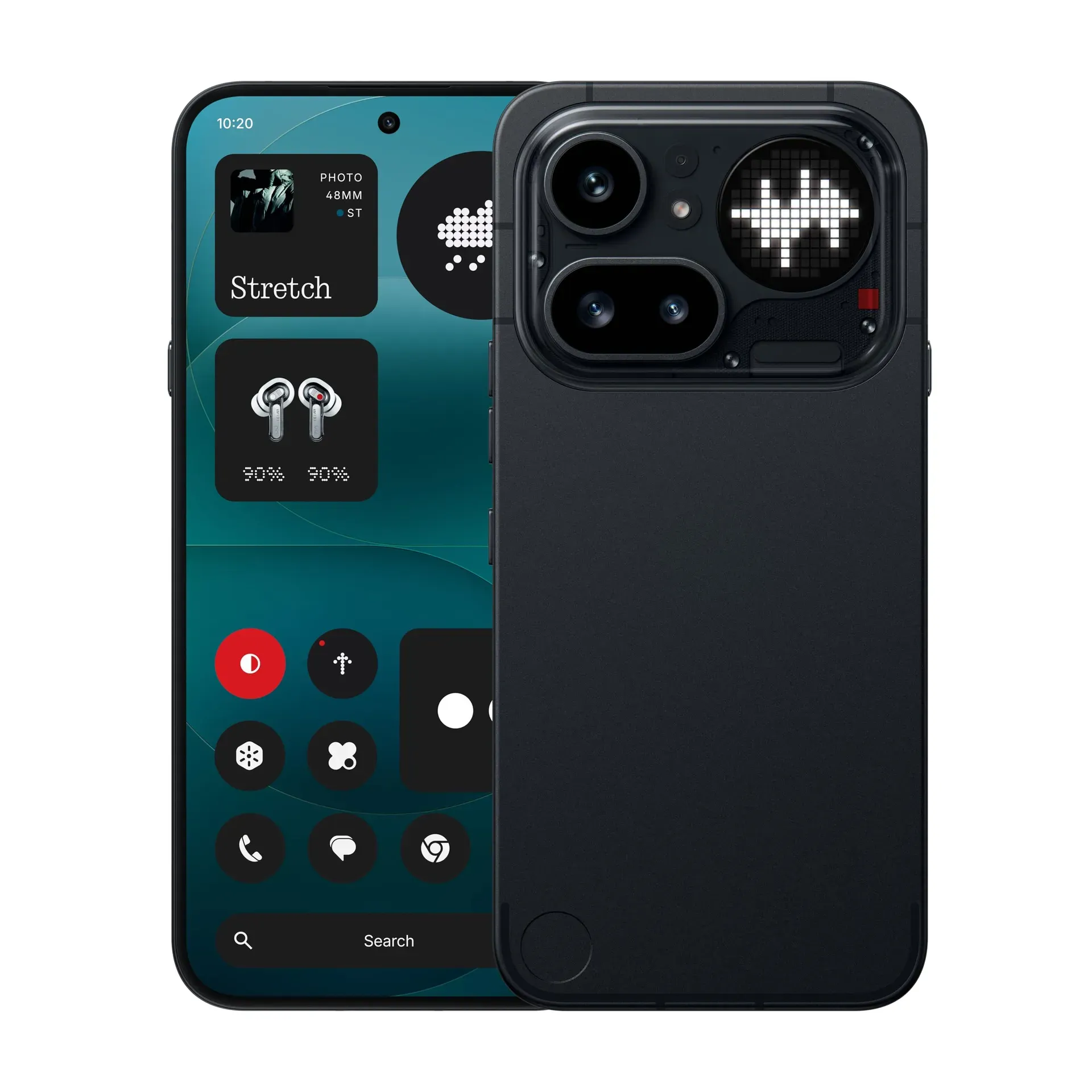
Price: $449.00 Rating: 4.4/5 Best For: Design and Value Seekers Check Price on Amazon
Carl Pei's marketing team needs to talk to their accounting department. This device costs $449 yet packs a display brighter than the Galaxy S26 Ultra, and a telephoto reaching 140x zoom. The LED notification system isn't just a party trick. It eliminates the need to check your screen constantly. The software runs bloatware-free, and the aluminum unibody feels more premium than phones costing triple. The processor won't win benchmark wars, but paired with 12GB RAM, it handles daily tasks smoothly. This isn't just the best budget option. It's a category killer that embarrasses mid-rangers costing nearly double.
Pros
- 6.83" 144Hz AMOLED with record-breaking 5,000-nit peak brightness
- 50MP periscope telephoto with up to 140x ultra zoom
- Glyph Matrix with 137 controllable mini-LEDs for notifications
- 5,080mAh battery with 50W fast charging (60% in 30 minutes)
- Clean Android 16 with bloatware-free Nothing OS 4.1
Cons
- IP65 rating. Splash resistant but not submersible
- Limited Verizon compatibility. Requires carrier IMEI registration
Verdict: Buy if you want flagship features at mid-range prices and appreciate unique design. Skip if you're on Verizon or need waterproofing.
#8. OnePlus 15R
The largest battery ever in a OnePlus phone. 7,400mAh means charging anxiety becomes a relic of the past.
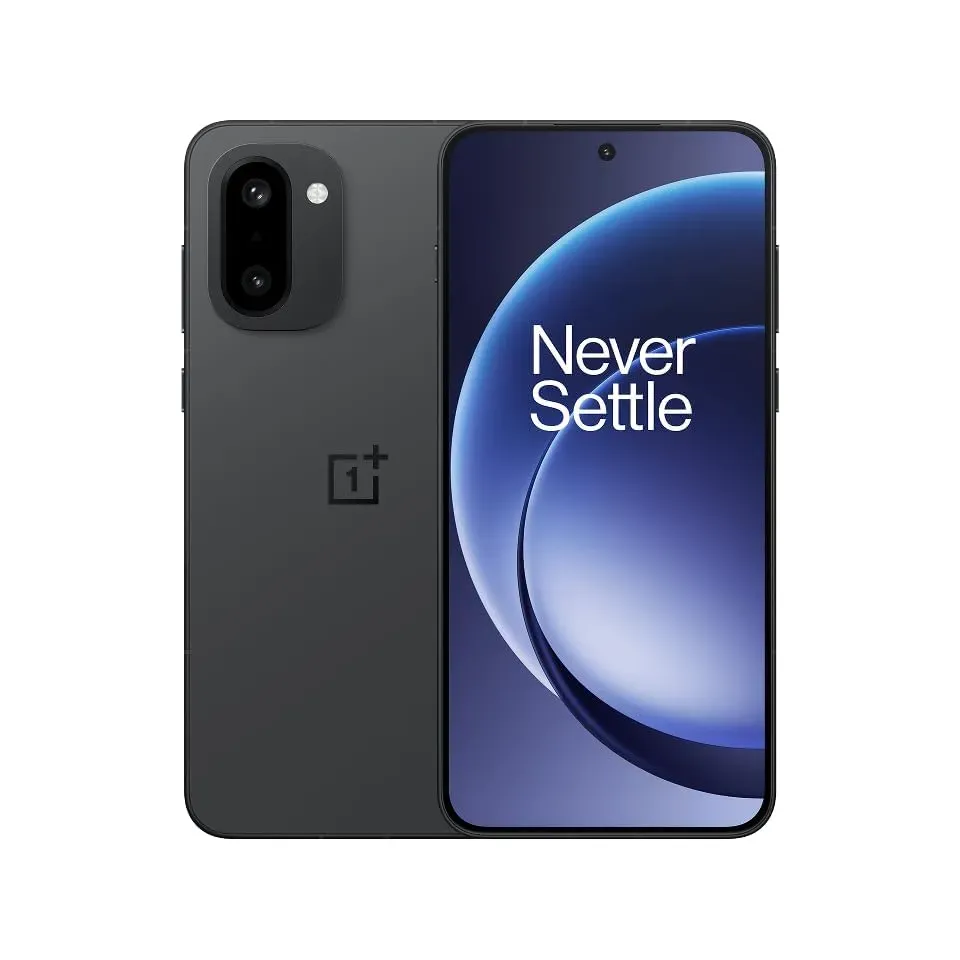
Price: $799.00 Rating: 4.4/5 Best For: Battery Life Prioritizers Check Price on Amazon
People have developed Stockholm syndrome around battery life. They carry power banks like oxygen tanks, scout cafes for outlets, and accept 4PM anxiety as normal. This phone says: enough. That cell isn't just bigger than the flagship model above. It's larger than most tablets. Paired with efficient processors and an adaptive display, this device laughs at heavy usage. Fast charging means even when you finally need power, you're back to 60% in minutes. The durability ratings here actually beat the more expensive sibling. At $799, it undercuts most flagships while outlasting them by literal days.
Pros
- 7,400mAh battery. Largest ever in a OnePlus device
- 80W SUPERVOOC fast charging for rapid top-ups
- World's first Snapdragon 8 Gen 5 with custom Wi-Fi chip
- 165Hz 1.5K display with 3200Hz Touch Response
- Industry-leading IP ratings including IP69 dust/water protection
Cons
- Camera system less advanced than Pixel or Galaxy offerings
- 512GB model price approaches true flagship territory
Verdict: Buy if battery life is your top priority and you want fast charging to match. Skip if camera quality matters more than endurance.
#9. HONOR Magic V5
A 7.95-inch tablet that folds into a 6.43-inch phone. This foldable finally delivers on the promise without the durability anxiety.
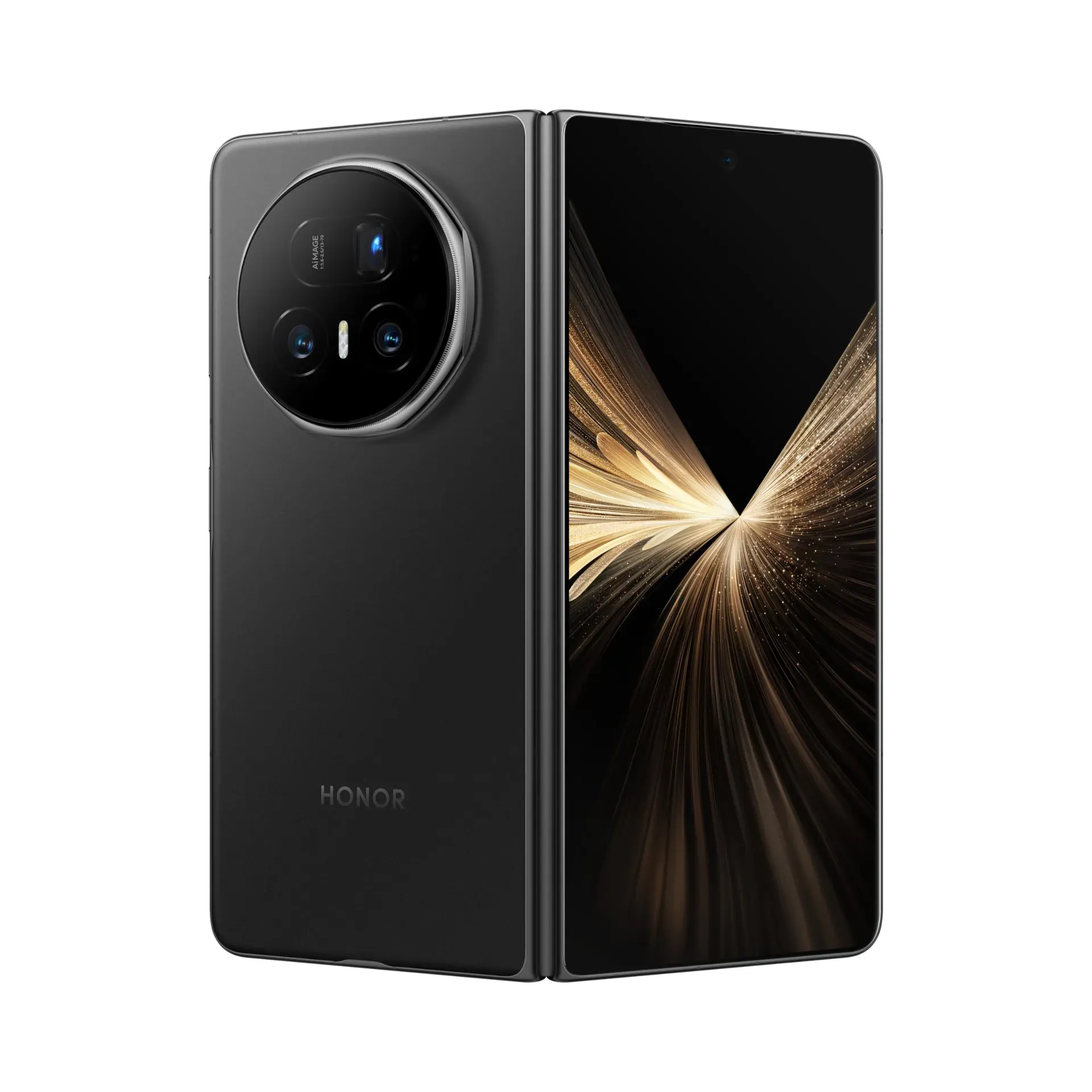
Price: $1,399.00 Rating: 4.3/5 Best For: Foldable Power Users Check Price on Amazon
Early foldables felt like expensive science experiments: fragile, thick, and embarrassing to unfold in public. This model carries none of that stigma. Closed, it's a normal phone for one-handed tasks. Opened, the inner display becomes a legitimate tablet for spreadsheets or comics. The processor with 16GB RAM handles three apps simultaneously without stutter. The camera system produces genuinely good photos, not the afterthought sensors typical of foldables. At $1,399, it undercuts Samsung's Z Fold while offering comparable specs. The catch is no Verizon or Sprint support, and the crease, while minimal, still exists. But for productivity nerds wanting a tablet and phone in one device, this is the most refined foldable available.
Pros
- 7.95-inch foldable OLED inner display with 1.07 billion colors
- 6.43-inch external OLED for one-handed use
- Snapdragon 8 Elite with 16GB RAM for multitasking power
- Triple camera system: 50MP + 50MP + 64MP rear sensors
- 5,820mAh battery with Wi-Fi 7 and Bluetooth 6.0
Cons
- Not compatible with Verizon, Sprint, or US Cellular
- $1,399 price is steep for mainstream adoption
Verdict: Buy if you want maximum screen real estate and productivity in a pocketable form factor. Skip if you're on Verizon or want flagship camera AI.
#10. Apple iPhone 17
The entry-level iPhone that doesn't feel entry-level. Perfect for the Apple ecosystem without the Pro price punishment.
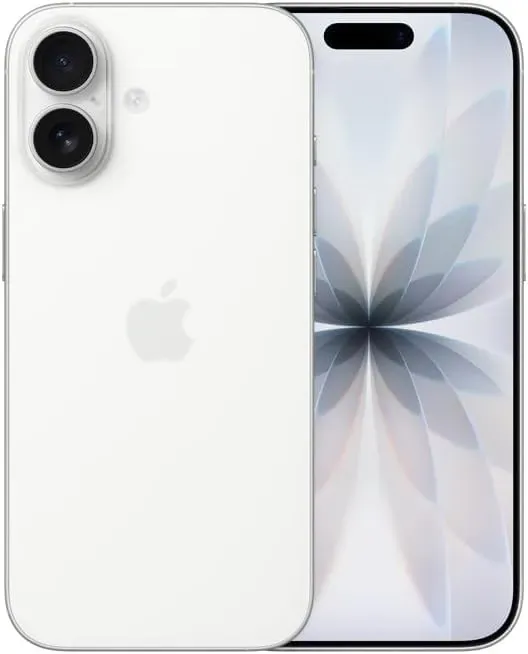
Price: $789.99 Rating: 4.1/5 Best For: Everyday iPhone Buyers Check Price on Amazon
Apple's base model used to feel like a compromise, a way to trap you in iOS before you realized what you were missing. This generation breaks that pattern. The chip delivers nearly all of the Pro model's performance for everyday tasks, the display is finally bright enough for outdoor use, and the base storage means you're not deleting photos after six months. The camera system won't match the Pro's trifecta, but computational photography still produces social-media-ready shots that embarrass Android phones twice the price. eSIM support works across all major carriers. At $789, it's significantly less than the Pro while delivering what most users actually need.
Pros
- A19 Bionic chip provides flagship-level performance
- 256GB base storage. No more 128GB anxiety
- Unlocked compatibility with all major US carriers
- Full iOS ecosystem integration (iMessage, AirDrop, Continuity)
- Significantly cheaper than iPhone 17 Pro
Cons
- No telephoto lens or 48MP main camera
- 4.1/5 rating is lowest on this list
Verdict: Buy if you want the iOS ecosystem without spending Pro money. Skip if you need telephoto zoom or create professional video content.
How to choose the best smartphones of 2026
Key specs to look for
Processor generation matters more than marketing suggests. The Snapdragon 8 Elite/Gen 5 and Apple A19 Pro represent 2026's performance ceiling, while Google's Tensor G5 prioritizes AI over benchmarks. Display brightness, measured in nits, determines outdoor usability. Anything under 2,000 nits struggles in direct sunlight, while the Nothing Phone (4a) Pro hits 5,000 nits. Camera megapixel counts are misleading. Pixel size and computational processing matter more. Look for OIS and telephoto lenses, not just high MP numbers.
Price vs. value
The $600-$900 range is 2026's sweet spot. The Samsung Galaxy S25 FE and Pixel 10 Pro XL deliver 90% of flagship experiences for hundreds less. Spending $1,500+ only makes sense for video professionals or power users who need every feature. Conversely, sub-$500 options like the Nothing Phone (4a) Pro now offer specs that were flagship-tier two years ago.
Brand reliability and support
Samsung leads in update longevity: four years of Android updates and five years of security patches. Google matches this commitment with Pixel devices. OnePlus has improved but still lags slightly. Apple's five-year support cycle remains industry-leading. For carrier compatibility, avoid the Nothing Phone (4a) Pro and HONOR Magic V5 if you're on Verizon. They require workarounds or don't work at all.
Are smartphones waterproof?
Water resistance varies dramatically. IP68 (submersion up to 1.5 meters for 30 minutes) is standard on flagships like the Galaxy S26 Ultra and iPhone 17 Pro. The OnePlus 15 achieves IP69, surviving high-pressure jets. Budget options like the Nothing Phone (4a) Pro offer only IP65: splash resistance, not submersion. Never assume water-resistant means waterproof without checking the specific IP rating.
Frequently asked questions
What's the best smartphone for photography in 2026?
The Samsung Galaxy S26 Ultra leads with its 200MP sensor and Nightography, but the Google Pixel 10 Pro XL offers superior AI editing for $370 less. For pure computational photography magic, go Pixel. For versatility and zoom, go Samsung.
What's the best budget smartphone of 2026?
The Nothing Phone (4a) Pro at $449 is unbeatable. It offers a 5,000-nit display, 140x zoom, and clean Android. The Samsung Galaxy S25 FE at $649 is the best budget flagship if you prefer established brands.
What's the best smartphone for gaming in 2026?
The OnePlus 15 with its 165Hz display and 7,300mAh battery is the choice for serious mobile gamers. The OnePlus 15R offers similar gaming performance with even better battery life for $300 less.
Are expensive smartphones worth it in 2026?
Above $1,000, you're paying for camera versatility, build materials, and brand prestige. The iPhone 17 Pro justifies its $1,549 price for video professionals. For everyone else, phones like the Pixel 10 Pro XL at $867 deliver nearly identical daily experiences.
How long do smartphones typically last?
With proper care, flagship smartphones last 4-5 years thanks to extended software support from Samsung, Google, and Apple. Battery degradation is the usual limiting factor. Expect 80% capacity after 2-3 years of daily charging. The OnePlus 15R with its massive 7,400mAh battery will outlast competitors by a full year before needing replacement.
Final verdict
The Samsung Galaxy S26 Ultra remains the photography and privacy king for those who refuse compromise. The Galaxy S25 FE proves Samsung can deliver flagship AI at mid-range prices. And the OnePlus 15 redefines what power users should expect from battery life.
Every phone on this list earned its spot through real performance, not marketing budgets. Whether you prioritize camera AI, gaming endurance, foldable innovation, or pure value, one of these ten devices will serve you well for years. Remember that prices fluctuate. Check current Amazon deals using the links above, as discounts often drop these phones into even more attractive territory.