Top 10 Best Gaming Consoles of 2026: Ranked & Reviewed
A $228 handheld beat every $700 powerhouse on this list. The 10 best gaming consoles of 2026, ranked by the numbers that actually matter.
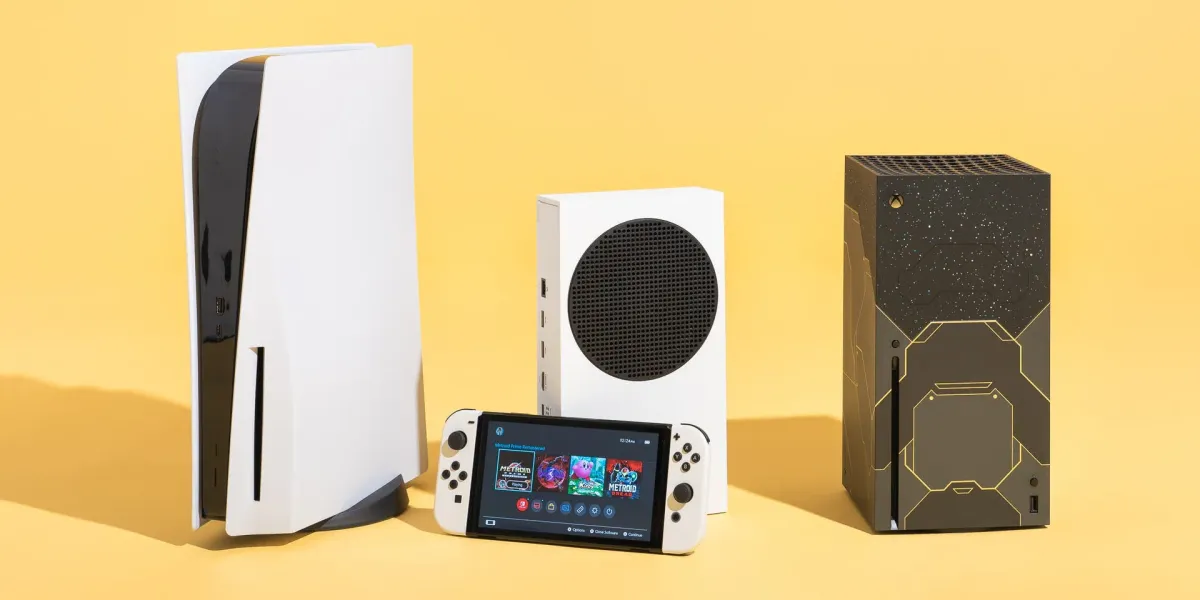
| # | Product | Price | Rating | |
|---|---|---|---|---|
| #1 | Nintendo Switch Lite | $228.00 | 4.8/5 | View Deal |
| #2 | PS5 Digital Edition (Slim) | $599.00 | 4.8/5 | View Deal |
| #3 | Nintendo Switch OLED | $299.00 | 4.7/5 | View Deal |
| #4 | Xbox Series X | $798.00 | 4.7/5 | View Deal |
| #5 | Xbox Series S | $498.00 | 4.7/5 | View Deal |
| #6 | PS5 Pro | $699.00 | 4.7/5 | View Deal |
| #7 | Steam Deck OLED | $849.98 | 4.5/5 | View Deal |
| #8 | NVIDIA Shield TV Pro | $199.00 | 4.4/5 | View Deal |
| #9 | Logitech G Cloud | $199.00 | 4.3/5 | View Deal |
| #10 | Razer Edge WiFi | $250.00 | 4.1/5 | View Deal |
#1. Nintendo Switch Lite - Blue
The highest-rated gaming console on the planet costs just $228.
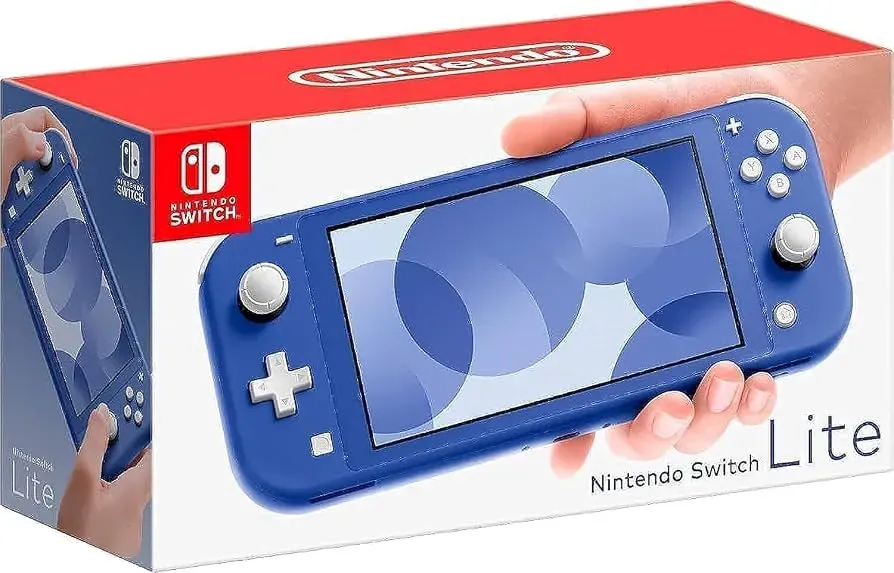
Price: $228.00 Rating: 4.8/5 Best For: Handheld-Only Gamers Check Price on Amazon
The Switch Lite at #1 might raise eyebrows. The PS5 Pro has AI upscaling. The Series X pushes 12 teraflops. And yet this $228 handheld holds a 4.8 from over 59,000 buyers. That's more reviews than every other console on this list combined. It nails exactly what it sets out to do: pure handheld gaming with no TV ambitions and no Joy-Cons to lose. Compared to the OLED Switch at #3, you give up the bigger screen and TV docking. What you gain is pocketability, a lower price, and the highest satisfaction score in gaming. For handheld-only players who don't care about 4K, nothing else delivers this much fun per dollar.
Pros
- 6.2-inch 720p LCD touchscreen
- 32GB internal storage expandable via microSD
- Compact, lightweight all-in-one build with no detachable parts
- 3 to 7 hours of battery life depending on the title
- Compatible with the entire Switch handheld library
Cons
- No TV output at all, so couch multiplayer is out
- Built-in controls are permanent. If sticks drift, you replace the whole unit
- No HD rumble or IR motion camera support
Verdict: Buy this if you game on the go and don't care about TV docking. Skip it only if you need couch multiplayer or 4K visuals. But for pure portable play, nothing touches the Lite's satisfaction-per-dollar ratio.
#2. PlayStation 5 Digital Edition (Slim)
Sony's flagship experience, stripped of the disc drive but none of the power.
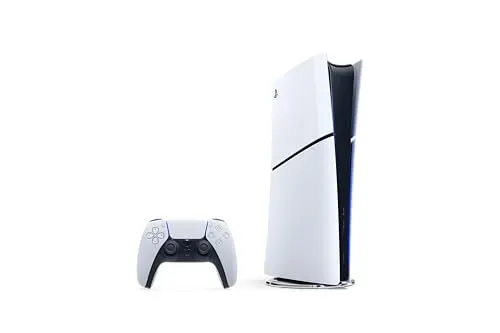
Price: $599.00 Rating: 4.8/5 Best For: Digital-First Gamers Check Price on Amazon
Buying disc-free used to mean compromising. Not anymore. The PS5 Slim Digital Edition packs the same custom AMD silicon as its disc-drive sibling, just in a trimmer chassis with a 1TB SSD. Games load in seconds. At $599, it occupies a fascinating spot: $100 less than the PS5 Pro (#6) and about $200 more than the Switch OLED (#3). You're trading the Pro's doubled storage and visual enhancements for a cleaner price and a console that actually fits in most media cabinets. The 4.8 rating across 5,700+ reviews confirms Sony got the refinement right. For anyone who stopped buying physical discs years ago, this is the smartest PS5 to buy.
Pros
- 1TB NVMe SSD with near-instant load times
- 4K gaming at up to 120Hz with HDR
- DualSense controller with haptic feedback and adaptive triggers
- 10.3 TFLOPS custom RDNA 2 GPU
- Slimmer, lighter chassis than the original PS5
Cons
- Your existing PS4 disc collection is a paperweight here
- Vertical stand sold separately, which feels stingy at $599
- Half the storage of the PS5 Pro's 2TB
Verdict: The right PS5 for digital buyers. If you still own a shelf of Blu-rays or hunt for used disc deals, look at the standard edition instead. Everyone else gets the full Sony flagship experience at a better price.
#3. Nintendo Switch - OLED Model w/ White Joy-Con
That 7-inch OLED screen makes every game you already love look new again.
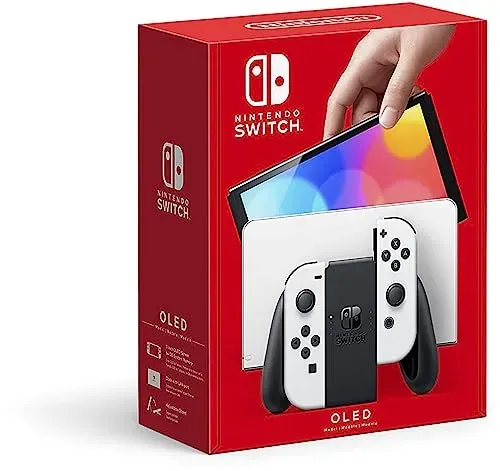
Price: $299.00 Rating: 4.7/5 Best For: Hybrid Console Fans Check Price on Amazon
Two things happen when you put a Switch OLED next to the original. First, you can't un-see the difference. The 7-inch panel delivers deeper blacks, punchier colors, and a noticeably richer handheld experience. Second, you realize Nintendo's hybrid formula still hasn't been surpassed. The OLED Model slots between the Lite (#1) and the premium consoles on this list, giving you that screen plus TV docking at 1080p. The 64GB storage doubles what the Lite offers, and the wide adjustable kickstand actually works for tabletop sessions without wobbling. If the Lite is pure handheld, the OLED is handheld-plus: marginally heavier, substantially better-looking, and the right pick for anyone who splits time between the couch and the commute.
Pros
- Vivid 7-inch OLED display with deep blacks and rich color
- 64GB internal storage, double the base Switch
- TV docking at 1080p for home play
- Wide adjustable kickstand for stable tabletop sessions
- Enhanced onboard audio in handheld and tabletop modes
Cons
- Same internal processor as the 2017 Switch, no performance bump
- Less pocketable than the Switch Lite
- Detachable Joy-Cons still carry the drift lottery ticket
Verdict: The best Switch for most people. Buy it if you want handheld and TV play with Nintendo's best screen. Skip it if you're handheld-only. The Lite (#1) saves you $71 and fits in a jacket pocket.
#4. Xbox Series X - 1TB SSD Gaming Console
Twelve teraflops, true 4K, and the most powerful traditional console here.
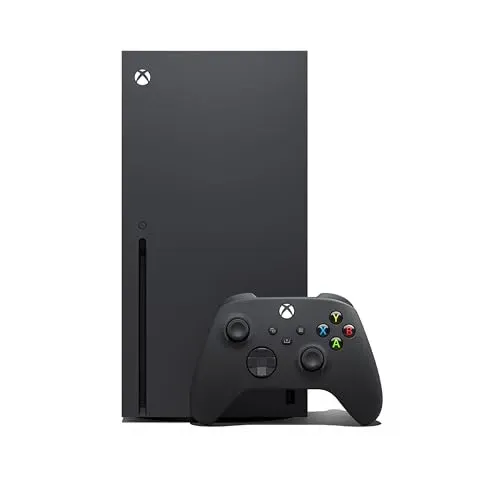
Price: $798.00 Rating: 4.7/5 Best For: 4K Gaming Enthusiasts Check Price on Amazon
There's a reason Microsoft calls this the most powerful Xbox ever. Twelve teraflops of GPU, a custom 1TB NVMe SSD, and the Xbox Velocity Architecture combine to deliver true 4K at 120 FPS, and it actually hits those numbers in optimized titles. Quick Resume lets you bounce between three or four games without a loading screen. At $798, it's priced above the PS5 Digital (#2) but below the Steam Deck OLED (#7). The real differentiator is Game Pass: hundreds of games, day-one releases, and cloud streaming, all wrapped into a subscription. If raw horsepower and backward compatibility across four Xbox generations matter more to you than exclusive titles, the Series X is your console.
Pros
- 12 TFLOPS RDNA 2 GPU with hardware-accelerated ray tracing
- 1TB custom NVMe SSD with Xbox Velocity Architecture
- True 4K gaming at up to 120 FPS
- Quick Resume to switch between multiple games instantly
- Backward compatible across four Xbox generations
Cons
- $798 is the highest traditional console price on this list
- Large physical footprint won't fit in tight media cabinets
- Game Pass requires a separate paid subscription to unlock its value
Verdict: Buy the Series X if you want maximum console horsepower and 4K performance. It's the best pick for Game Pass subscribers who play across generations. Skip it if you prefer Sony's exclusives. Grab the PS5 Digital (#2) instead.
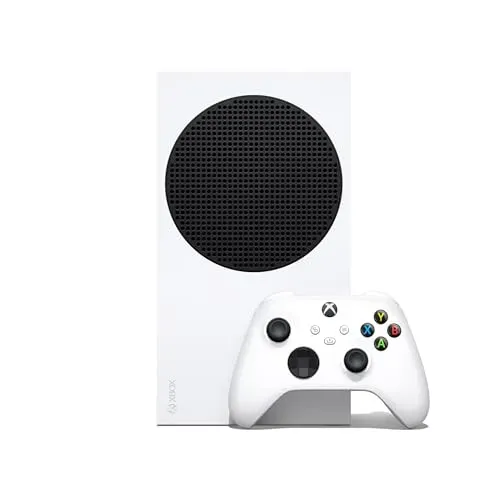
#5. Xbox Series S - 512GB All Digital Console
Next-gen speed at a price that doesn't require a payment plan.
Price: $498.00 Rating: 4.7/5 Best For: Budget Console Gamers Check Price on Amazon
Here's the thing about the Series S: it does roughly 80% of what the Series X (#4) does for about 60% of the price. You give up the disc drive, native 4K resolution, and half the storage. What you keep is the same Velocity Architecture, the same Quick Resume, the same 120 FPS capability at 1440p, and full access to Game Pass. For $498, that's a serious value proposition. The 512GB SSD fills up fast if you play Call of Duty and other storage hogs, so plan on managing your installs or grabbing an expansion card. But as an entry point into the Xbox ecosystem, nothing touches it. Think of it as Microsoft's equivalent to the Switch Lite (#1): affordable, focused, and more capable than the price suggests.
Pros
- Up to 120 FPS gameplay at 1440p resolution
- 512GB custom NVMe SSD with fast load times
- Quick Resume for switching between multiple titles
- Backward compatible across four Xbox generations
- Compact all-digital design, the smallest Xbox ever
Cons
- 512GB fills up after a handful of AAA titles
- Disc-based backward compatible games are unplayable here
- 1440p max resolution with no native 4K output
Verdict: The smartest way into the Xbox ecosystem if you're on a budget. Buy it for Game Pass and 120 FPS gaming without the Series X price. Skip it if you have a 4K TV and want every pixel. That's what the Series X (#4) is for.
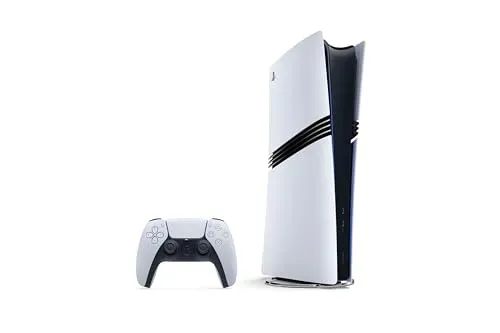
#6. PlayStation 5 Pro Console - 2TB
Sony's no-compromise powerhouse with double the storage of the standard PS5.
Price: $699.00 Rating: 4.7/5 Best For: Enthusiast Gamers Check Price on Amazon
The PS5 Pro is Sony's flex. Two terabytes of storage out of the box. An RDNA 3 GPU. At $699, it sits $100 above the Digital Edition (#2), and the question isn't whether it's better. It demonstrably is. The question is whether you'll notice the difference. On a quality 4K TV with 120Hz support? Absolutely. The Pro targets the enthusiast who notices shadow quality, frame pacing, and texture detail in a way casual players simply don't. It doubles the storage of the standard PS5, which matters more than you'd think once your library crosses a dozen games. If you want the best PlayStation Sony has ever made, this is it.
Pros
- 2TB SSD, double the standard PS5 storage
- AI-enhanced 4K upscaling for sharper visuals
- Advanced ray tracing with global illumination support
- Higher and more consistent frame rates at 60Hz and 120Hz
- Backward compatible with the full PS5 and PS4 library
Cons
- $699 is a steep premium over the standard PS5
- Visual benefits vanish on anything less than a high-end 4K/120Hz TV
- Disc drive costs extra, and at this price that stings
Verdict: Buy the Pro if you own a high-end 4K TV and notice the difference between 60 and 120 FPS. Skip it if you're on a 1080p display or don't care about frame pacing. The Digital Edition (#2) saves you $100 and still delivers an outstanding PS5 experience.
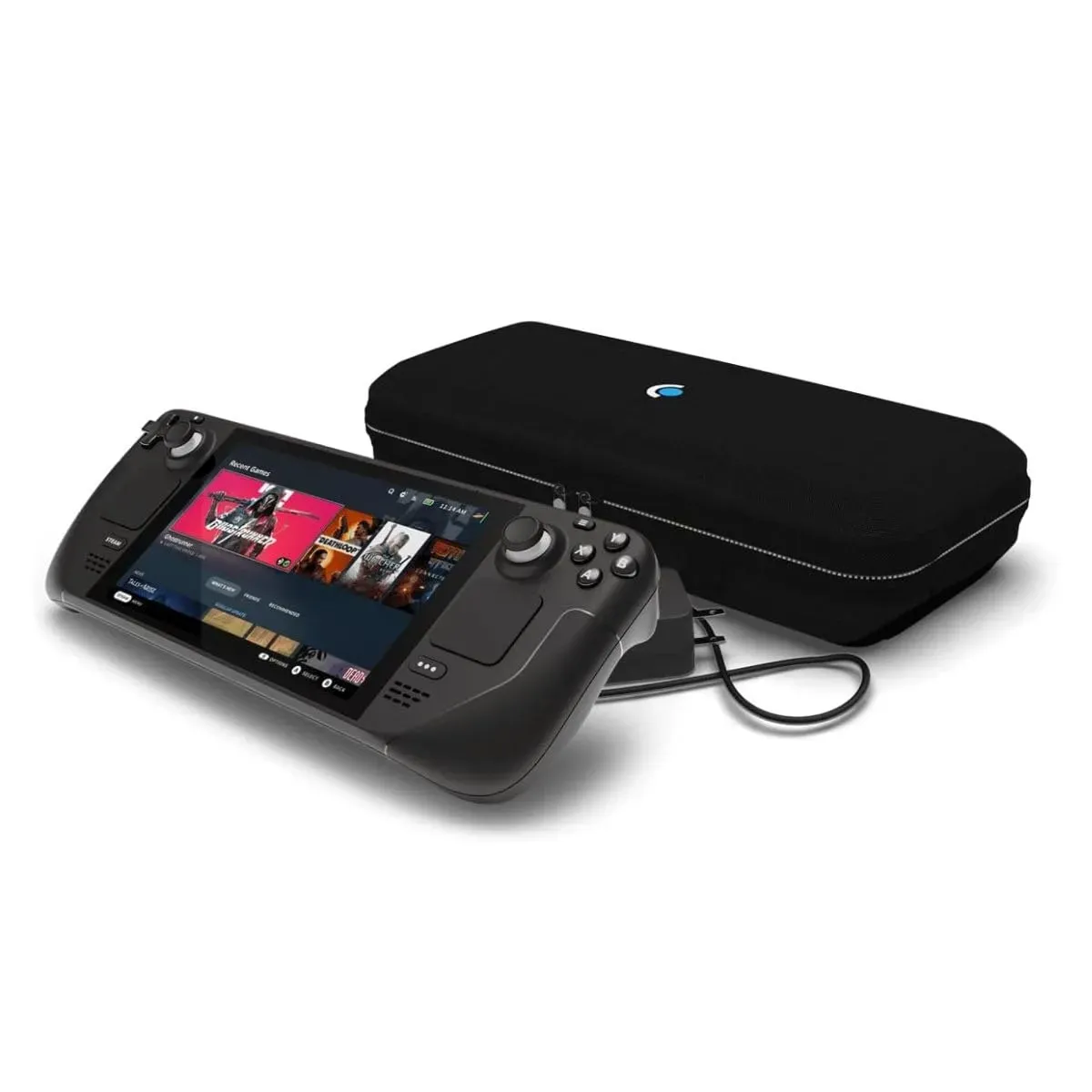
#7. Valve Steam Deck OLED 512GB Handheld Gaming Console
Your entire Steam library, on a 90Hz OLED screen.
Price: $849.98 Rating: 4.5/5 Best For: PC Handheld Gamers Check Price on Amazon
The Steam Deck OLED is what happens when Valve iterates. The original Deck was already the best handheld PC gaming device. The OLED model adds a 7.4-inch HDR display at 90Hz, better battery life, Wi-Fi 6E, and Bluetooth 5.3. At $850, it's the most expensive item on this list, pricier than the PS5 Pro (#6) and nearly four times the Switch Lite (#1). But the value proposition is unique: your entire Steam library, portable, with PC-level flexibility. You can install mods. You can run emulators. You can dock it to a monitor and use it as a desktop. No other device here offers that combination. For PC gamers who want their library untethered from a desk, nothing else comes close.
Pros
- 7.4-inch HDR OLED display at 90Hz refresh rate
- 512GB NVMe SSD with 16GB LPDDR5 RAM
- Wi-Fi 6E and Bluetooth 5.3 for fast downloads and accessory support
- Full Steam library access with PC-level flexibility
- Improved battery life over the original LCD model
Cons
- $850 makes it the most expensive device on this entire list
- Bulky and heavy compared to the Switch Lite or G Cloud
- Not every Steam game runs well, and you'll need to check compatibility first
Verdict: The definitive choice for PC gamers who want handheld freedom. Buy it if you already own a Steam library and value flexibility. Skip it if you want a lighter device or don't want to tinker. The Switch OLED (#3) is more plug-and-play.
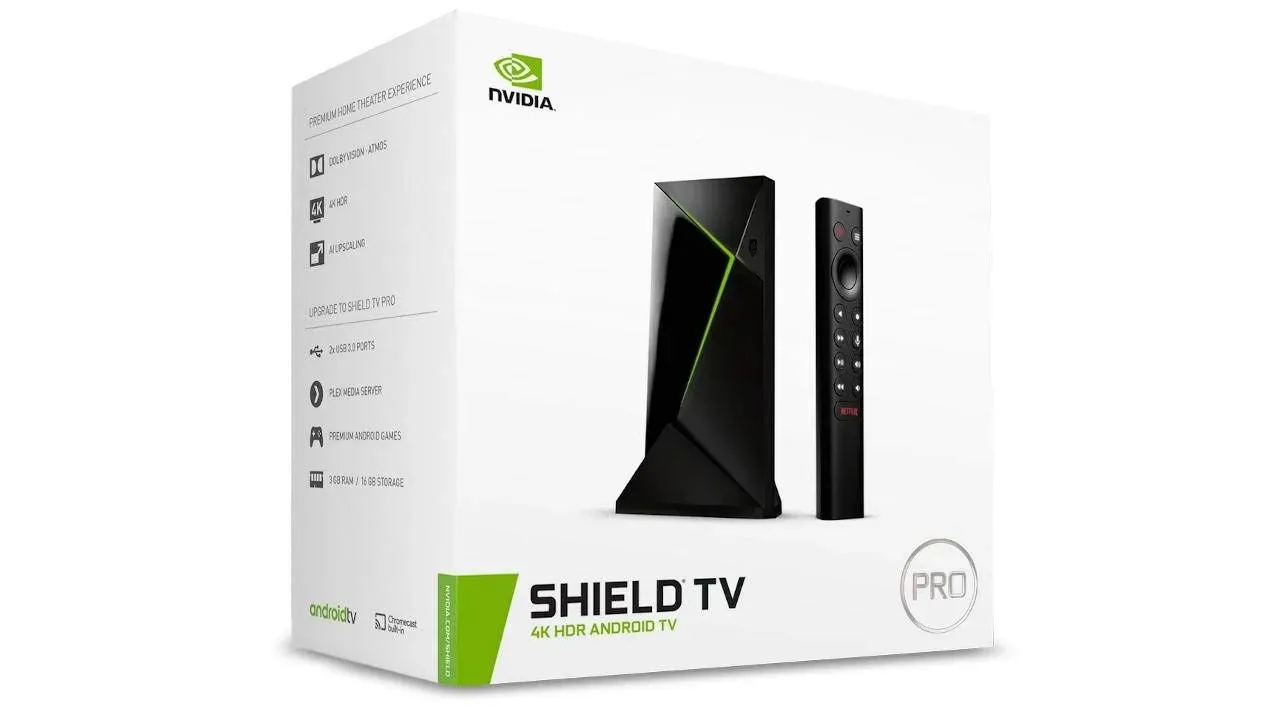
#8. NVIDIA Shield Android TV Pro 4K HDR Streaming Media Player
The best streaming box on the market, with cloud gaming on the side.
Price: $199.00 Rating: 4.4/5 Best For: Streaming and Casual Gaming Check Price on Amazon
Calling the Shield TV Pro a gaming console is only half right, but that half is surprisingly good. This is first and foremost the best Android TV streaming box money can buy, with 4K HDR, Dolby Vision, and Dolby Atmos support that puts most smart TV interfaces to shame. The gaming angle comes through GeForce NOW, which streams PC titles to your TV, and Android games via the Play Store. At $199 with a 4.4 rating from over 13,500 reviews, it's tied with the Logitech G Cloud (#9) as the cheapest device on this list. It won't replace a PS5 or Series X. But as a secondary device for casual gaming, emulation, and premium streaming, it occupies a lane nothing else fills.
Pros
- Tegra X1+ processor with 3GB RAM
- 4K HDR with Dolby Vision and Dolby Atmos support
- GeForce NOW cloud gaming for PC titles on your TV
- Google Assistant built-in with voice control
- Dual USB-A ports and Gigabit Ethernet for media server setups
Cons
- No gaming controller included in the box, so budget extra for one
- 8GB internal storage is tiny. You'll need an external drive for media
- Gaming is limited to streaming and Android titles only
Verdict: Buy the Shield TV Pro if you want the best streaming experience with casual cloud gaming as a bonus. Skip it as a primary gaming device. It complements a console. It doesn't replace one.
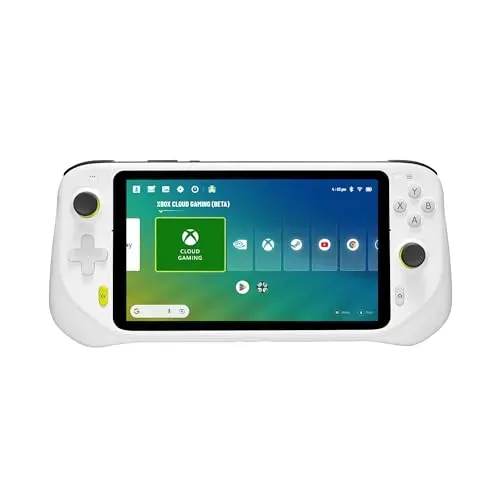
#9. Logitech G Cloud Gaming Handheld Portable Console
Twelve hours of battery life and access to every AAA game you can stream.
Price: $199.00 Rating: 4.3/5 Best For: Cloud Gaming Streamers Check Price on Amazon
Twelve hours. That's the G Cloud's battery life, and it's roughly triple what any native gaming handheld on this list can manage. The tradeoff: this isn't a standalone console. It streams games from the cloud through Xbox Cloud Gaming, GeForce NOW, and Steam Link, and it needs solid Wi-Fi to function. At 463 grams with a 7-inch 1080p screen, it's lighter than the Steam Deck (#7) and more comfortable for marathon sessions. The $199 price matches the Shield TV Pro (#8) but delivers a dedicated handheld form factor. If your gaming happens at home on fast internet and you value comfort and endurance over raw horsepower, the G Cloud carves out a niche no other device fills.
Pros
- 12+ hour battery life, triple most native handhelds
- Lightweight 463g design for all-day comfort
- 7-inch Full HD 1080p touchscreen at 60Hz
- Xbox Cloud Gaming, NVIDIA GeForce NOW, and Steam Link support
- Optimized Wi-Fi radio supporting up to 800+ Mbps
Cons
- No offline native game processing. Spotty Wi-Fi means no gaming at all
- Cloud gaming subscriptions add ongoing monthly costs
- 60Hz screen is fine for streaming but lags behind 90Hz+ competitors
Verdict: Buy the G Cloud if you primarily stream games and want all-day battery life in a lightweight package. Skip it if you need offline play or native game processing. The Steam Deck (#7) or Switch Lite (#1) handle that better.
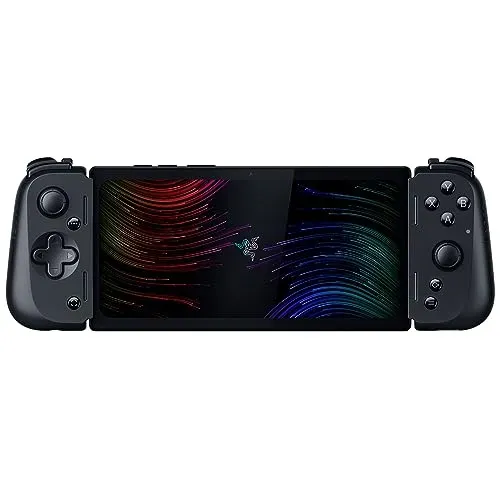
#10. Razer Edge WiFi Gaming Tablet
A 144Hz AMOLED screen in a handheld. That's the Razer Edge's party trick.
Price: $250.00 Rating: 4.1/5 Best For: Android and Emulation Gamers Check Price on Amazon
The Razer Edge has a spec that sounds made up: a 6.8-inch 144Hz AMOLED display in a handheld. That refresh rate (higher than most gaming monitors) is paired with an active-cooled Snapdragon G3x Gen 1 chip and the included Kishi V2 Pro controller with HyperSense haptics. At $250, it undercuts the Steam Deck (#7) by $600 while carving out an entirely different lane: Android gaming, cloud streaming, and retro emulation through the Razer Nexus launcher. The 4.1 rating reflects a narrower audience. This isn't for everyone. But if you play Genshin Impact, emulated classics, or Xbox Cloud titles and want the smoothest screen in handheld gaming, the Edge makes a surprisingly strong case for itself.
Pros
- 6.8-inch 144Hz AMOLED FHD+ display, highest refresh rate in any handheld here
- Snapdragon G3x Gen 1 with active cooling for sustained performance
- Razer Kishi V2 Pro with microswitch buttons and HyperSense haptics
- Android gaming, cloud streaming, and retro emulation support
- Razer Nexus launcher for unified game management
Cons
- Niche appeal. This complements a main console rather than replacing one
- Smaller 6.8-inch screen vs. the Steam Deck's 7.4-inch or G Cloud's 7-inch
- Android game library is shallower than PC or console ecosystems
Verdict: Buy the Razer Edge if you're deep into Android gaming or emulation and want the smoothest screen available. Skip it if you want a general-purpose handheld. The Switch Lite (#1) or Steam Deck (#7) offer broader game libraries.
How to choose the best gaming consoles in 2026
The console market in 2026 is more varied than it's ever been. Traditional living-room powerhouses sit alongside handheld-only devices, cloud streamers, and PC handhelds, all competing for the same dollar. Here's how to cut through the noise and find the right one.
Resolution and frame rate come first
Start with the screen you're plugging into. If you own a 4K TV, you'll want a console that can push those pixels. The Xbox Series X (#4) and PS5 Pro (#6) are your top candidates, delivering 4K at up to 120 FPS. For 1080p or 1440p displays, the Xbox Series S (#5) and Switch OLED (#3) make more sense. Storage matters more than most buyers realize: a 512GB drive fills up after five or six AAA titles, which is why the PS5 Pro's 2TB and the Switch OLED's 64GB sit at opposite ends of the practicality spectrum. For handhelds, screen quality and battery life are the specs that define the experience. The Steam Deck OLED's 90Hz HDR panel and the G Cloud's 12-hour endurance represent two very different philosophies.
Price and satisfaction don't always correlate
The spread on this list runs from $199 to $850, and the top-rated console sits near the bottom of that range. The $228 Switch Lite (#1) outscores devices costing three times as much. That said, if you want 4K gaming, ray tracing, and high frame rates, budget $500 to $700. The Series S (#5) at $498 is the cheapest way into next-gen console gaming, while the PS5 Pro (#6) at $699 represents the enthusiast ceiling before you enter PC territory. Don't forget subscription costs: Game Pass and cloud gaming services add $10 to $17 monthly.
Handheld vs. home console is no longer binary
This used to be a simple choice. In 2026, it's a spectrum. The Switch Lite (#1) is handheld-only. The Switch OLED (#3) does both. The Steam Deck (#7) is a handheld that docks to a monitor. The Shield TV Pro (#8) is a home device that streams gaming content. Your answer depends on where you actually play. Commuters and couch gamers who share a TV will gravitate toward handhelds. Solo gamers with a dedicated 4K setup should look at the Series X (#4) or PS5 Pro (#6).
Pick the ecosystem, then pick the console
Nintendo, Sony, and Microsoft dominate this list because their platforms have years of refinement behind them. The Switch Lite's 59,000+ reviews and the PS5 Digital's 5,700+ reviews at 4.8 stars weren't earned overnight. Valve's Steam Deck is newer but backed by the world's largest PC game store. When evaluating gaming consoles, look beyond the hardware to the game library you're buying into. Nintendo locks you into first-party exclusives like Zelda and Mario. Xbox ties everything to Game Pass value. PlayStation offers prestige single-player experiences. Pick the ecosystem, then pick the console within it.
Frequently asked questions
What are the best gaming consoles to buy in 2026?
The Nintendo Switch Lite (#1) leads the pack for handheld gamers, while the PS5 Digital Edition (#2) and Xbox Series X (#4) dominate living-room gaming. The right pick depends entirely on where and how you play: handheld, TV, or both.
Are gaming consoles worth it in 2026?
Yes. Consoles like the Xbox Series S (#5) deliver next-gen gaming at $498, while services like Game Pass provide access to hundreds of titles for a monthly fee. Compared to building an equivalent gaming PC, consoles remain the most cost-effective way to play current-generation games at high fidelity.
What's the best gaming console for families?
The Nintendo Switch OLED (#3) is the best family console. It supports local multiplayer right out of the box with two included Joy-Cons, docks to the TV for group play, and has the deepest catalog of family-friendly games. For households with multiple gamers, its hybrid design means nobody fights over the TV.
How long do gaming consoles typically last?
Modern consoles are built for 5 to 7 years of active use, with some lasting much longer. Nintendo's Switch platform has been going strong since 2017, and the Xbox Series X and PS5 families launched in 2020 and are still receiving major releases. The key longevity factor is the manufacturer's support cycle. Nintendo, Sony, and Microsoft all have strong track records here.
Should I buy a digital-only or disc-based console?
Digital-only consoles like the PS5 Digital Edition (#2) and Xbox Series S (#5) are cheaper upfront and more convenient. But you give up the ability to buy used games, sell your old titles, or play borrowed discs. If you rarely buy physical media and have fast internet, go digital. If you like hunting for deals on used discs or sharing games with friends, get a disc-drive model.
Final verdict
If there's one takeaway from this list of the best gaming consoles 2026 has to offer, it's that the right console isn't about raw specs. It's about fit. The Nintendo Switch Lite (#1) wins on sheer satisfaction, delivering the most fun-per-dollar of any gaming device available. The PS5 Digital Edition (#2) is the smartest living-room pick for digital buyers who want Sony's best without the bloat. And the Switch OLED (#3) is the definitive hybrid: gorgeous handheld screen, TV docking, and Nintendo's unbeatable game library all in one. Every console on this list earned its place. Prices shift, but any of these ten will serve you well. Check current prices on Amazon and lock in your pick.