Top 10 Best Digital Cameras of 2026: Ranked & Reviewed
From $537 to $3,400, we found cameras that'll make you leave your phone in your pocket. See which one ranked #1 and why the cult favorite barely cracked the top 10.
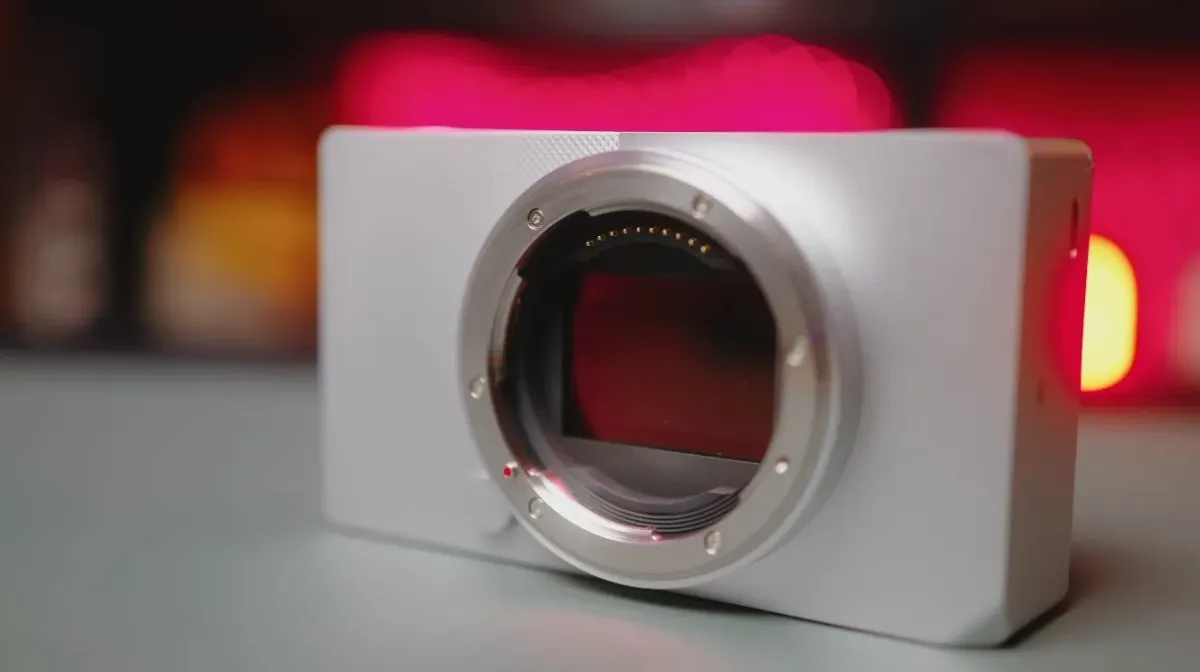
Smartphone cameras keep getting better, yet camera sales are climbing. That tells you everything about where photography is heading in 2026. People want more than computational convenience. They want glass, sensors, and creative control that phones simply can't replicate.
This list covers what best digital cameras 2026 actually means right now. From the Fujifilm X-T5's 40-megapixel sensor and analog dials to the DJI Osmo Pocket 3 fitting professional stabilization in your jeans, each pick is ranked on real-world performance, not spec-sheet bragging rights. Whether you're shooting weddings, wildlife, TikToks, or street scenes, there's a body here that fits your hands and your budget. Prices range from $537 to nearly $3,400, proving that "best" isn't code for "most expensive."
Quick Comparison Table
| # | Product | Price | Rating | |
|---|---|---|---|---|
| #1 | Fujifilm X-T5 | $1,899.00 | 4.8/5 | View Deal |
| #2 | Sony Alpha 7 V | $2,898 | 4.8/5 | View Deal |
| #3 | Canon EOS R6 Mark II | $1,999 | 4.7/5 | View Deal |
| #4 | Nikon Z8 | $3,396.95 | 4.6/5 | View Deal |
| #5 | Sony Alpha 6700 | $1,398 | 4.6/5 | View Deal |
| #6 | Canon EOS R7 | $1,449 | 4.7/5 | View Deal |
| #7 | DJI Osmo Pocket 3 | $537.00 | 4.6/5 | View Deal |
| #8 | Nikon Z5 II | $1,300.00 | 4.8/5 | View Deal |
| #9 | Panasonic LUMIX S5IIX | $1,500.00 | 4.8/5 | View Deal |
| #10 | Fujifilm X100VI | $2,329.95 | 4.5/5 | View Deal |
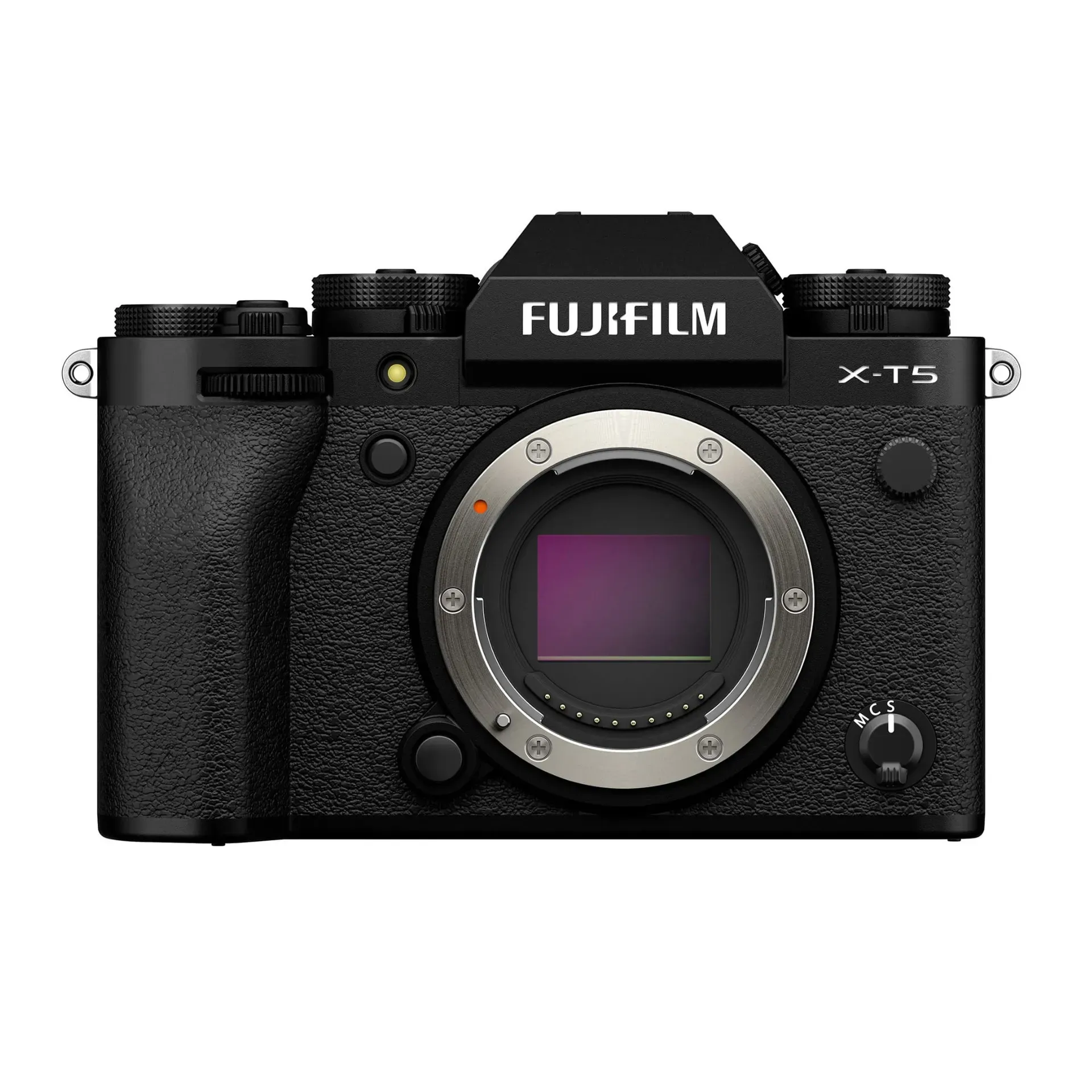
#1. Fujifilm X-T5 Mirrorless Digital Camera Body - Black
The photography purist's dream: 40MP resolution with analog dials that put you back in control.
Price: $1,899.00 Rating: 4.8/5 Best For: Photography Purists Check Price on Amazon
Physical dials shouldn't feel revolutionary in 2026, yet here we are. The X-T5 delivers that rare shooting experience where every adjustment happens by touch. ISO, shutter speed, exposure comp. All without diving into menus. Its 40.2MP sensor outresolves every APS-C competitor including the Canon R7 (#6) and Sony 6700 (#5), while the 7-stop stabilization lets you hand-hold shots that would require tripods on lesser bodies. At $1,899, it undercuts full-frame rivals like the Sony A7V (#2) by a thousand dollars while delivering comparable image quality for most applications.
Pros
- 40.2MP X-Trans 5 HR CMOS sensor with X-Processor 5
- 7-stop in-body image stabilization
- 160MP Pixel Shift Multi-Shot mode
- 6.2K/30p 4:2:2 10-bit video
- Classic analog-style control dials
Cons
- APS-C sensor limits low-light vs full-frame alternatives
- Menu system remains complex for newcomers
Verdict: Perfect for photography purists who prioritize tactile controls and image quality over video features. Skip if you need the absolute best autofocus tracking for sports.
#2. Sony Alpha 7 V Full-Frame Hybrid Mirrorless Camera
Sony's most advanced hybrid shooter with AI autofocus that tracks subjects even when they turn away.
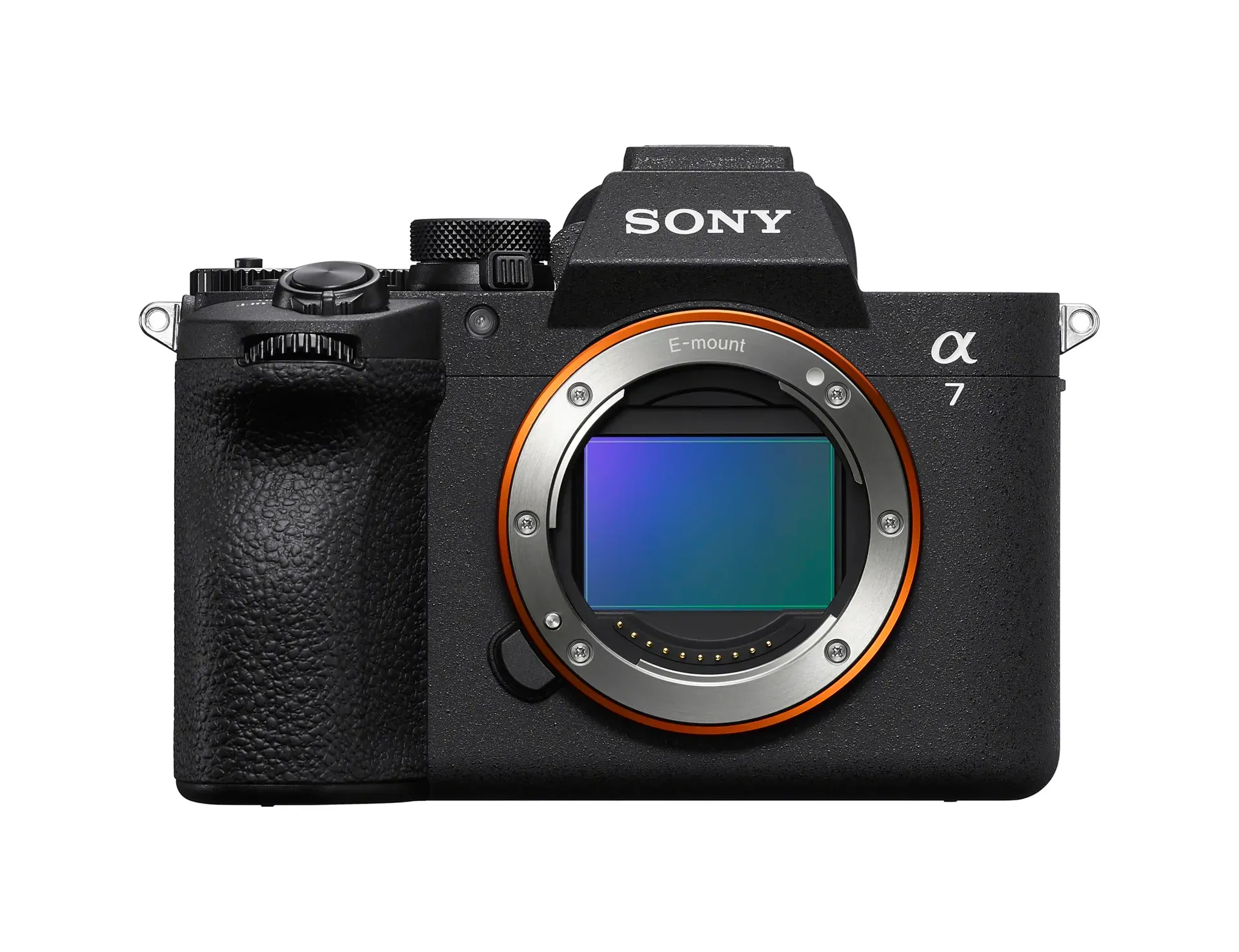
Price: $2,898 Rating: 4.8/5 Best For: Professional Hybrid Shooters Check Price on Amazon
Sony's partially-stacked sensor technology finally bridges the gap between speed and resolution. The A7V captures 30fps bursts without viewfinder blackout. A feature that puts it leagues ahead of the Canon R6 Mark II's (#3) 40fps electronic shutter for tracking fast subjects. That 16-stop dynamic range bests even the Nikon Z8 (#4) for landscape photographers pushing shadows in post. The AI-driven autofocus uses human pose estimation to track athletes and dancers even when they spin away from the camera, solving the "back-of-head" focus problem that plagued earlier generations.
Pros
- 33MP partially-stacked Exmor RS CMOS sensor
- 30fps blackout-free burst with AF/AE tracking
- 16 stops of dynamic range
- AI-based Real-time Recognition AF
- 7.5-stop 5-axis image stabilization
Cons
- $2,898 price pushes it into professional territory
- Menu system still dense despite improvements
Verdict: Ideal for professional hybrid shooters who need the absolute best autofocus and burst speed. Overkill for casual photographers.
#3. Canon EOS R6 Mark II Mirrorless Camera (Body Only)
The proven workhorse with 619 reviews. Professional features without the flagship price tag.
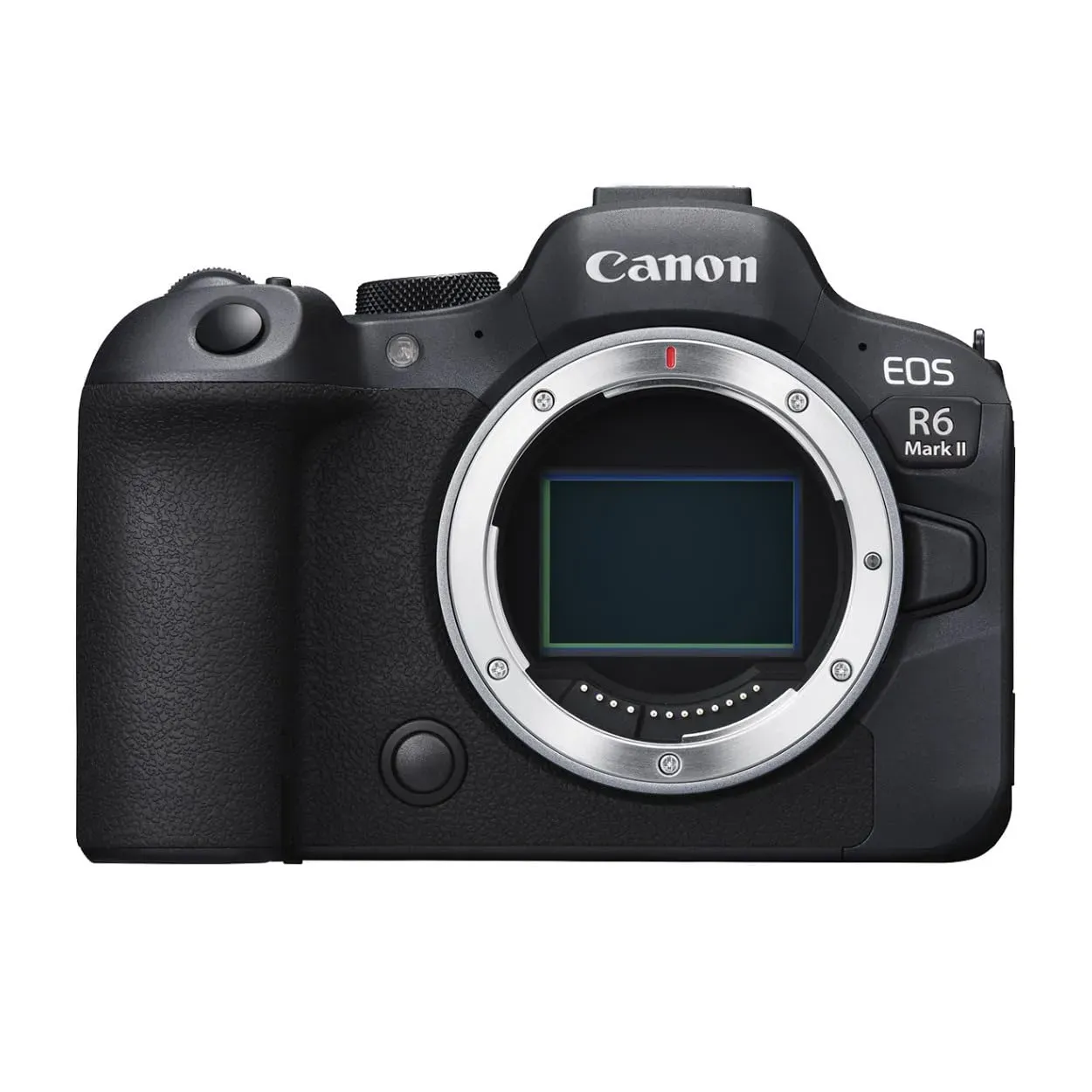
Price: $1,999 Rating: 4.7/5 Best For: Action and Hybrid Shooters Check Price on Amazon
Six hundred nineteen reviews don't lie. The R6 Mark II is the most battle-tested workhorse on this list, offering 90% of what the Sony A7V (#2) delivers at $900 less. Its 40fps electronic shutter matches speed demons like the Nikon Z8 (#4) for action work, while the Dual Pixel AF II covers nearly the entire frame with 1,053 zones. Enough precision to track a bird's eye through branches. The 8-stop stabilization rivals the X-T5 (#1) for low-light handheld shooting, and the 6K oversampled 4K video avoids the overheating issues that plagued Canon's earlier mirrorless attempts.
Pros
- 24.2MP full-frame CMOS sensor with DIGIC X
- 40fps electronic shutter / 12fps mechanical
- Dual Pixel CMOS AF II with 1053 AF points
- 8-stop in-body image stabilization
- 619 verified reviews (highest on this list)
Cons
- 24MP resolution lags behind 33-45MP competitors
- No 8K video recording capability
Verdict: The proven choice for action and hybrid shooters who want professional features without flagship pricing. Skip if you need maximum resolution for large prints.
#4. Nikon Z8 Professional Full-Frame Mirrorless Camera
Flagship specs at sub-flagship pricing: 8K video and 45MP resolution in a pro-grade body.
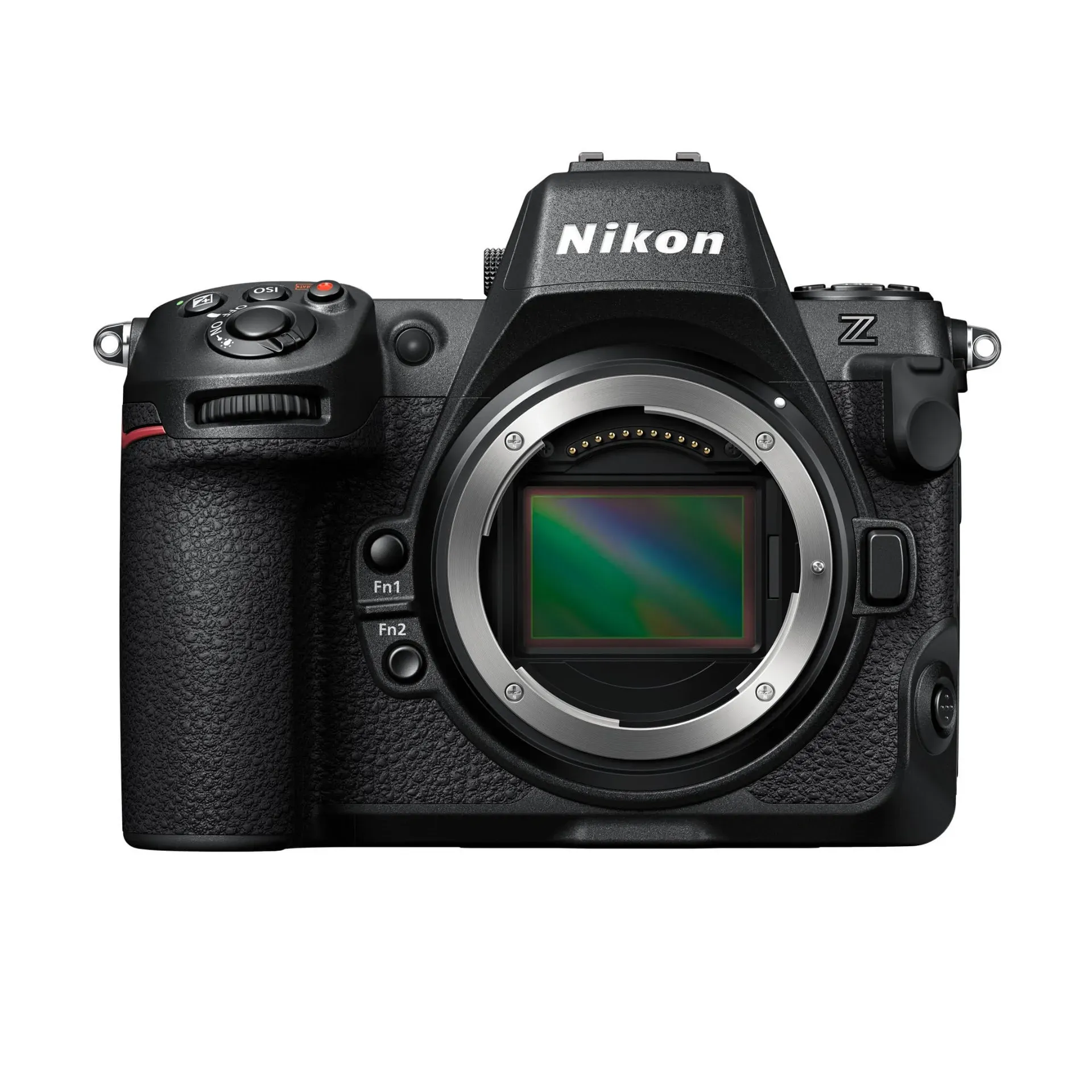
Price: $3,396.95 Rating: 4.6/5 Best For: Professional Hybrid Shooters Check Price on Amazon
Flagship specs in a sub-$3,500 body. That's the Z8's entire pitch. You're getting the same 45.7MP stacked sensor found in Nikon's $5,500 flagship, plus internal 8K/60p recording that the Canon R6 Mark II (#3) can't touch. The deep-learning AF detects nine subject types simultaneously, including trains and planes, making it the most comprehensive recognition system here. That 120fps burst mode outguns even the Sony A7V (#2) for capturing split-second action, though you'll fill memory cards fast. The 12-bit N-RAW and ProRes RAW options give colorists the latitude they need for professional delivery.
Pros
- 45.7MP stacked CMOS sensor
- 8K/60p and 4K/120p internal video
- Deep learning AF with -9 EV detection
- 12-bit N-RAW and ProRes RAW recording
- 120fps burst with full AF/AE tracking
Cons
- $3,396 price excludes hobbyist shooters
- Large file sizes demand expensive storage
Verdict: The ultimate tool for professionals who need extreme resolution and cinematic video. Skip if you don't need 8K or 45MP for your work.
#5. Sony Alpha 6700 APS-C Interchangeable Lens Camera
Pro video specs without full-frame bulk. The best digital camera for content creators on the move.
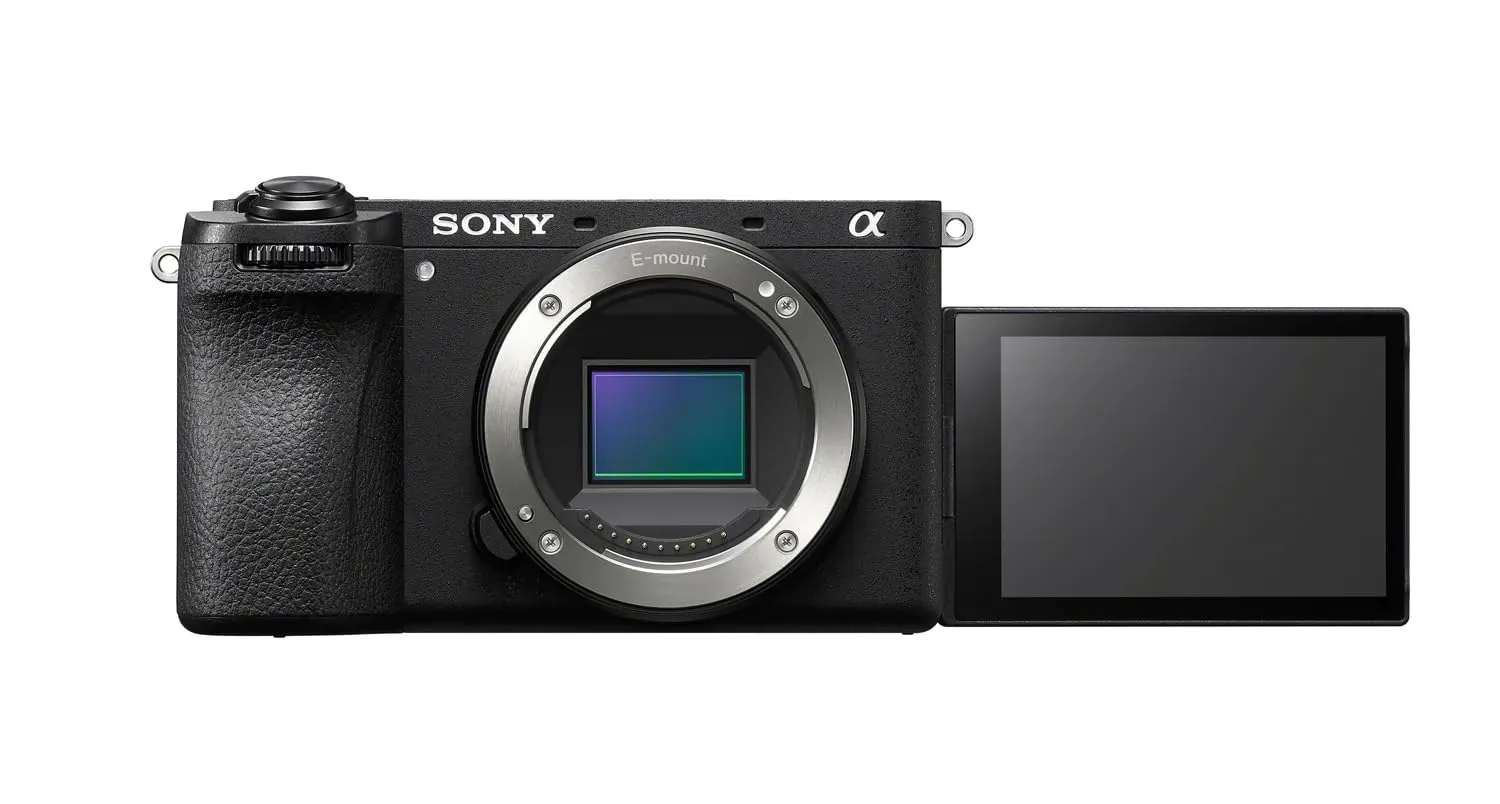
Price: $1,398 Rating: 4.6/5 Best For: Vloggers and Content Creators Check Price on Amazon
Vlogging with a full-frame camera is like commuting in a semi-truck. Possible, but miserable. The 6700 packs pro video specs into a body that won't destroy your shoulder during all-day shoots. Its dedicated AI chip delivers the same Real-time Recognition AF as the A7V (#2), tracking eyes even through masks or sunglasses, while 6K oversampled 4K matches the image quality of cameras costing twice as much. The 4K 120p slow-motion option is pure candy for B-roll, and 10-bit 4:2:2 recording gives you grading flexibility that the Canon R7 (#6) lacks.
Pros
- 26MP APS-C Exmor R BSI CMOS sensor
- Dedicated AI processing chip for AF
- 4K/60p 6K oversampled 10-bit 4:2:2
- 4K 120p high frame rate recording
- Compact body with deep ergonomic grip
Cons
- APS-C sensor limits depth of field control vs full-frame
- Smaller lens selection than Canon RF mount
Verdict: Perfect for vloggers and content creators who need pro video features in a travel-friendly package. Skip if you need shallow depth of field for portrait work.
#6. Canon EOS R7 Mirrorless Camera (Body Only)
RAW Burst Mode with pre-shooting captures the moment before you press the shutter.
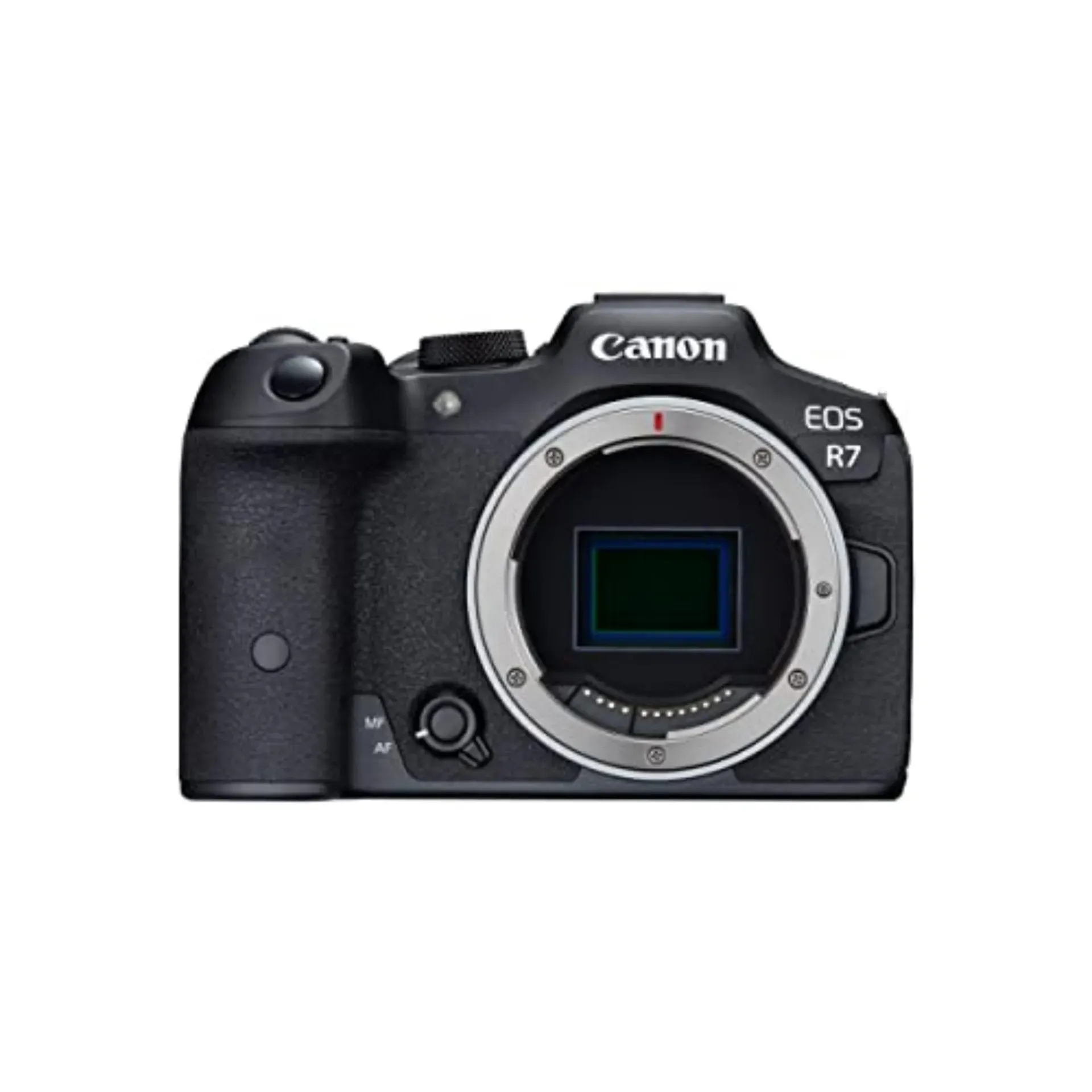
Price: $1,449 Rating: 4.7/5 Best For: Sports and Wildlife Enthusiasts Check Price on Amazon
Half-second pre-shooting changes everything. The R7's RAW Burst Mode captures the moment before you fully press the shutter, solving the eternal wildlife photographer's problem of reaction time. That 32.5MP sensor delivers more resolution than any APS-C competitor except the Fujifilm X-T5 (#1), while the 30fps electronic shutter matches the Nikon Z8 (#4) for speed. The 1.6x crop factor effectively turns a 400mm lens into 640mm, giving you reach that full-frame shooters pay thousands more to achieve. Dual Pixel CMOS AF II with 651 zones tracks birds in flight better than the Sony 6700 (#5).
Pros
- 32.5MP APS-C CMOS sensor
- 30fps electronic shutter / 15fps mechanical
- RAW Burst Mode with 0.5-second pre-shooting
- Dual Pixel CMOS AF II with 651 zones
- 5-axis IBIS with auto-level technology
Cons
- Smaller sensor struggles in extreme low light vs full-frame
- Limited native RF-S lens selection
Verdict: The top choice for sports and wildlife enthusiasts who need speed and telephoto reach. Skip if you primarily shoot portraits or landscapes.
#7. DJI Osmo Pocket 3 Creator Combo, 1'' CMOS, 4K/120fps Vlog Camera
Gimbal-stabilized 4K in your pocket. The ultimate run-and-gun camera for mobile creators.
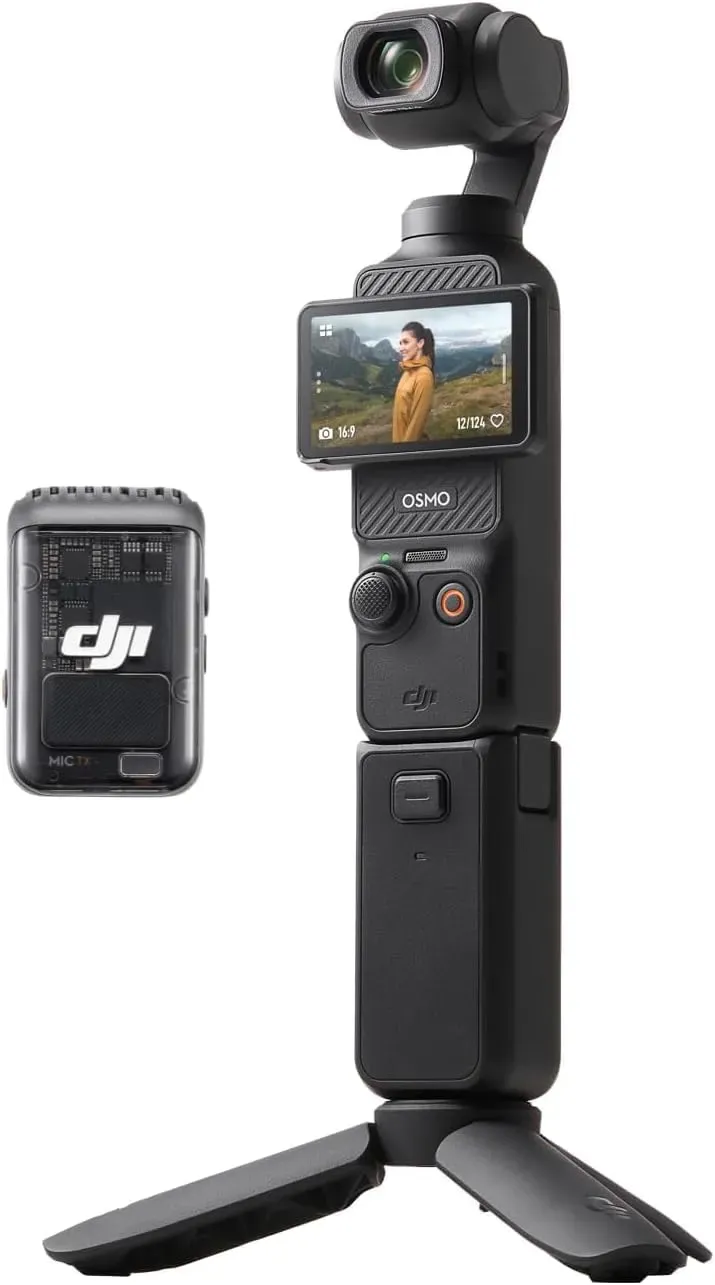
Price: $537.00 Rating: 4.6/5 Best For: Mobile Vloggers Check Price on Amazon
Professional footage from a device that fits in your pocket. No, seriously. The Osmo Pocket 3's 1-inch sensor and mechanical gimbal produce smoother walking shots than handheld full-frame cameras costing five times as much. Its rotatable screen instantly switches between horizontal and vertical shooting, something the Fujifilm X100VI (#10) can't do at all. ActiveTrack 6.0 keeps subjects locked even while running, and the 10-bit D-Log M profile records over a billion colors for serious color grading. At $537, it's cheaper than most smartphone flagships yet delivers cinematic quality that phones simply can't match.
Pros
- 1-inch CMOS sensor
- 4K/120fps recording capability
- 3-axis mechanical stabilization
- 2-inch rotatable touchscreen
- ActiveTrack 6.0 subject tracking
- 6,394 reviews (second-highest on list)
Cons
- Fixed battery limits recording time
- Small sensor struggles in low light vs larger cameras
Verdict: Essential for mobile vloggers and travel creators who prioritize portability. Skip if you need interchangeable lenses or professional stills quality.
#8. Nikon Z5 II Full-Frame Mirrorless Stills/Video Camera
Full-frame quality for $1,300. The most affordable entry point without compromise.
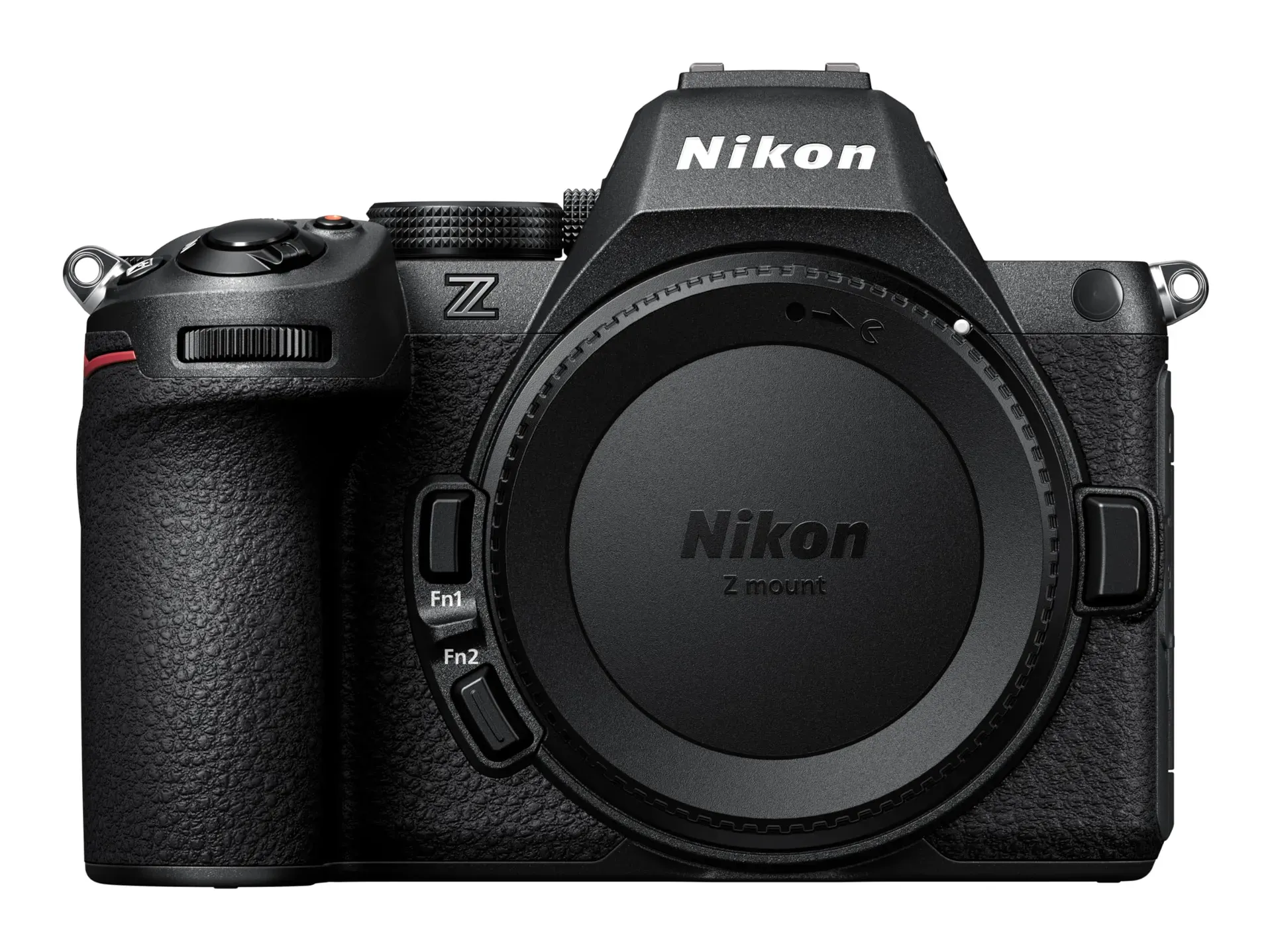
Price: $1,300.00 Rating: 4.8/5 Best For: Entry-Level Full-Frame Buyers Check Price on Amazon
Full-frame quality for APS-C money. The Z5 II demolishes the entry-level barrier. At $1,300, it undercuts the Sony 6700 (#5) and Canon R7 (#6) while delivering superior low-light performance thanks to its 24.5MP BSI sensor. The EXPEED 7 processor enables 30fps shooting. Unheard of at this price. And the -10 EV autofocus detection works in conditions where the X-T5 (#1) would hunt endlessly. That 3000-nit viewfinder is brighter than the Sony A7V's (#2), crucial for outdoor shooting. For photographers transitioning from phones or crop sensors, this is the most affordable path to professional image quality.
Pros
- 24.5MP BSI-CMOS FX-format sensor
- 30fps continuous shooting
- AF detection down to -10EV
- 7.5-stop in-body image stabilization
- 3.6M-dot OLED EVF at 3000 nits
- 4K/60p and 12-bit N-RAW recording
Cons
- Single SD card slot limits backup options
- Z-mount lens selection smaller than Canon/Sony
Verdict: The best entry-level full-frame option for beginners upgrading from smartphones or crop sensors. Skip if you need extreme burst speeds for action photography.
#9. Panasonic LUMIX S5IIX Mirrorless Camera, 24.2MP Full Frame
Unlimited recording with built-in cooling. The video creator's secret weapon.
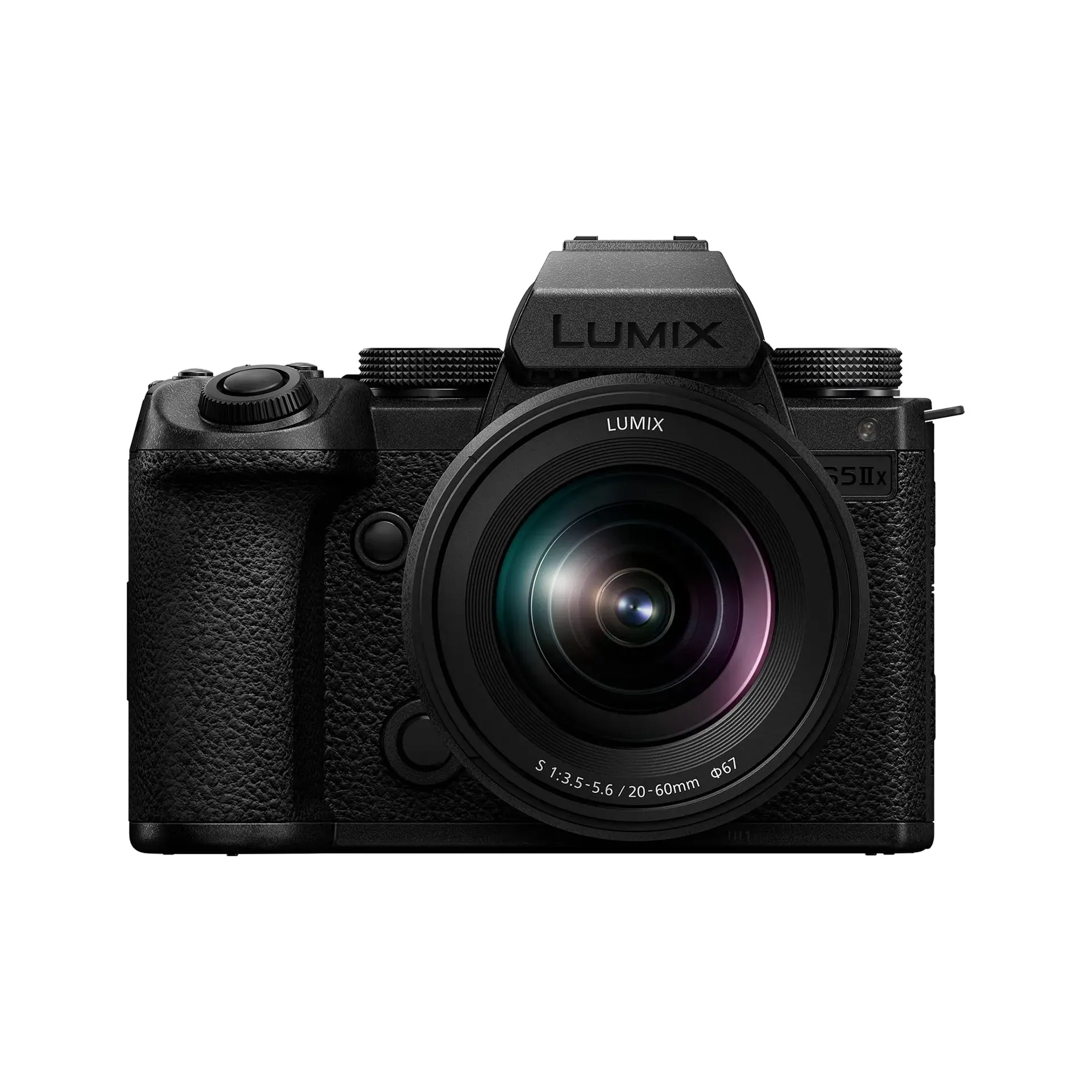
Price: $1,500.00 Rating: 4.8/5 Best For: Video-First Creators Check Price on Amazon
Video-first creators finally have a Panasonic that autofocuses properly. The S5IIX's Phase Hybrid AF eliminates the hunting issues that plagued earlier Lumix cameras, while the heat-dispersion fan enables unlimited 4:2:2 10-bit recording. Something the Sony A7V (#2) and Canon R6 Mark II (#3) can't match without overheating. Internal 5.8K ProRes and built-in IP streaming turn this into a broadcast studio you can hold, perfect for livestreamers who need professional quality. The 14+ stop V-Log profile provides more dynamic range than the Nikon Z5 II (#8), and Active I.S. delivers gimbal-smooth footage handheld.
Pros
- 5.8K ProRes internal recording
- Phase Hybrid Autofocus system
- Unlimited 4:2:2 10-bit internal capture
- Built-in IP streaming capability
- Fan-assisted heat dispersion
- 14+ stop V-Log/V-Gamut
Cons
- Autofocus still trails Sony/Canon for stills photography
- Heavier body than competitors
Verdict: The definitive choice for video-first creators and live streamers. Skip if you primarily shoot stills or need the lightest possible kit.
#10. Fujifilm X100VI Digital Camera - Silver
The cult-favorite compact that turns every outing into a photo walk.
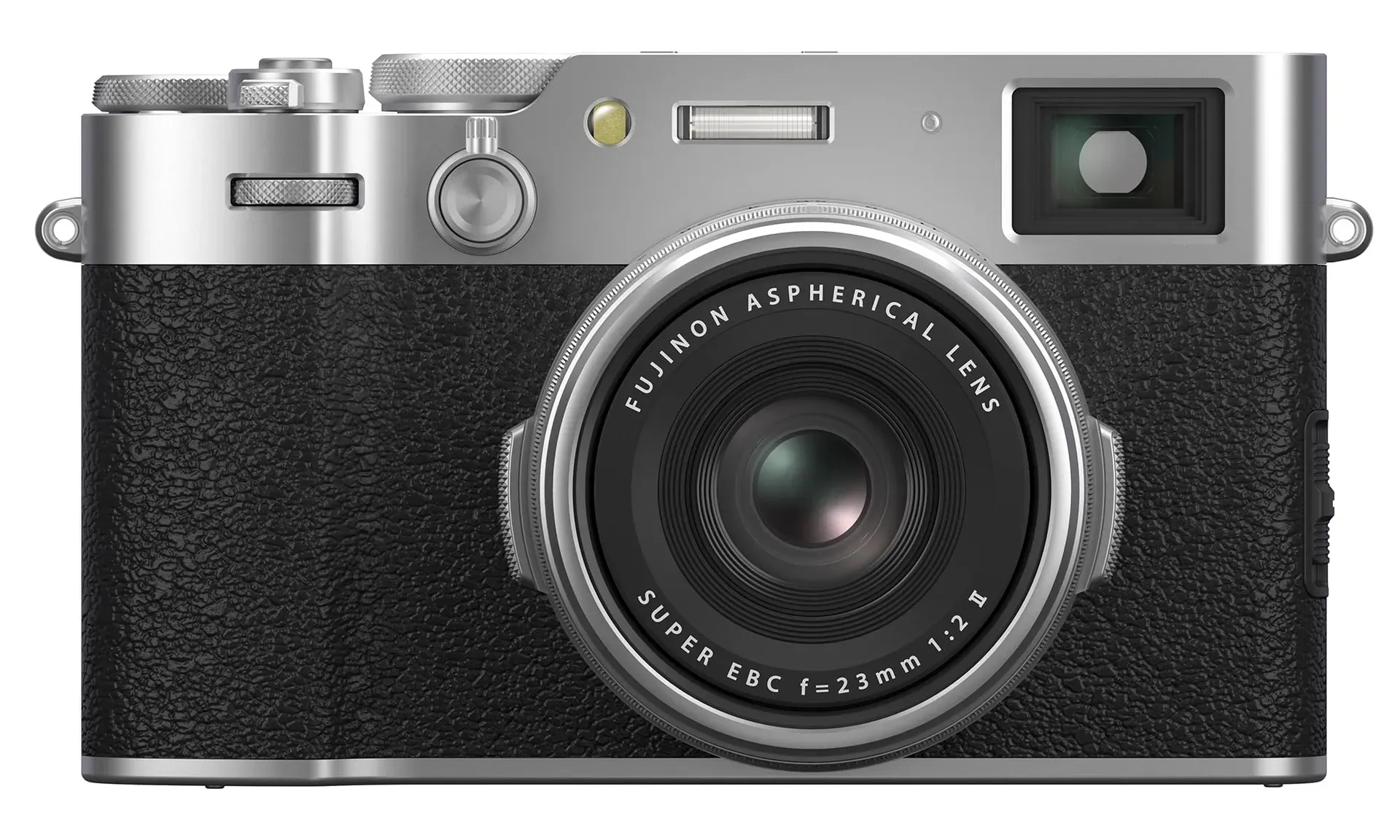
Price: $2,329.95 Rating: 4.5/5 Best For: Street Photography Enthusiasts Check Price on Amazon
Some cameras take pictures; the X100VI makes you want to take pictures. Its fixed 23mm f/2 lens and rangefinder styling turn every outing into a photo walk, while the 20 Film Simulation modes. Including the new REALA ACE. Deliver JPEGs that look like they came from a darkroom, not a sensor. The addition of 6-stop IBIS finally addresses the series' biggest weakness, allowing sharp handheld shots at slower speeds than the X-T5 (#1). Yes, it's $2,330 for a camera with one non-removable lens, but that constraint sparks creativity. The hybrid viewfinder and built-in ND filter are touches no other compact offers.
Pros
- 40.2MP X-Trans CMOS 5 HR sensor
- 6 stops in-body image stabilization
- 23mm f/2.0 fixed lens
- 20 Film Simulation modes including REALA ACE
- Hybrid optical/electronic viewfinder
- Built-in 4-stop ND filter
Cons
- Fixed lens limits versatility
- $2,330 price is steep for a compact camera
Verdict: The ultimate everyday carry for street photography enthusiasts. Skip if you need zoom versatility or shoot video professionally.
How to choose the best digital cameras 2026
Key specs to look for
Sensor size determines everything: depth of field, low-light performance, and lens selection. Full-frame sensors (Nikon Z5 II, Sony A7V, Canon R6 Mark II) gather more light and produce creamier backgrounds, but APS-C bodies (Fujifilm X-T5, Sony 6700, Canon R7) offer smaller footprints and lower costs. Resolution matters less than you'd think. 24MP is plenty for large prints, while 40MP+ (X-T5, Z8) benefits commercial work and heavy cropping.
For video creators, prioritize 10-bit 4:2:2 recording (all top-tier models here offer it) for color grading flexibility, and check for recording limits. The Panasonic S5IIX's unlimited recording beats cameras that overheat after 30 minutes. Stabilization is non-negotiable for handheld work. Look for 7+ stops of IBIS for sharp low-light shots without tripods.
Price vs. value: When to splurge
Entry-level full-frame starts at $1,300 (Nikon Z5 II) and delivers 90% of what $3,000+ cameras offer for still photography. Spend more if you need 8K video (Nikon Z8), blackout-free 30fps bursts (Sony A7V), or professional weather sealing for harsh environments.
APS-C cameras ($1,398-$1,899) represent the best value for enthusiasts who don't need extreme low-light performance. The Fujifilm X-T5 and Sony 6700 punch above their weight against full-frame competition. For casual content creation, the DJI Osmo Pocket 3 at $537 outperforms smartphones without the complexity of interchangeable lenses.
Brand reliability
Sony leads in autofocus technology and sensor innovation, evident in the A7V and 6700's AI-driven tracking. Canon's Dual Pixel AF II and color science dominate the professional hybrid market with the R6 Mark II and R7. Fujifilm owns the APS-C space with the X-T5 and X100VI, offering unique color profiles and tactile controls. Nikon's Z8 and Z5 II represent excellent value, while Panasonic's S5IIX is the videographer's choice. DJI carved out a new category entirely with the Pocket 3's gimbal-stabilized portability.
Frequently asked questions
What's the best digital camera for beginners 2026?
The Nikon Z5 II (#8) at $1,300 offers the easiest entry into full-frame photography without compromising features. Its automatic subject detection and bright viewfinder help new users nail focus, while the intuitive menu system is less intimidating than Sony's dense interface.
Are digital cameras still worth buying?
Absolutely. While smartphones excel at computational photography, they can't match the optical quality of dedicated lenses or the sensor size of cameras like the Fujifilm X-T5 (#1). For anyone serious about photography or content creation, dedicated cameras offer control, image quality, and creative flexibility that phones simply can't replicate.
Digital cameras vs mirrorless: What's the difference?
"Digital camera" is an umbrella term that includes DSLRs and mirrorless cameras. Mirrorless cameras (every model on this list) have replaced the optical mirror system with electronic viewfinders, enabling faster burst rates, better video features, and smaller bodies. DSLRs are essentially obsolete in 2026.
What's the best compact digital camera 2026?
The Fujifilm X100VI (#10) offers the best image quality in a truly pocketable form factor, while the DJI Osmo Pocket 3 (#7) is unbeatable for video-centric creators who need gimbal stabilization. Choose the X100VI for stills photography and the Pocket 3 for vlogging.
What digital cameras with flip screen are best for content creators?
The Sony Alpha 6700 (#5) and Panasonic Lumix S5IIX (#9) both feature fully articulating screens perfect for self-recording. The 6700's compact size and AI autofocus make it ideal for vloggers, while the S5IIX's unlimited recording time suits studio setups and live streaming.
Final verdict
The Fujifilm X-T5 (#1) remains the most compelling all-rounder for photography enthusiasts, combining 40MP resolution with tactile controls at a reasonable $1,899. Professional hybrid shooters should gravitate toward the Sony Alpha 7 V (#2) for its unmatched autofocus and burst speed, while budget-conscious buyers get 90% of that performance from the Canon EOS R6 Mark II (#3) at $900 less.
Content creators have distinct paths: the Sony 6700 (#5) for interchangeable lens flexibility, or the DJI Osmo Pocket 3 (#7) for ultimate portability. Every camera on this list delivers professional results in the right hands. The best digital camera 2026 is simply the one you'll actually carry and use. Check current prices on Amazon before buying, as deals fluctuate frequently.