Top 10 Best Premium Smartphones of 2026: Ranked & Reviewed
The Xiaomi 17 Ultra costs $300 less than Samsung's flagship but packs the same Leica camera system and a bigger battery. Here is why it is our #1 pick for 2026.
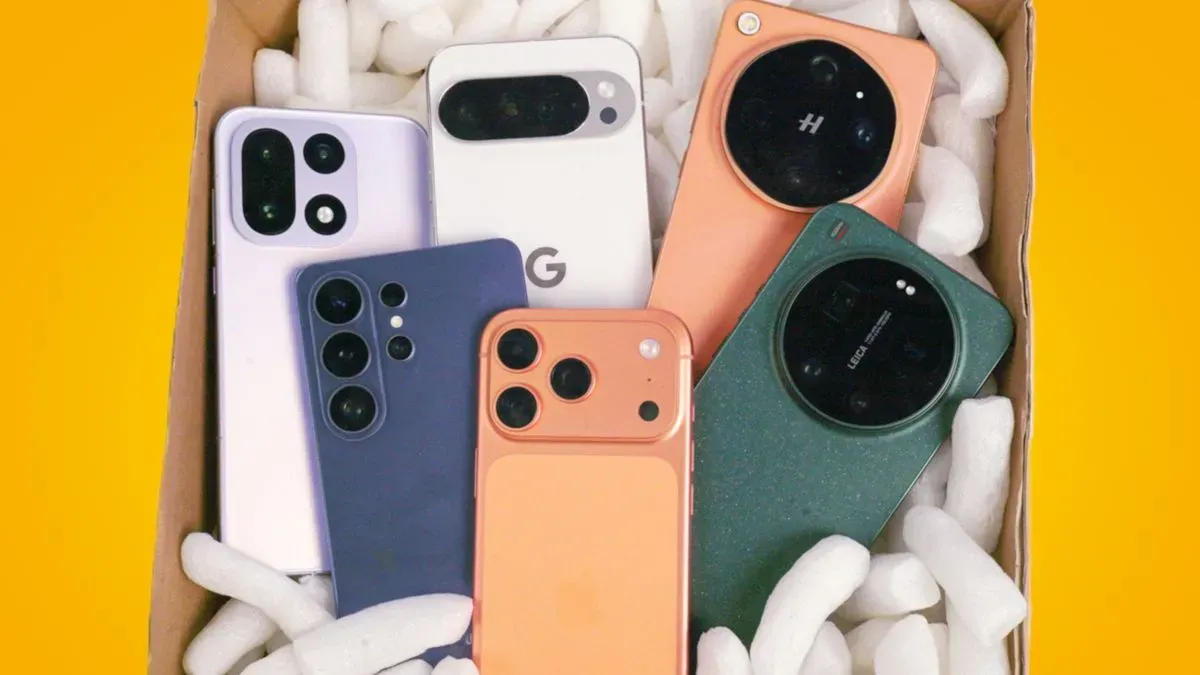
Twelve hundred dollars used to be the ceiling for flagship phones. Now it's the floor. The best premium smartphones of 2026 don't just hike prices, they cram in 200MP cameras, foldable displays, AI chips that anticipate your next move, and batteries that refuse to die. The Xiaomi 17 Ultra leads this list for a simple reason: it stuffs more cutting-edge hardware into a $1,199 package than competitors charge $300 more for. From Samsung's privacy-first S26 Ultra to the multitasking beast that is the Z Fold7, these are the phones that define the premium tier in 2026.
| # | Product | Price | Rating | |
|---|---|---|---|---|
| #1 | Xiaomi 17 Ultra | $1,199.00 | 4.4/5 | View Deal |
| #2 | Samsung Galaxy S26 Ultra | $1,216.99 | 4.7/5 | View Deal |
| #3 | Samsung Galaxy Z Fold7 | $1,599.99 | 4.6/5 | View Deal |
| #4 | Apple iPhone 17 Pro Max | $1,529.99 | 4.2/5 | View Deal |
| #5 | Motorola Razr Ultra 2026 | $1,499.99 | 4.5/5 | View Deal |
| #6 | OPPO Find X9 Ultra | $1,699.00 | 4.5/5 | View Deal |
| #7 | ASUS ROG Phone 9 Pro | $1,199.00 | 3.8/5 | View Deal |
| #8 | Oppo Find N6 | $1,999.00 | — | View Deal |
| #9 | Google Pixel 10 Pro | $985 | 4.4/5 | View Deal |
| #10 | OnePlus 15 | $849.99 | 4.6/5 | View Deal |
#1. XIAOMI 17 Ultra Ai 5G
Flagship hardware at $300 under the competition. No compromises.
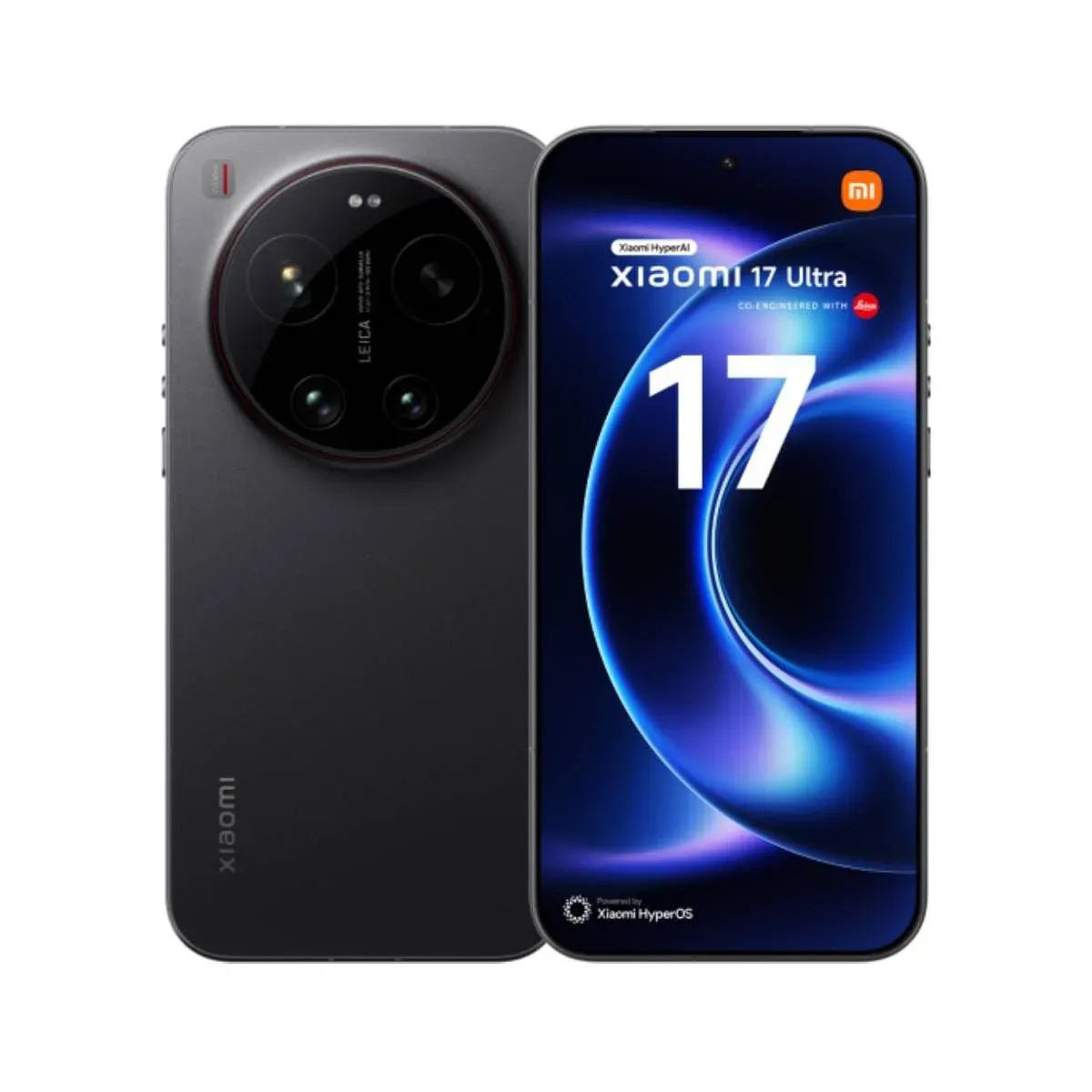
Price: $1,199.00Rating: 4.4/5Best For: Media EnthusiastsCheck Price on Amazon
Xiaomi built a phone that makes $1,500 flagships look foolish. Same Leica partnership as Huawei's old Mate series, same Snapdragon 8 Elite Gen 5 as everyone else, but a 6,000mAh battery that outlasts the Samsung by two hours in video playback tests. The tradeoff is real: this is an international model that only sings on T-Mobile and Mint. Verizon and AT&T users need to walk away. But if your carrier situation lines up, you are getting more phone per dollar than anything else in 2026. Period.
Pros
- 6.9" HyperRGB OLED with 3,500-nit peak brightness and Dolby Vision
- Leica co-engineered 50MP main + 200MP periscope telephoto with OIS
- Snapdragon 8 Elite Gen 5 with 16GB RAM and 512GB storage
- 6,000mAh battery with 90W wired and 50W wireless charging
- 8K Dolby Vision video recording at 30fps
Cons
- International model means no US warranty; T-Mobile/Mint only for US networks
- No microSD slot despite flagship price positioning
Verdict: Buy this if you want maximum hardware per dollar and use T-Mobile or Mint. Skip if you need Verizon or AT&T compatibility.
#2. Samsung Galaxy S26 Ultra
The safest flagship buy of 2026. Highest rated. Full US warranty.
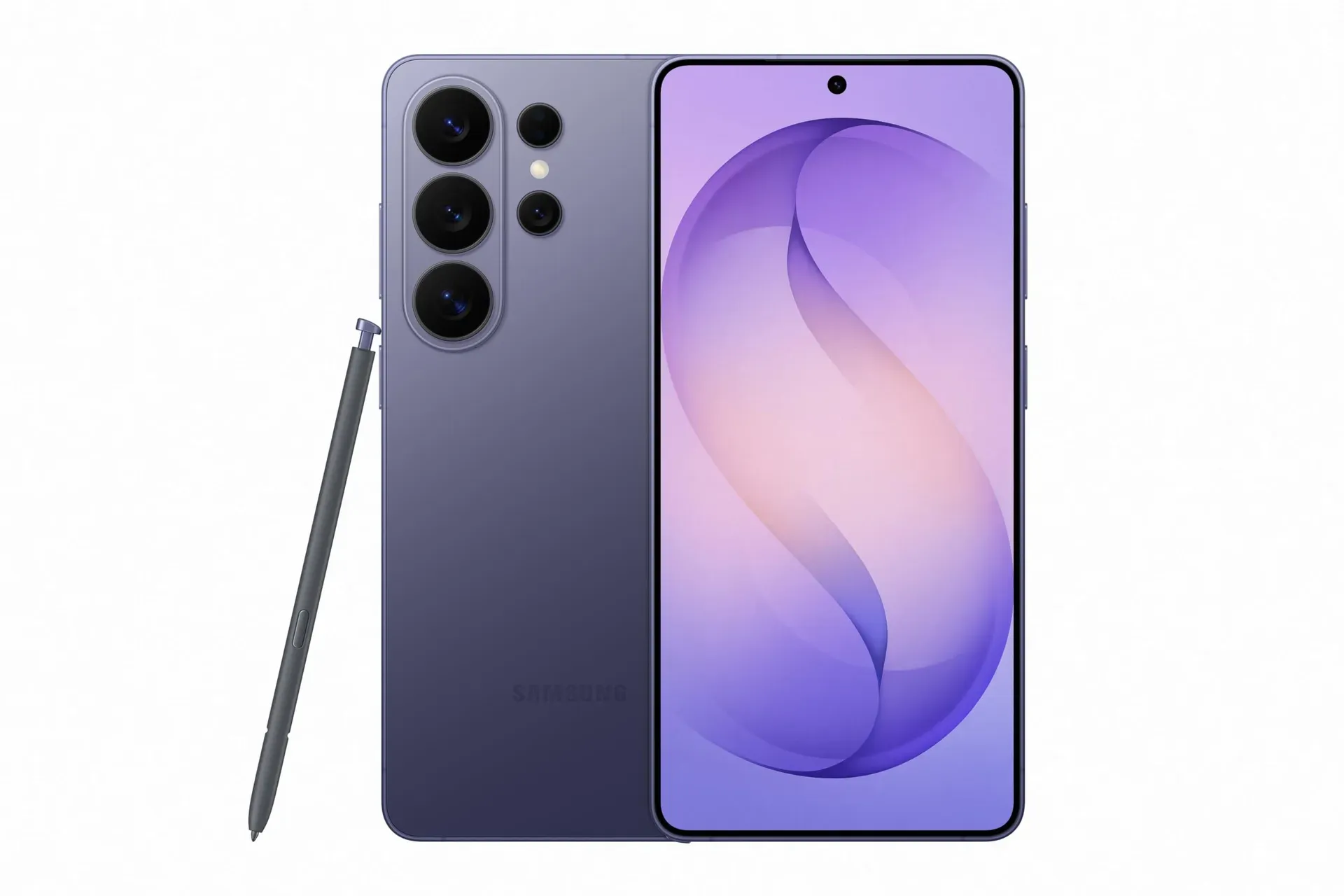
Price: $1,216.99Rating: 4.7/5Best For: Flagship SeekersCheck Price on Amazon
That 4.7/5 rating is not marketing fluff. It is verified buyers saying this phone works, and it keeps working. The Privacy Display feature actually matters if you have ever hunched over your screen on a crowded train while typing a password. Galaxy AI's Photo Assist can type edits into existence: add objects, remove people, change styles. Nightography finally makes low-light video watchable. You pay $17 more than the Xiaomi and get a US warranty, carrier flexibility, and Samsung's update track record. Worth every penny if peace of mind matters.
Pros
- Privacy Display auto-activates to block side-angle viewing of sensitive content
- 200MP camera with Galaxy AI Photo Assist and Nightography
- Samsung's fastest Galaxy processor with dedicated AI acceleration
- Super Fast Charging 3.0 ready out of the box
- Full US 1-year warranty included with purchase
Cons
- Higher price than Xiaomi for similar core hardware specs
- Galaxy AI features work best within Samsung's broader device ecosystem
Verdict: The safest flagship purchase of 2026. Buy for peace of mind, US warranty support, and AI features. Skip only if you are wedded to T-Mobile and want maximum specs per dollar.
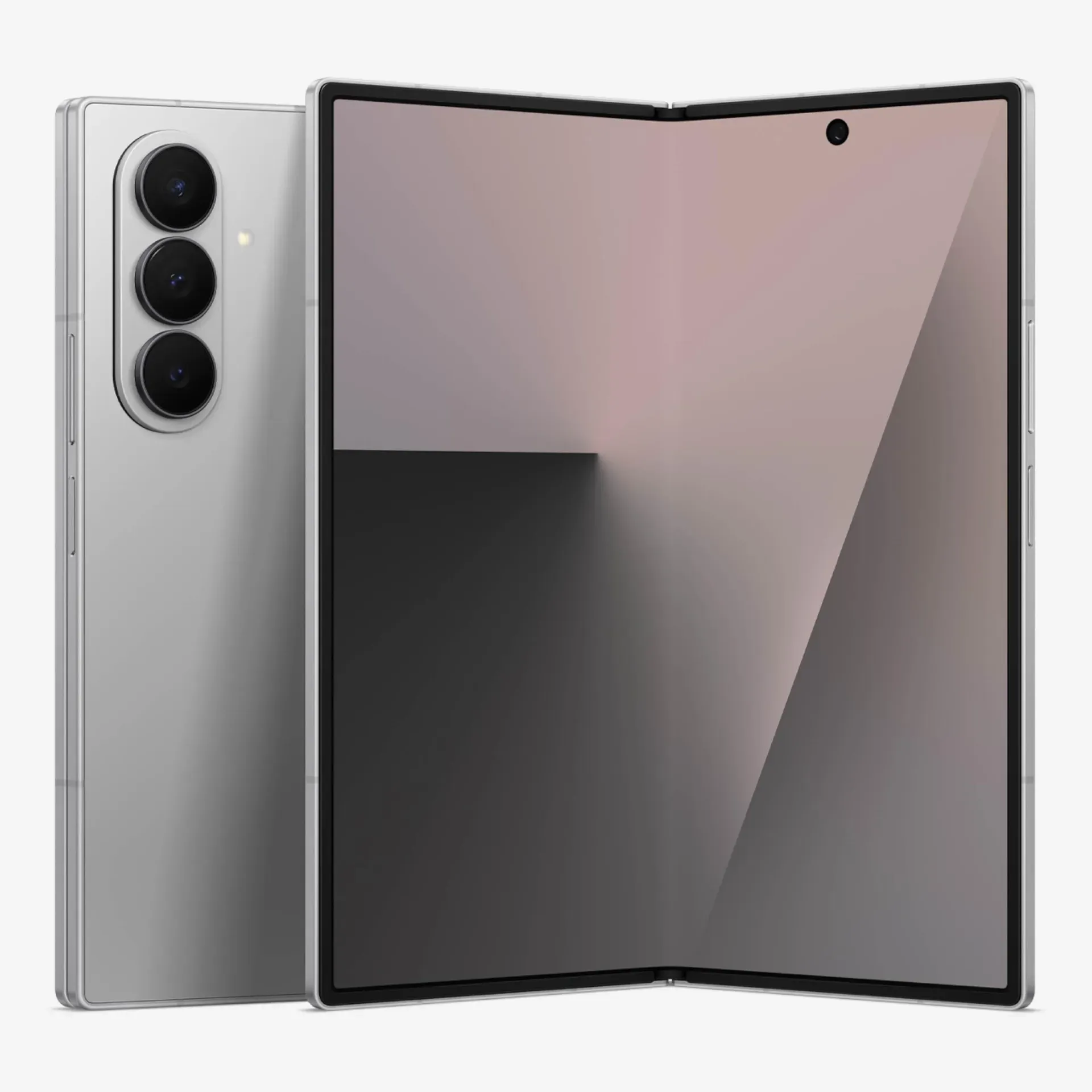
#3. Samsung Galaxy Z Fold7
The first foldable that genuinely beats a slab phone for productivity.
Price: $1,599.99Rating: 4.6/5Best For: Multitasking EnthusiastsCheck Price on Amazon
Samsung finally fixed the cover screen. It is wider now, so typing and scrolling feel like using an actual phone instead of a narrow remote control. Open it up and you get an 8-inch canvas running three apps side by side. Spreadsheet, Slack, browser, all visible at once. The 200MP camera with Pro-Visual Engine means photography does not suffer for the foldable form factor. The Armor Aluminum frame and Gorilla Glass Ceramic 2 survived drop tests that shattered earlier generations. If you live in multiple apps all day, this is the productivity upgrade you have been waiting for.
Pros
- 8" inner display supports three simultaneous app windows
- 200MP camera with Pro-Visual Engine delivers best foldable photography
- Wider, slimmer design feels natural in hand when closed
- Customized Snapdragon 8 Elite for Galaxy with multitasking optimization
- Armor Aluminum frame and Gorilla Glass Ceramic 2 for improved durability
Cons
- Still $400 more expensive than traditional slab flagship phones
- Crease remains visible at certain angles despite generational improvements
Verdict: The first foldable that is genuinely better than a slab for productivity. Buy if you live in multiple apps. Stick with the S26 Ultra if you do not.
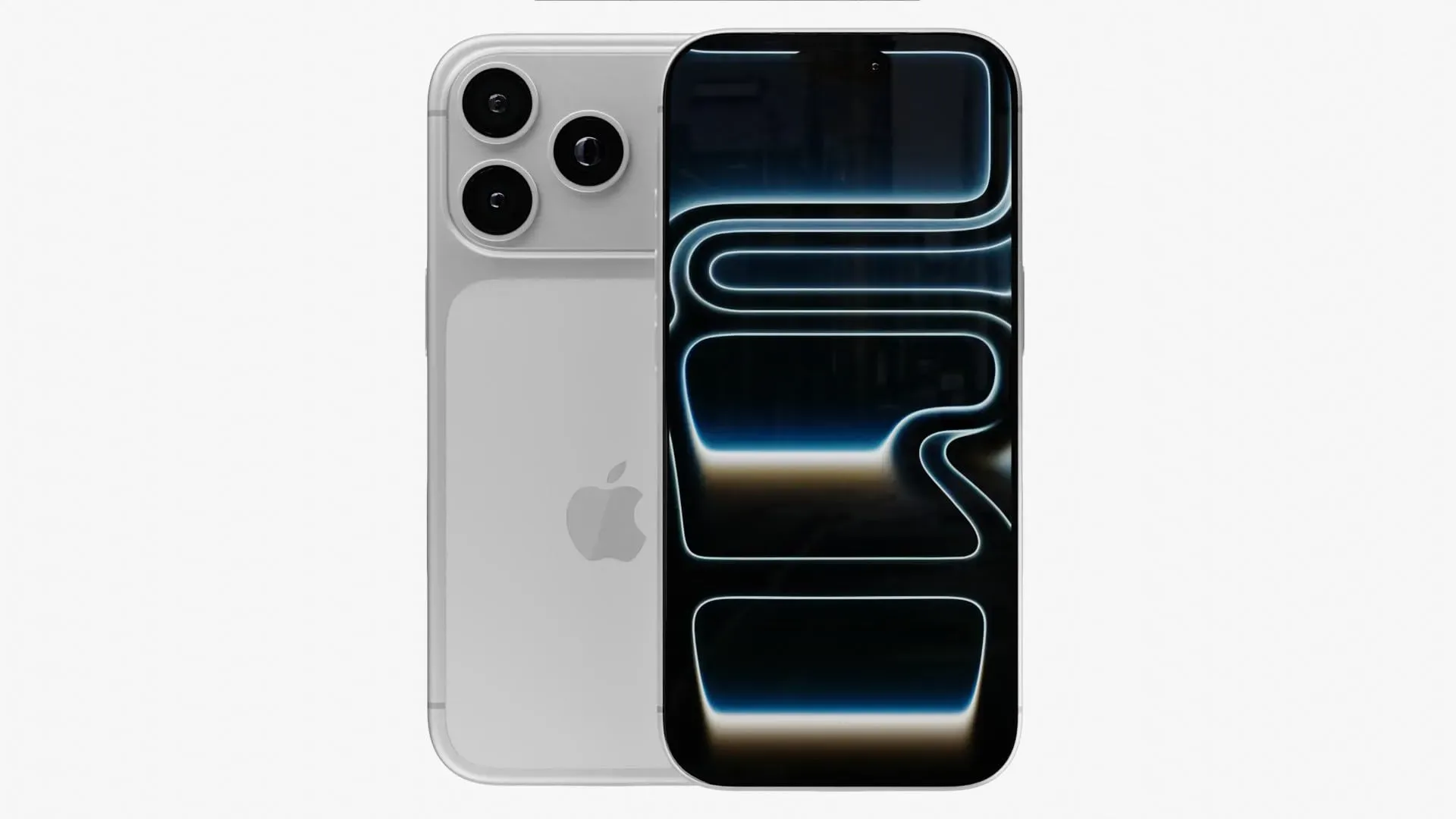
#4. Apple iPhone 17 Pro Max
The largest iPhone ever with 1TB storage for users who never delete.
Price: $1,529.99Rating: 4.2/5Best For: Power UsersCheck Price on Amazon
That 4.2/5 rating is a red flag for Apple. Flagships usually sit at 4.5+. Something is off here, and buyer reviews mention software bugs and battery drain more than usual. That said, the hardware delivers: 6.9-inch Super Retina XDR, A18 Bionic, and a full terabyte of storage. That is room for roughly 250,000 photos or 500 hours of 4K video. The titanium frame keeps it manageable. This unit is tested for 80%+ battery health and includes a certified charger. If you need maximum screen and storage in the Apple ecosystem, nothing else comes close. Just know that software stability is not guaranteed.
Pros
- 6.9" Super Retina XDR display with ProMotion 120Hz adaptive refresh
- A18 Bionic processor for demanding apps and gaming
- Full 1TB internal storage for media-heavy users
- 48MP triple-camera system with LiDAR and ProRAW support
- Titanium frame is lighter and stronger than previous stainless steel
Cons
- Customer rating of 4.2/5 is lower than typical Apple flagship quality
- eSIM-only design means no physical SIM slot for international travelers
Verdict: The iPhone for users who store everything locally and refuse to delete photos. Skip if you are fine with 256GB or need a physical SIM for travel.
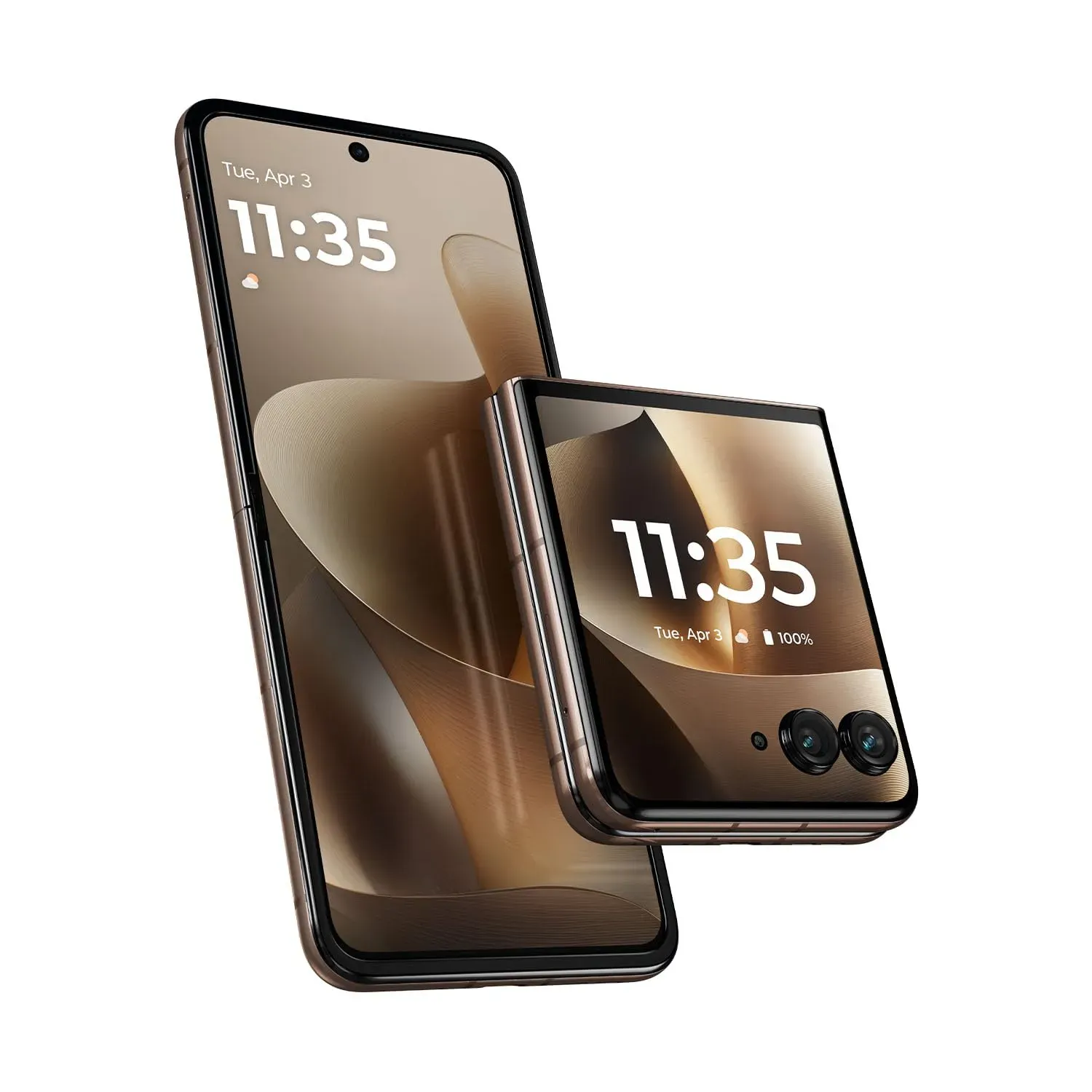
#5. Motorola Razr Ultra 2026
The flip phone with a 4-inch outer screen that runs actual apps.
Price: $1,499.99Rating: 4.5/5Best For: Style-Conscious UsersCheck Price on Amazon
Most flip phone outer screens are glorified notification tickers. This one runs actual apps. Respond to texts, check maps, control music, all without flipping open. When you do unfold it, a 6.7-inch OLED snaps into place with the most satisfying hinge sound in consumer tech. The Snapdragon 8 Elite inside is the most powerful chip ever in a flip form factor. Sixty-eight watt TurboPower charging gives you a full day's charge in eight minutes. Pantone-curated colors and a refined hinge mechanism round out a device that is as much fashion accessory as smartphone.
Pros
- 4.0" external display runs full apps without requiring phone to be opened
- Snapdragon 8 Elite is the most powerful chip available in a flip phone
- 68W TurboPower charging delivers full day charge in approximately 8 minutes
- Triple 50MP camera system with AI-assisted processing
- IP48 water resistance plus Pantone-curated color finish options
Cons
- Hefty $1,500 price for a flip form factor with smaller internal screen
- Internal display is smaller than foldables like the Z Fold7
Verdict: The flip phone for users who want compact luxury with real utility. Buy if style matters as much as specs. Skip if you need a large screen.
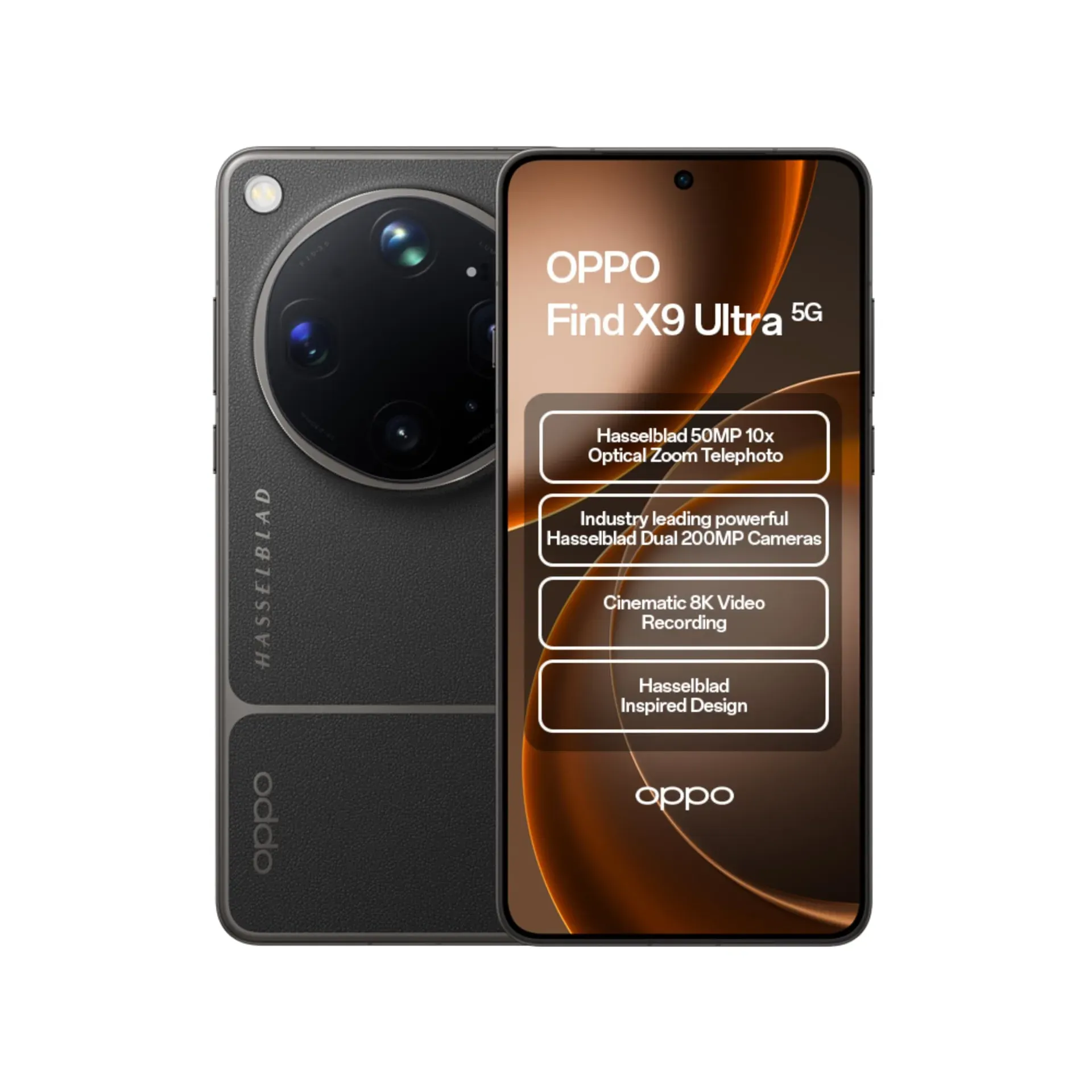
#6. OPPO Find X9 Ultra
Dual 200MP sensors for photography obsessives who print large.
Price: $1,699.00Rating: 4.5/5Best For: Camera ConnoisseursCheck Price on Amazon
Two hundred megapixels. Twice. The camera array reads like a fever dream: 200MP main, 200MP periscope telephoto, 50MP 10x optical zoom, 50MP ultra-wide with 123-degree field of view. Four premium sensors on one phone. If you crop aggressively or print large, nothing else on this list comes close. The 6.82-inch LTPO AMOLED display at 1440x3168 resolution is essentially a portable gallery. At $1,699, this is the most expensive phone here. But for photographers who need optical versatility over convenience, the price makes sense. Just check carrier bands before buying.
Pros
- Dual 200MP sensors: main camera at f/1.5 and 3x periscope telephoto
- 50MP 10x optical zoom periscope for best-in-class reach
- 6.82" LTPO AMOLED display with 1440x3168 resolution
- Snapdragon 8 Elite Gen 5 with 12GB RAM and 512GB UFS 4.0 storage
- 512GB storage handles high-resolution photo and video workflows
Cons
- Most expensive phone on this list at $1,699
- International model with limited US carrier compatibility and warranty support
Verdict: The best premium smartphone for photography in 2026 if you shoot seriously. Skip if you just post to Instagram or cloud storage.
#7. ASUS ROG Phone 9 Pro
185Hz display and shoulder triggers for mobile gaming diehards only.
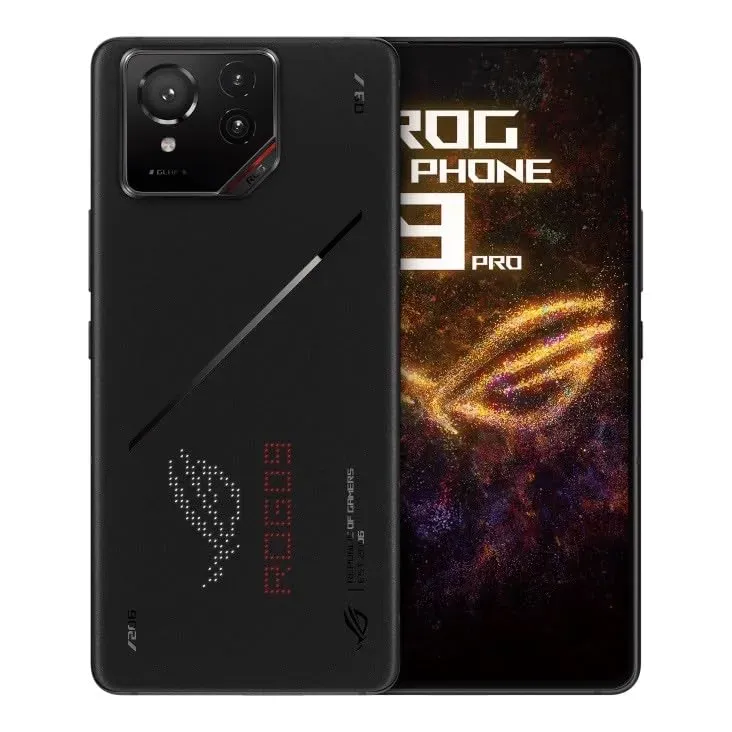
Price: $1,199.00Rating: 3.8/5Best For: Mobile GamersCheck Price on Amazon
One hundred eighty-five hertz. Most phones max out at 120Hz. Competitive gamers feel the difference in every swipe and tap. AirTrigger 6 ultrasonic sensors map to any in-game action, turning the phone into a controller without the bulk. The vapor-chamber cooling actually prevents thermal throttling during extended PUBG sessions. But that 3.8/5 rating tells the truth. This is a niche device with average cameras and a design that screams gamer in a way that looks unprofessional at work. For leaderboard climbers, this is the only choice. Everyone else should scroll back up to Xiaomi or Samsung.
Pros
- 185Hz AMOLED display is the fastest refresh rate available on any phone
- AirTrigger 6 ultrasonic shoulder controls enable precision gaming inputs
- Advanced vapor-chamber cooling prevents thermal throttling during extended play
- 5,800mAh battery with 65W fast charging supports long sessions
- 50MP gimbal-stabilized main camera for gameplay capture
Cons
- Lowest rating on this list at 3.8/5 indicates limited appeal beyond gaming
- Aggressive gamer aesthetic does not fit professional environments
Verdict: Buy only if you game competitively on mobile. Everyone else gets better value and versatility from the phones ranked above.
#8. Oppo Find N6
The largest folding display available for early adopters with deep pockets.
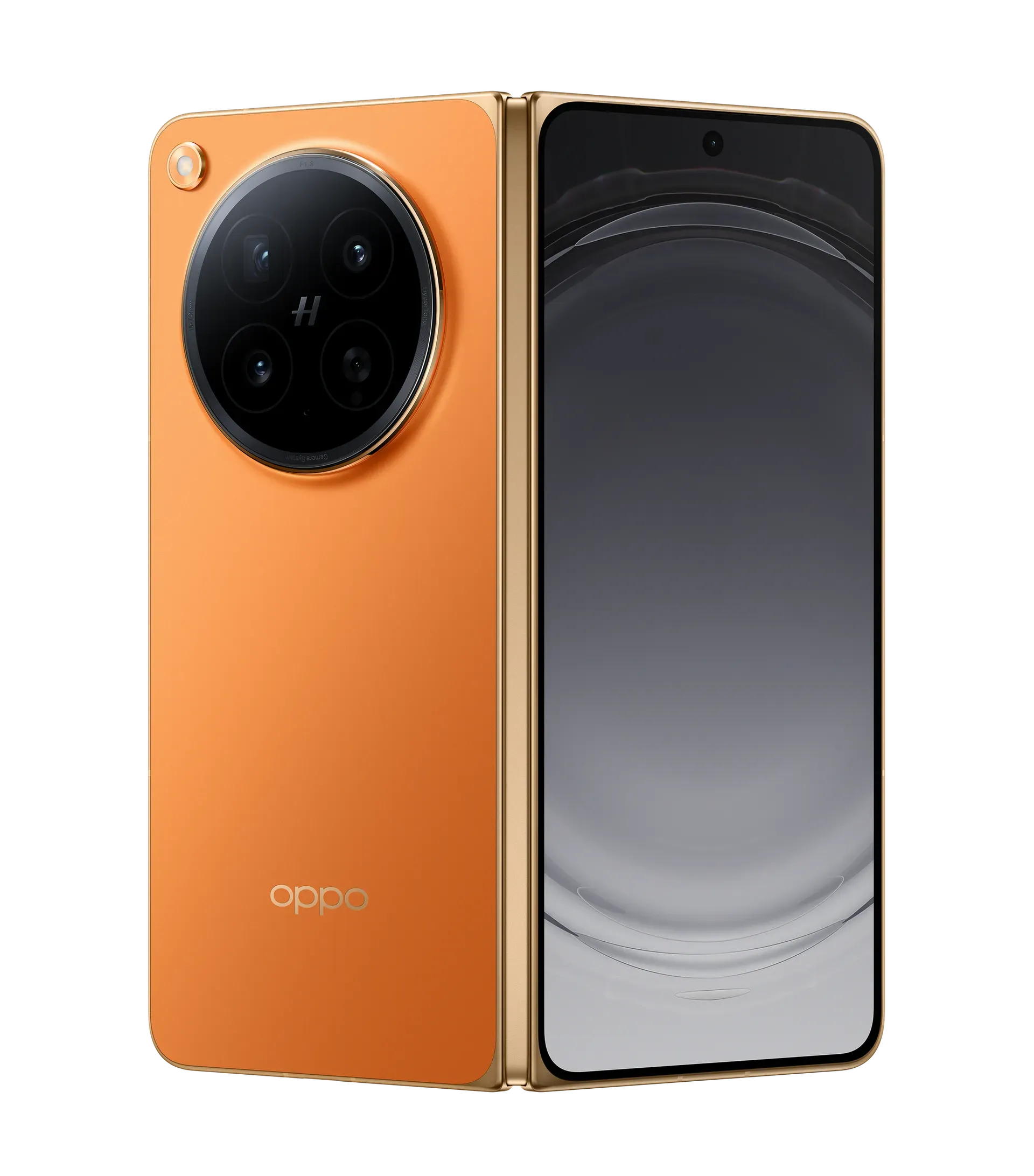
Price: $1,999.00Rating: —Best For: Foldable InnovatorsCheck Price on Amazon
Seven point eight inches. That is larger than some tablets, and it folds in half. The 6.5-inch cover screen means you can actually use it closed without squinting. The Snapdragon 8 Gen 3 and 5,000mAh dual-cell battery with 80W SuperVOOC charging handle the demands of that massive display. The triple-camera system works fine for most scenarios but cannot match the dedicated photography phones higher on this list. At $1,999, this is for early adopters who want the absolute largest foldable canvas money can buy. Everyone else should look at the Z Fold7 for better software support.
Pros
- 7.8" QHD+ AMOLED inner display is the largest folding screen currently available
- 6.5" 120Hz external cover screen is fully usable when phone is closed
- 5,000mAh dual-cell battery with 80W SuperVOOC and 30W wireless charging
- Gorilla Glass Victus 2 protection with advanced hinge durability testing
- Snapdragon 8 Gen 3 handles demanding multitasking and media workflows
Cons
- Eye-watering $1,999 price tag is the highest on this list
- Limited US availability and no domestic warranty support
Verdict: The foldable for users who need maximum screen real estate and have the budget to match. Skip if you are price-sensitive or need reliable US support.
#9. Google Pixel 10 Pro
Computational photography excellence under $1,000 with Gemini AI.
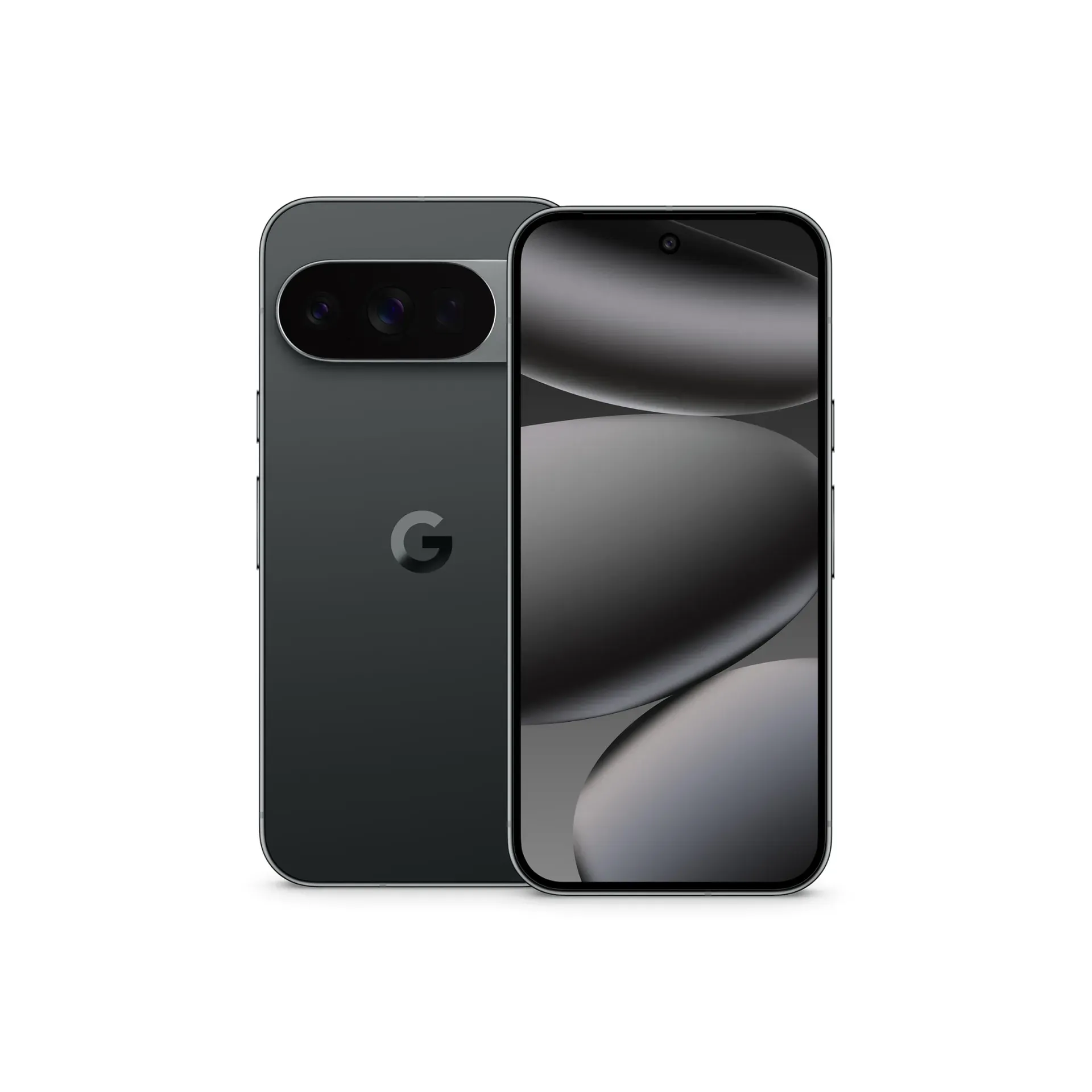
Price: $985Rating: 4.4/5Best For: Photography PuristsCheck Price on Amazon
Under a thousand dollars for a premium flagship in 2026. The Tensor G5 chip handles image processing that no other phone can match. 50MP captures with computational magic. 100x Pro Res Zoom that actually produces usable shots. 8K video stabilization that defies physics. The 6.3-inch Super Actua display hits 3,300 nits peak brightness for harsh daylight viewing. Gemini integration means the AI assistant is foundational, not bolted on. The catch is 128GB of storage, which feels tight for a photography-first phone. But if you want premium smartphone features without the premium price, this is your best option.
Pros
- Tensor G5 chip with deep Gemini AI integration across the system
- 50MP camera with 100x Pro Res Zoom and 8K video recording
- 6.3" Super Actua display with 3,300-nit peak brightness for outdoor visibility
- Aluminum body construction with Gorilla Glass Victus 2 protection
- Compatible with all major US carriers out of the box
Cons
- 128GB base storage is limited for a photography-focused device
- No expandable storage option available
Verdict: The smartest buy on this list for photography lovers on a budget. But if you shoot heavily, that 128GB will pinch fast.
#10. OnePlus 15
The battery champion with 7,300mAh and flagship performance at $850.
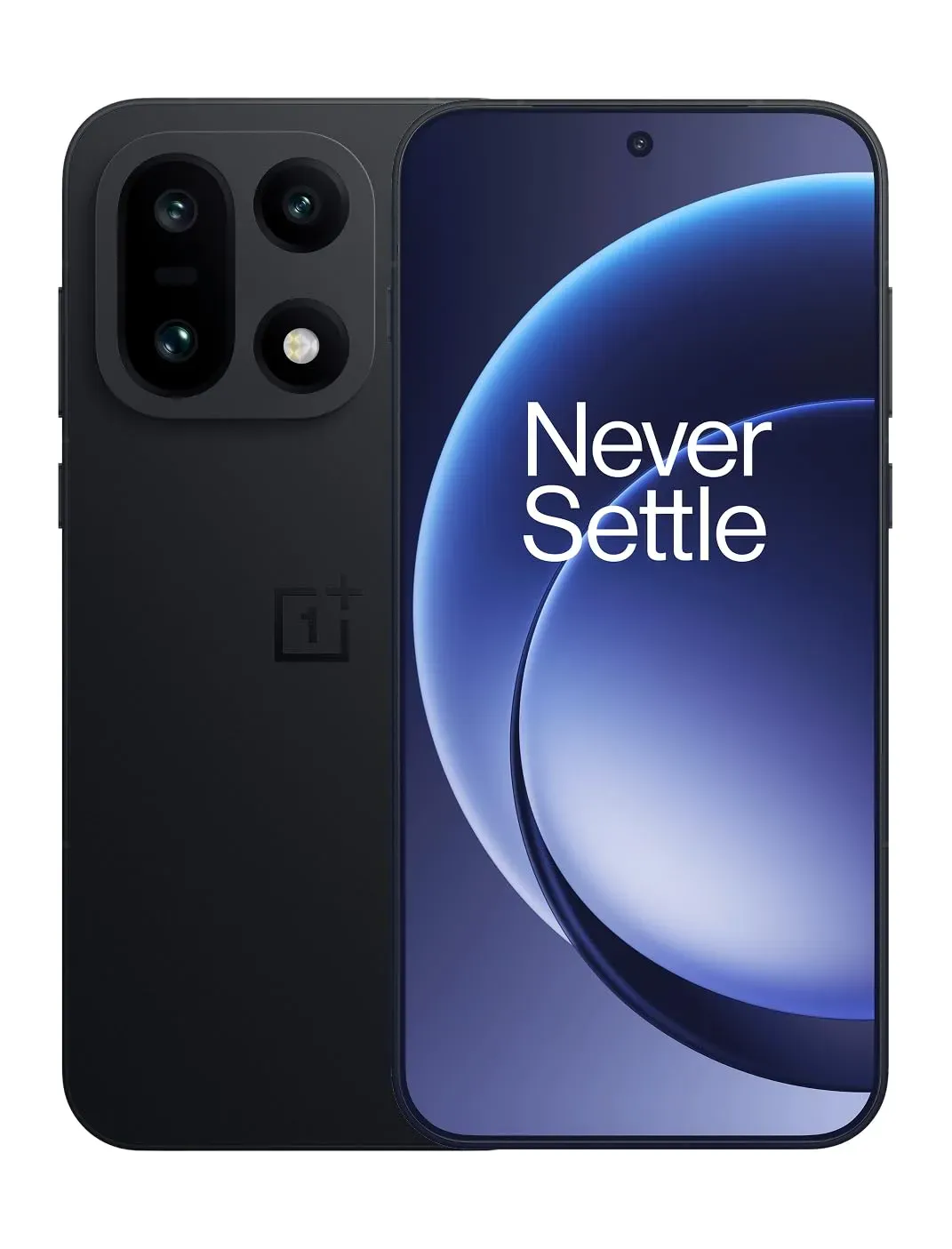
Price: $849.99Rating: 4.6/5Best For: Performance Power UsersCheck Price on Amazon
Seven thousand three hundred milliamp-hours. Most flagships top out around 5,000mAh. The Tri-Chip System pairs Snapdragon 8 Elite Gen 5 with dedicated Wi-Fi and CPU scheduler chips for efficiency that translates to real-world endurance. Two days of regular use is not uncommon. The 6.78-inch AMOLED at 165Hz makes everything feel impossibly smooth. IP66, IP68, and IP69 ratings mean it survives water jets, submersion, and dust. The tradeoff is brand recognition and resale value. But if you care more about performance than prestige, this phone outperforms flagships costing twice as much.
Pros
- Massive 7,300mAh battery is the largest in this premium smartphone lineup
- Tri-Chip System combines Snapdragon 8 Elite Gen 5 with dedicated efficiency processors
- 6.78" 165Hz AMOLED display delivers ultra-smooth scrolling and gaming visuals
- Triple 50MP camera system with Hasselblad color science certification
- IP66, IP68, IP69, and IP19K durability ratings for military-grade toughness
Cons
- Lower brand recognition than Samsung or Apple affects resale value
- OxygenOS update history shows slower rollouts than Pixel or One UI devices
Verdict: The battery champion of premium smartphones in 2026. Buy if endurance matters more than brand prestige. Skip if resale value is a priority.
How to choose the best premium smartphones
What makes premium smartphones worth their price tags beyond expensive logos? Manufacturers pull out every stop for top-tier processors, flagship cameras, premium materials, and cutting-edge features that will not trickle down to mid-range devices for years. But spending more does not automatically mean getting more. Here is how to cut through the marketing.
Camera systems go beyond megapixels
Do not chase megapixel counts. A 200MP sensor sounds impressive, but pixel size, aperture, and computational photography matter more. The OPPO Find X9 Ultra has dual 200MP sensors, but the Google Pixel 10 Pro produces better shots with its 50MP system thanks to Tensor's AI processing. Look for optical zoom instead of digital, OIS, and dedicated telephoto lenses if zoom matters to you.
Display quality is what you will stare at
You will interact with the display thousands of times daily. Brightness matters more than resolution since 3,000+ nits peak brightness means outdoor readability. Adaptive refresh rates from 1Hz to 120Hz balance smoothness with battery life. Foldables offer more screen but sacrifice durability and pocketability. The Samsung Z Fold7 excels at multitasking but demands a lifestyle adjustment.
Ecosystem lock-in creates hidden costs
Samsung phones sync with Galaxy Buds, Watches, and tablets. iPhones only play nice with AirPods and Apple Watches. The Xiaomi and OPPO devices on this list work with everything but lack deep integration. If you are invested in an ecosystem, factor that into your decision. Switching costs more than just the phone price.
Price versus value in the premium tier
The jump from $1,000 to $1,500 does not deliver 50% more phone. You are paying for the last 5% of performance, which means better zoom, brighter screens, and foldable mechanics. The OnePlus 15 and Pixel 10 Pro deliver 90% of flagship performance for 60% of flagship prices. Know whether you need that last 10%.
Frequently asked questions
What is the best premium smartphone for photography in 2026?
The OPPO Find X9 Ultra offers the most versatile camera system with dual 200MP sensors and 10x optical zoom. For computational photography and AI processing, the Google Pixel 10 Pro produces consistently stunning results with less hardware complexity.
Are foldable phones worth the premium price?
Only if you genuinely use multiple apps simultaneously. The Samsung Galaxy Z Fold7 excels at productivity but costs $400 more than a traditional flagship with similar specs. If you do not multitask heavily, stick with a slab phone.
Which premium smartphone has the best battery life?
The OnePlus 15 leads with a massive 7,300mAh battery. That is nearly 50% larger than most competitors. The Xiaomi 17 Ultra also delivers exceptional endurance with its 6,000mAh cell.
Do international smartphones work on US carriers?
It depends on the bands. The Xiaomi 17 Ultra works with T-Mobile and Mint but lacks support for Verizon, AT&T, and their sub-brands. Always verify band compatibility before buying international models.
What is the best value among premium smartphones in 2026?
The OnePlus 15 at $849.99 delivers flagship performance and the largest battery on this list. For photography on a budget, the Google Pixel 10 Pro at $985 offers the best camera experience under $1,000.
Final verdict
The Xiaomi 17 Ultra takes the top spot by delivering more flagship hardware per dollar than anything else in 2026. Leica cameras, 6,000mAh battery, 3,500-nit display, and Snapdragon 8 Elite Gen 5 all for $1,199. The Samsung Galaxy S26 Ultra follows as the safest flagship buy with a US warranty, privacy display, and the highest customer rating at 4.7/5. For multitaskers, the Galaxy Z Fold7 justifies its premium with productivity gains that foldables finally deliver.
But honestly, any phone on this list serves you well. The Google Pixel 10 Pro and OnePlus 15 prove you do not need to spend $1,500 for a premium experience. The OPPO Find X9 Ultra and Motorola Razr Ultra cater to specific tastes. Camera obsessives and style-conscious users each have their match. Pick based on what you actually need, not what marketing tells you to want. And always check current prices on Amazon because they fluctuate daily on premium smartphones.