Top 10 Best Premium Binoculars of 2026: Ranked & Reviewed
Canon's stabilized binoculars do something no other pair can: freeze the image dead still. But Swarovski's NL Pure fights back with glass so sharp you forget it's there. Here are the 10 best premium binoculars of 2026, ranked.
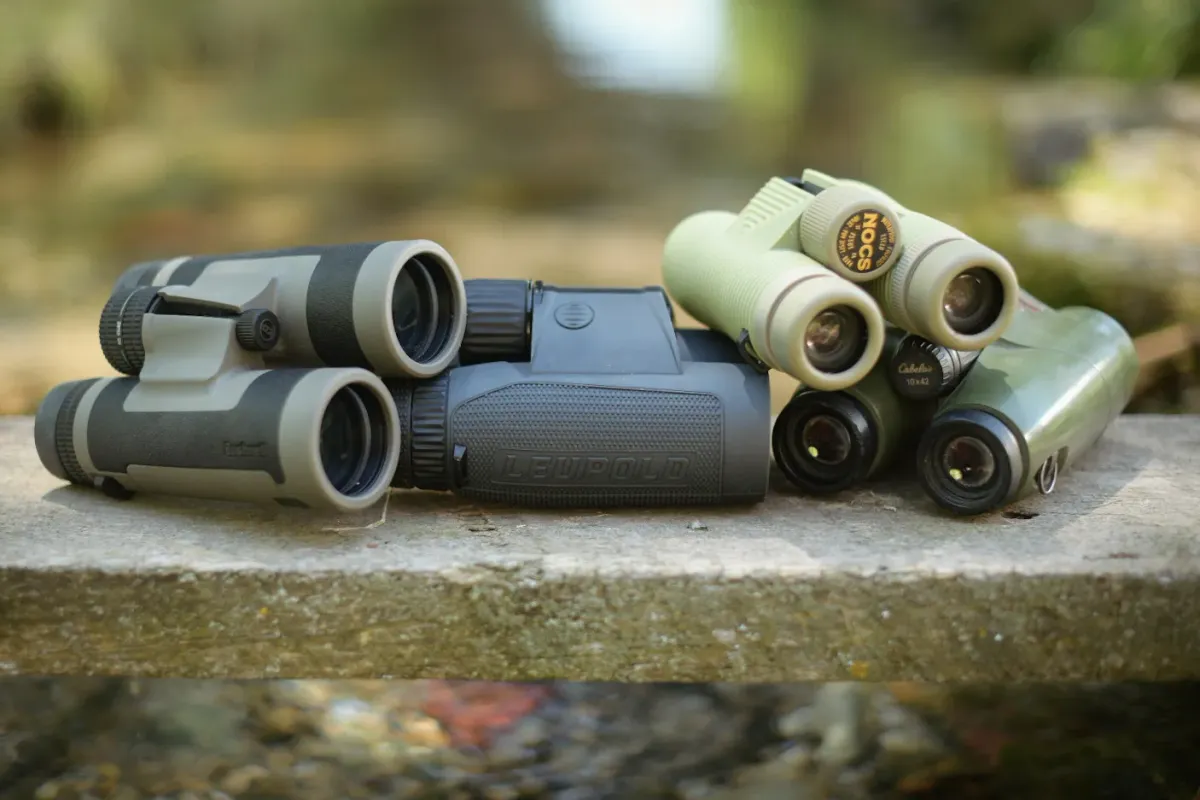
The difference between a $500 pair of binoculars and a $1,500 pair isn't magnification. It's what you can see during the last 15 minutes of legal shooting light. It's the absence of eye strain after three hours of glassing a ridgeline. It's the moment a bird's eye ring snaps into focus so crisply you forget you're looking through glass at all.
This list of the best premium binoculars of 2026 spans Canon's one-of-a-kind stabilized unit to Swarovski's optical benchmark, with a few surprises in between. There's a direct-to-consumer brand that outperforms its pedigree and a Zeiss that costs less than some mid-range scopes. The Canon 10x42 L IS WP takes the top spot for a reason no other binocular can match: it removes hand shake from the equation entirely.
| # | Product | Price | Rating | |
|---|---|---|---|---|
| #1 | Canon 10x42 L IS WP | $1,599 | 4.5/5 | View Deal |
| #2 | Swarovski NL Pure 10x42 | N/A | 4.8/5 | View Deal |
| #3 | Tract Toric UHD 10x42 | N/A | 4.7/5 | View Deal |
| #4 | Athlon Cronus G2 UHD 15x56 | N/A | 4.6/5 | View Deal |
| #5 | Zeiss Terra ED 8x42 | $469.99 | 5/5 | View Deal |
| #6 | Maven B1.2 10x42 | $1,100.00 | 4.6/5 | View Deal |
| #7 | Nikon Monarch HG 10x42 | N/A | 4.5/5 | View Deal |
| #8 | OM System 8x42 PRO | N/A | 4.5/5 | View Deal |
| #9 | Vanguard VEO HD IV 10x42 | N/A | 4.5/5 | View Deal |
| #10 | Leupold BX-5 Santiam HD 10x42 | N/A | 4.5/5 | View Deal |
#1. Canon 10x42 L IS WP Image Stabilized Binoculars
The only premium binocular with built-in stabilization. Locks the image dead still at 10x.
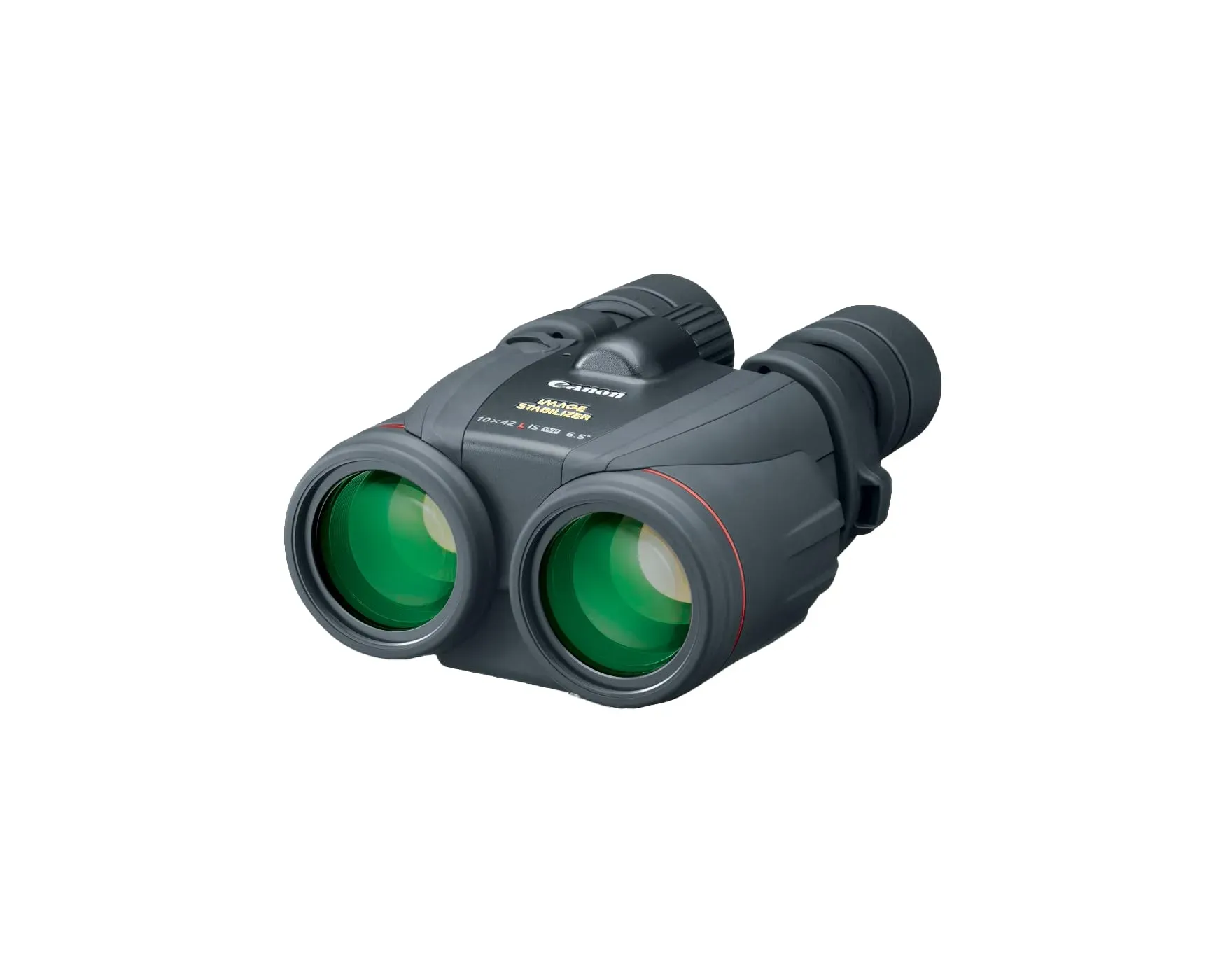
Price: $1,599 Rating: 4.5/5 Best For: Shake-Free Viewing Check Price on Amazon
No other binocular on this list does what the Canon does: it makes hand shake irrelevant. At 10x, your own pulse is the enemy. Micro-jitters smear detail you paid four figures to see. Press the stabilizer button and the image freezes. Birds become field marks. That edge-of-light buck stops being a guess. The tradeoff is weight (these are chunky) and a dependence on two AA batteries. If the batteries die mid-session, you're left with an expensive, heavy, unstabilized 10x42. But for anyone who glasses for hours or simply has unsteady hands, the Canon earns its #1 spot by solving a problem the Swarovski NL Pure (#2) can't touch.
Pros
- Built-in image stabilization eliminates hand shake completely
- 10x magnification with 42mm objective lenses
- Waterproof (WP) construction for all-weather use
- Includes padded case, neoprene strap, and eyepiece rainguard
- Runs on two standard AA batteries, easy to replace in the field
Cons
- Heavier than non-stabilized 10x42 models like the Maven B1.2
- Electronic components introduce a long-term reliability variable
- Battery dependent. Dead batteries mean no stabilization at all
Verdict: Buy the Canon if image stability is your top priority and you're willing to trade some weight for a view no other binocular can match. Skip it if you want pure optical pedigree. The Swarovski NL Pure (#2) edges it in raw glass quality.
#2. Swarovski NL Pure 10x42 Binoculars
The optical benchmark. Edge-to-edge sharpness that makes you forget you're holding binoculars.
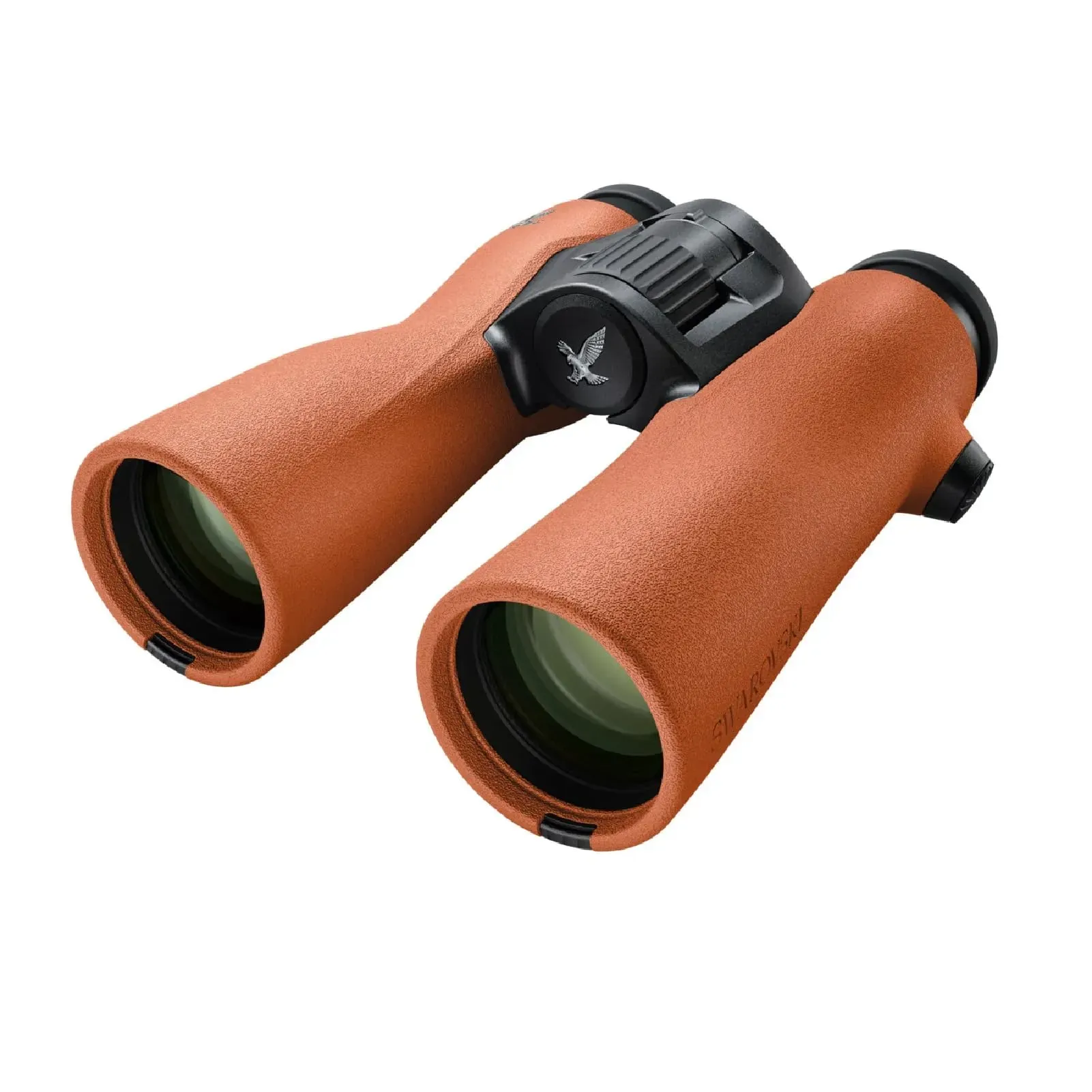
Price: N/A Rating: 4.8/5 Best For: Serious Birders & Hunters Check Price on Amazon
If the Canon (#1) buys you stability through clever engineering, the Swarovski NL Pure 10x42 buys optical perfection through sheer refusal to compromise. The HD field-flattener lens eliminates edge distortion so completely you stop noticing you're looking through binoculars at all. It's more like a window. Colors land true. Contrast holds to the very edge of the field. At its price, this is the glass for someone who wants the best and has no interest in electronic assists. The burnt orange body is polarizing. The view through it is not. Against the Canon, you trade stabilization for purer glass. Against everything else on this list, the Swarovski simply operates at a different level.
Pros
- HD field-flattener lens for uncompromising edge-to-edge sharpness
- Premium multi-coated optical system with exceptional light transmission
- Lightweight ergonomic body designed for extended glassing sessions
- Fully waterproof and fog-proof sealed housing
- Wide, immersive field of view that feels more like a window than an optic
Cons
- Premium pricing puts it firmly out of reach for most buyers
- Burnt orange housing is a love-it-or-hate-it aesthetic choice
- No image stabilization. Steady hands required at 10x for long sessions
Verdict: Buy the Swarovski if you want the finest optical experience in premium binoculars and budget is no obstacle. Skip it if the Canon's (#1) stabilization tech intrigues you. That's the one feature these can't match.
#3. Tract Toric UHD 10x42 Binoculars
The low-light champion. Schott HT glass that hangs with binoculars costing twice as much.
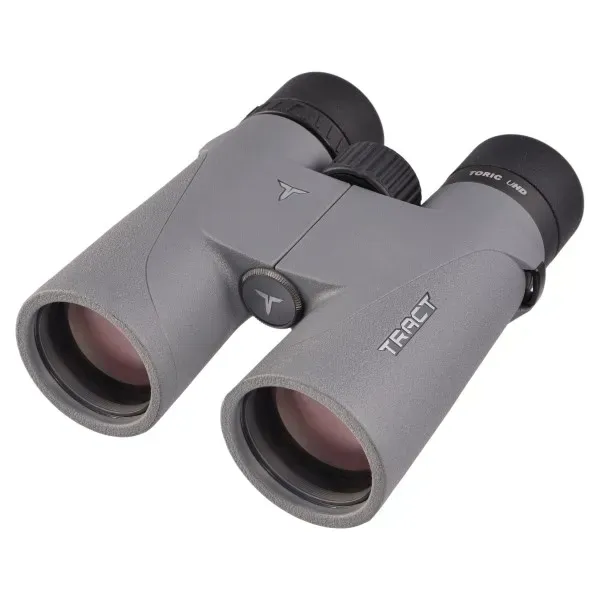
Price: N/A Rating: 4.7/5 Best For: Low-Light Birding Check Price on Amazon
Tract has zero brand cachet and that's exactly the point. This direct-to-consumer outfit skips retail markup entirely and pours the savings into Schott HT glass, which pulls detail out of dim light like binoculars costing far more. At dawn and dusk, when most glass gives up, the Toric UHD keeps showing you things. The catch: no dealer network, nobody at the birding meetup will recognize the logo, and you can't try before you buy. Resale value trails the legacy brands by a wide margin. But if you judge binoculars by what reaches your eye rather than what's printed on the housing, the Toric UHD makes a quietly devastating argument for skipping the Swarovski tax.
Pros
- Schott HT high-transmission glass for exceptional low-light performance
- 10x magnification with 42mm objective lenses
- Fully multi-coated lenses for maximum light throughput
- 6.5 degree field of view
- Waterproof and fogproof construction
Cons
- Can only be ordered direct. No Amazon or retail availability for easy returns
- No hands-on trial before committing to a four-figure purchase
- Resale value trails established premium brands significantly
Verdict: Buy the Tract Toric UHD if low-light birding is your priority and you want premium glass without the premium brand tax. Skip it if brand prestige, dealer support, or resale value matter. The legacy names hold value better.
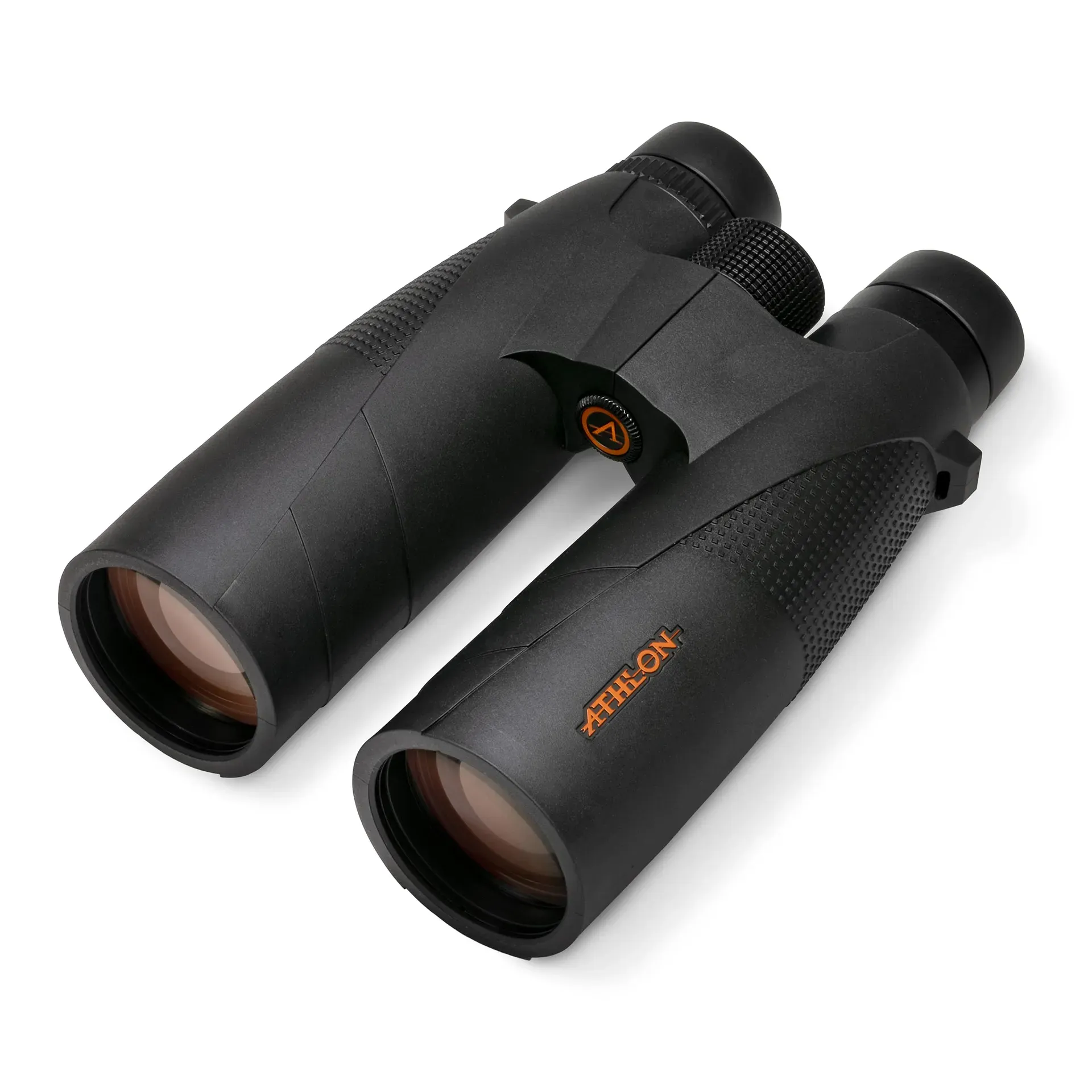
#4. Athlon Optics 15x56 Cronus G2 UHD Black Binoculars
Fifteen-power reach with massive 56mm objectives. The long-range specialist of the premium tier.
Price: N/A Rating: 4.6/5 Best For: Long-Range Observation Check Price on Amazon
Fifteen power changes the game. Where 10x binoculars ask you to move closer, the Athlon Cronus G2 15x56 brings the ridgeline to you, and 56mm objectives mean you're not squinting through a dim tunnel to get there. This is the glass for western hunters counting points across canyons, for stargazers pulling lunar craters handheld, for anyone who needs reach that 10x flat-out cannot provide. ED glass and ESP dielectric coatings deliver color fidelity that holds up against glass costing significantly more. The magnesium chassis keeps weight manageable for the aperture, but let's be honest: at 15x, you'll want a tripod. Hand-holding works for a minute. Then your arms remind you why most premium binocular contenders stop at 10x.
Pros
- 15x magnification for extreme long-range observation
- 56mm objective lenses gather abundant light at distance
- ED glass for sharp, color-accurate images across the field
- ESP dielectric coating for true color reproduction
- Magnesium chassis, lightweight relative to the large objectives
Cons
- 15x magnification demands a tripod for any extended glassing session
- Heavy compared to every 10x42 model on this list
- Narrower field of view than lower-magnification options
Verdict: Buy the Athlon Cronus G2 if long-range observation is non-negotiable and you're committed to using a tripod. Skip it if you want all-day handheld comfort. The 10x models on this list are vastly more practical for extended use.
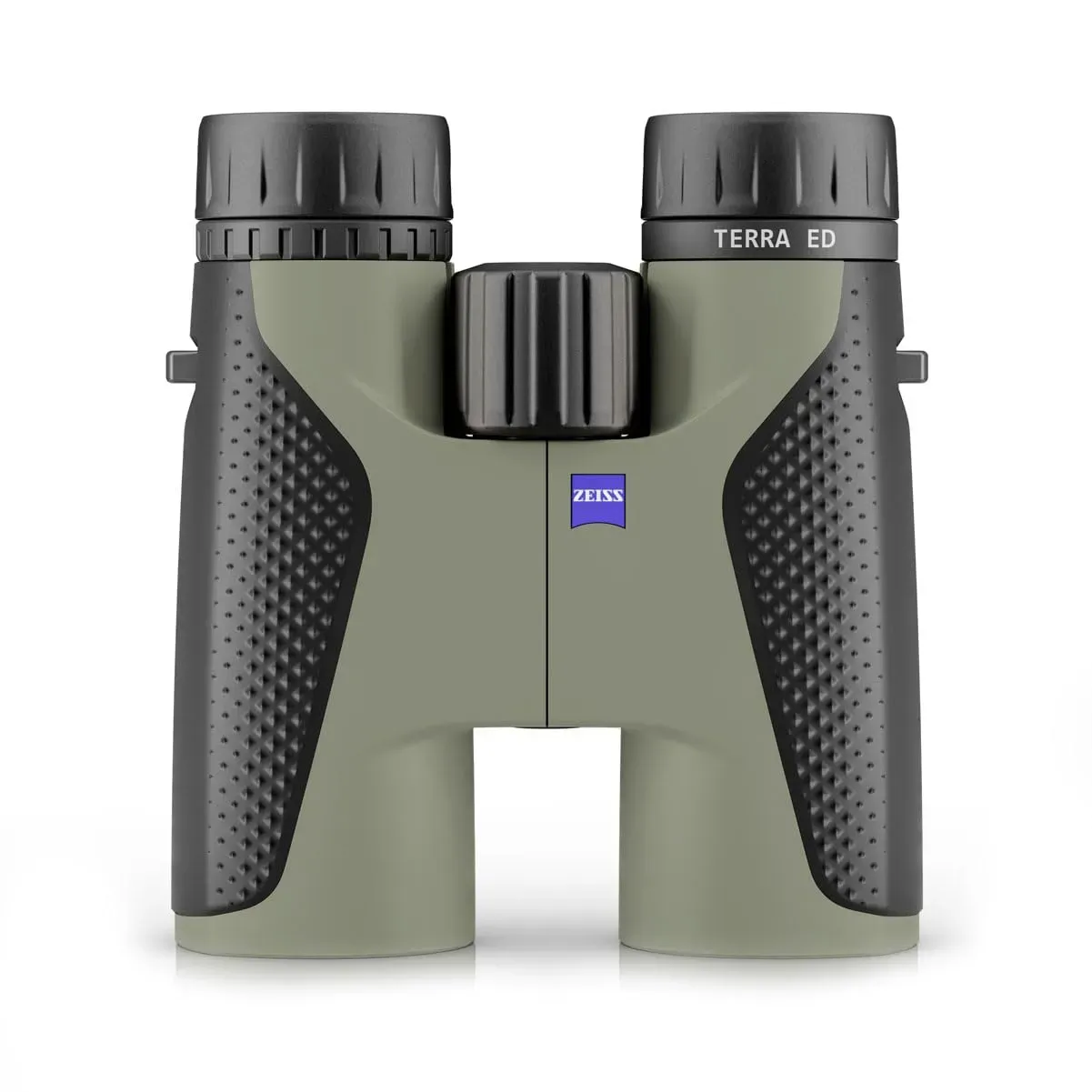
#5. ZEISS Terra ED Binoculars 8x42 Waterproof
Authentic Zeiss glass at $469.99. The only perfect 5/5 rating on this list.
Price: $469.99 Rating: 5/5 Best For: All-Weather Birding Check Price on Amazon
The Zeiss Terra ED 8x42 costs $469.99 and carries a perfect 5/5 rating. On a list where most entries push past a thousand dollars, that combination demands attention. Zeiss didn't dumb down the glass to hit this price: Schmidt-Pechan ED optics with hydrophobic multi-coating shed rain and fingerprints without dimming the view. The 8x magnification gives you a wider field and a steadier handheld image than any 10x on this list, no stabilization needed. Compared to the Nikon Monarch HG (#7) or Maven B1.2 (#6), the Terra ED concedes some low-light punch but costs one-third to one-half as much. For birders who go out in real weather, that's a trade worth making.
Pros
- Schmidt-Pechan ED glass with 88% light transmission
- Hydrophobic multi-layer anti-reflective coating for all-weather clarity
- Compact, lightweight fiberglass-reinforced body
- Large, easy-grip focus wheel for fast, precise focusing
- Waterproof and fog-proof for all-weather use
Cons
- 8x magnification limits long-range detail compared to 10x models
- 42mm objectives gather less light than the 56mm Athlon (#4)
- Fiberglass body lacks the premium tactile feel of magnesium chassis competitors
Verdict: Buy the Zeiss Terra ED if you want authentic Zeiss glass at a fraction of typical premium binocular pricing, especially for all-weather birding. Skip it if you need 10x magnification or the prestige of a magnesium-bodied flagship.
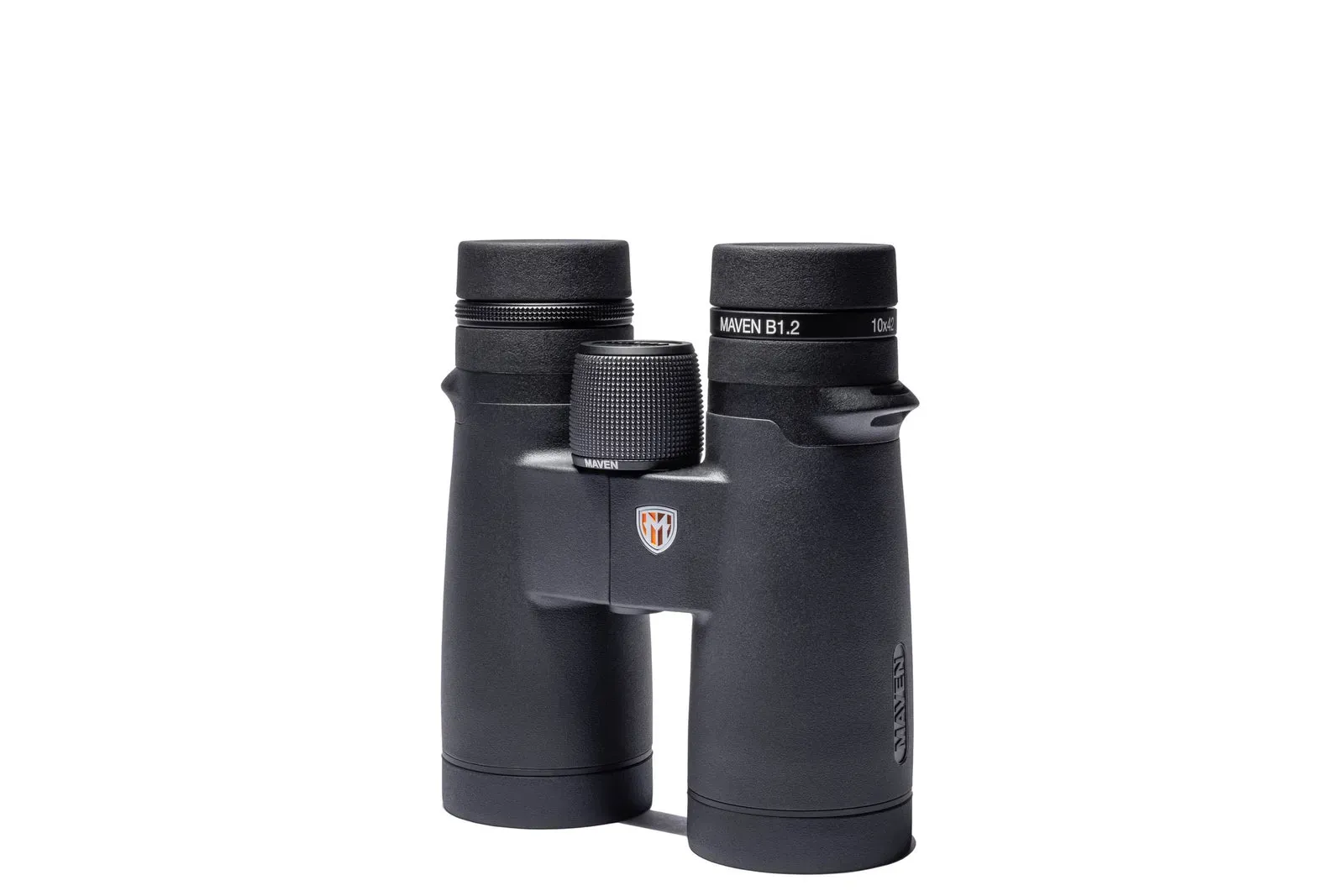
#6. Maven B1.2 10x42mm Binoculars
Near-Swarovski performance in a compact magnesium frame, for hundreds less.
Price: $1,100.00 Rating: 4.6/5 Best For: Hunters & Birders Check Price on Amazon
Maven sells direct and passes the savings to you. At $1,100, the B1.2 10x42 sits between the value-priced Zeiss Terra ED (#5) and the stratospheric Swarovski NL Pure (#2), and optically it leans much closer to the Swarovski than the price suggests. ED glass objectives in a magnesium housing deliver sharp, color-accurate images in a frame light enough for all-day carry. The B1.2 handles beautifully. Compact, balanced, built for hours of fatigue-free glassing. The tradeoff is the same one Tract faces: no dealer network, no brand prestige at the birding meetup, and resale that won't touch a Zeiss or Swarovski. If those things don't matter to you, this is the performance bargain of the premium tier.
Pros
- ED glass objectives for sharp, color-accurate images
- 10x magnification with 42mm objectives in a compact roof-prism design
- Lightweight magnesium housing
- Waterproof and fogproof for all-conditions use
- Direct-to-consumer pricing undercuts legacy brand equivalents
Cons
- $1,100 puts it well above mid-range without the Swarovski or Zeiss cachet
- No retail demo units exist. You're buying on specs and reviews alone
- Smaller brand means fewer accessories and limited aftermarket support
Verdict: Buy the Maven B1.2 if you want near-Swarovski performance at roughly two-thirds the price and don't care about brand prestige. Skip it if you need a dealer network for servicing or prefer the resale security of established names.
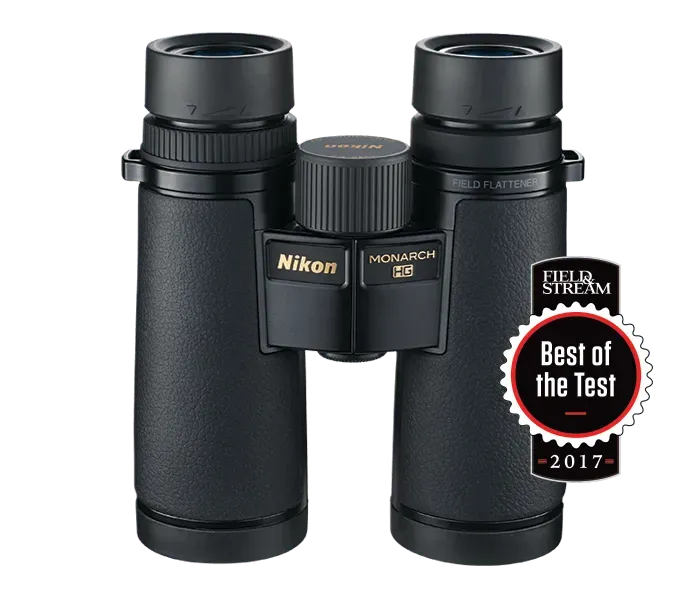
#7. Nikon Monarch HG 10x42 Binocular
Nikon's proven workhorse. ED glass, bombproof build, and zero chromatic aberration.
Price: N/A Rating: 4.5/5 Best For: Hunting & Bird Watching Check Price on Amazon
Nikon's Monarch line has been the gateway to serious optics for decades, and the Monarch HG 10x42 is its ceiling. ED glass handles chromatic aberration with authority: no purple fringing on high-contrast edges, even at the field periphery. The rubber-armored housing has the bombproof feel hunters want when expensive glass dangles over rocks. Against the Maven B1.2 (#6), the Monarch HG leans harder into ruggedness. Against the Zeiss Terra ED (#5), it pulls ahead in optical refinement. What it lacks is a headline feature. No stabilization like the Canon (#1). No field-flattener like the Swarovski (#2). No exotic Schott HT glass like the Tract Toric (#3). But it does everything well, and Nikon's dealer network means you can actually try one before buying. Sometimes dependable beats dazzling.
Pros
- ED extra-low-dispersion glass for minimal chromatic aberration
- 10x magnification with 42mm objective lenses
- Waterproof and fogproof construction
- Rubber-armored housing for impact protection and grip
- Nikon's proven optical heritage and broad dealer support network
Cons
- Lacks a standout differentiator. No IS, no ultra-wide field, no exotic glass type
- Rubber armoring adds bulk compared to magnesium-only competitors
- Pricing and specs overlap heavily with the Maven B1.2 (#6)
Verdict: Buy the Nikon Monarch HG if you want proven reliability, broad dealer support, and Nikon's optical consistency in a rugged package. Skip it if you want a defining feature. The Canon's (#1) stabilization and the Swarovski's (#2) field-flattener are more distinctive.
#8. OM SYSTEM OLYMPUS 8x42 PRO Binocular
17mm eye relief makes these the best premium pick for eyeglass wearers.
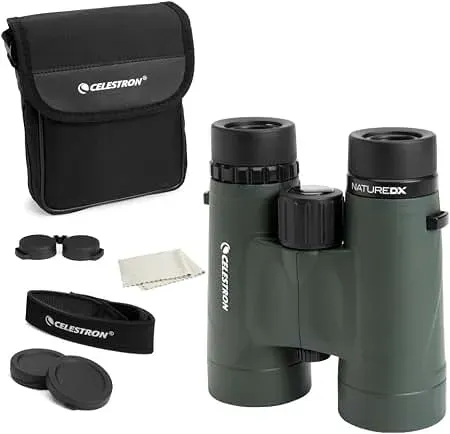
Price: N/A Rating: 4.5/5 Best For: Premium Nature Observation Check Price on Amazon
OM System, formerly Olympus, brings camera-lens expertise to the 8x42 PRO. BaK-4 roof prisms with phase coating deliver contrast and color fidelity you'd expect from a company that builds professional camera glass. At 8x, you get the same steady-hand advantage as the Zeiss Terra ED (#5), but with 17mm of eye relief. Several competitors on this list stop at 15mm or less, and those two extra millimeters matter after hour three. Shock-resistant construction and waterproof sealing handle rough trails without complaint. The PRO badge isn't marketing fluff. These meet the same standards as OM System's professional camera gear. For glasses-wearing naturalists, the eye relief alone puts these in the conversation.
Pros
- BaK-4 roof prisms with phase coating for excellent contrast and color
- 17mm eye relief, ideal for eyeglass wearers
- 8x magnification with 42mm objectives
- Waterproof, fogproof, and shock-resistant construction
- Fully multi-coated optics throughout
Cons
- 8x magnification limits long-range detail work
- Brand transition from Olympus to OM System creates some market uncertainty
- Heavier than some 8x42 competitors in the same category
Verdict: Buy the OM System 8x42 PRO if you wear glasses and need generous eye relief without sacrificing optical quality. Skip it if you need 10x magnification or prefer a brand with a longer track record in premium binoculars specifically.
#9. Vanguard VEO HD IV 10x42 Binoculars
IPX7 submersible rating and carbon-composite toughness. The most durable glass here.
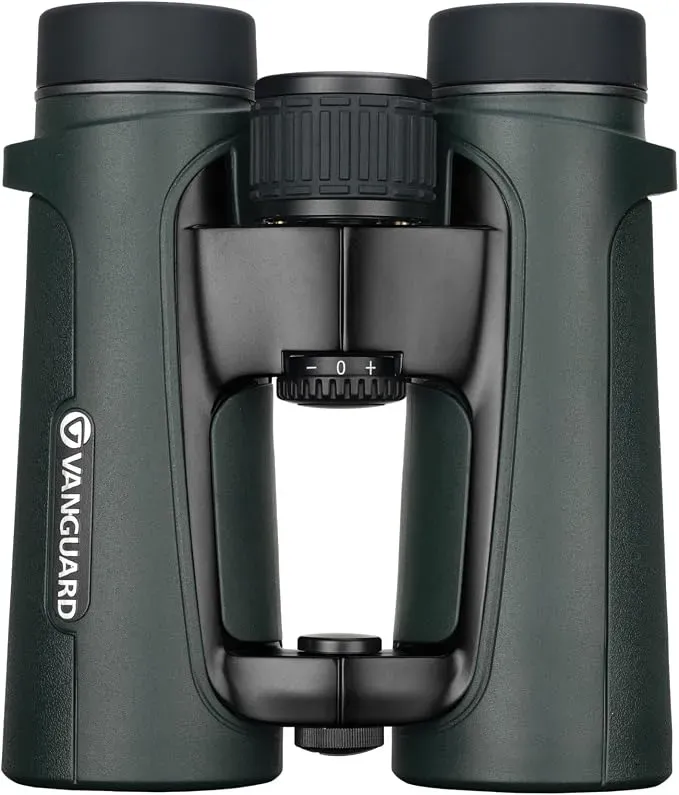
Price: N/A Rating: 4.5/5 Best For: Versatile Outdoor Use Check Price on Amazon
Vanguard takes a different approach to premium: advanced materials over exotic glass. The carbon-composite construction trims weight without the expense of magnesium, and the IPX7 waterproof rating means these survive a full meter of water for 30 minutes. Not a splash. Not a drizzle. A dunk. ED glass and BaK-4 prisms handle the optical side capably, producing sharp, color-accurate images across the field. Where the VEO HD IV earns its spot is versatility. These are the binoculars you grab for a hike that might turn into birding that might turn into a rainstorm. It doesn't beat the Swarovski (#2) on glass or the Tract Toric (#3) on low light, but the IPX7 rating and carbon-composite durability make it the most abuse-tolerant option on this list.
Pros
- ED glass objectives with BaK-4 prisms for sharp, color-accurate images
- IPX7 waterproof rating, submersible to 1 meter for 30 minutes
- Carbon-composite construction reduces weight
- 10x magnification with 42mm objectives
- Fogproof performance in all conditions
Cons
- Carbon composite body feels less premium than the magnesium chassis on competitors
- Optical performance is competent but doesn't lead in any single category
- Vanguard's reputation is built on tripods, not binoculars. Resale reflects this
Verdict: Buy the Vanguard VEO HD IV if you need premium optics that can survive genuine abuse and wet conditions without babying. Skip it if you're chasing the absolute best in any single performance category. Other picks on this list specialize harder.
#10. Leupold BX-5 Santiam HD 10x42 Binoculars
Leupold's lifetime guarantee meets HD glass. Built for hunters who measure in seasons, not specs.
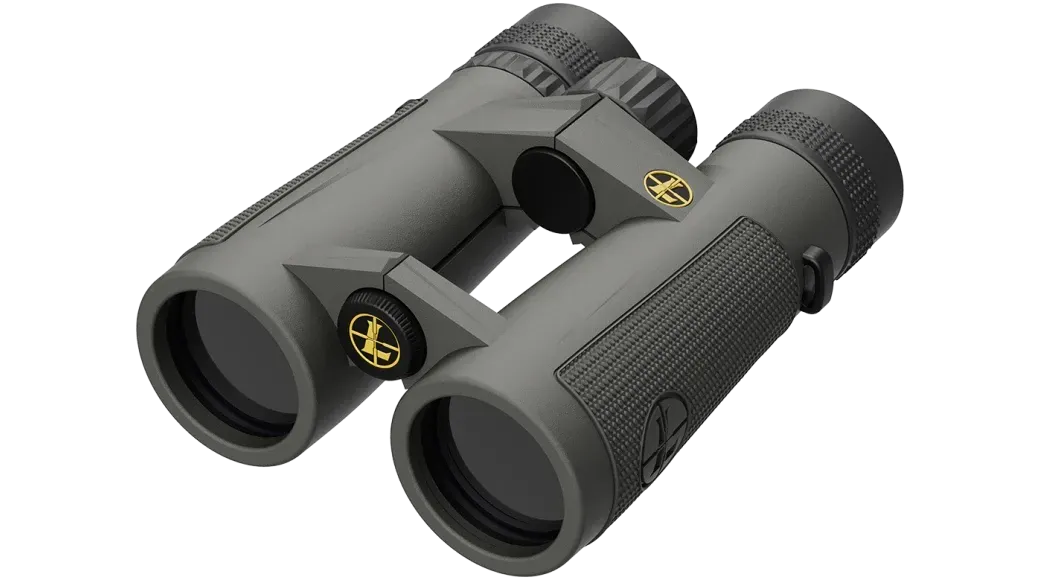
Price: N/A Rating: 4.5/5 Best For: Serious Outdoor Enthusiasts Check Price on Amazon
Leupold built its name on riflescopes that survive elk hunts in sideways rain, and the BX-5 Santiam HD 10x42 carries that DNA into binoculars. The fully multi-coated HD lens system produces bright, crisp images that belong in the premium conversation. But Leupold's real argument is durability: rubber armoring that doesn't peel, waterproofing that doesn't quit, and a lifetime guarantee the company actually honors. Against the Nikon Monarch HG (#7), the BX-5 matches ruggedness while conceding a touch on optics. Against the Vanguard VEO HD IV (#9), it counters carbon-composite innovation with old-school overbuilt reliability. The 15mm eye relief is a problem for glasses wearers (the OM System (#8) offers 17mm), but for everyone else, this is a binocular built to outlast its owner.
Pros
- Fully multi-coated HD lens system for bright, crisp images
- 10x magnification with 42mm objectives
- Rubber-armored, waterproof, and fogproof construction
- Leupold's legendary lifetime guarantee with no questions asked
- Proven field reliability from decades of premium optics manufacturing
Cons
- 15mm eye relief is tight for eyeglass wearers. The OM System (#8) offers 17mm
- Optical refinement trails the Swarovski (#2) and Tract Toric (#3)
- Conservative design. Nothing here you won't find elsewhere
Verdict: Buy the Leupold BX-5 Santiam HD if reliability and a no-questions-asked warranty matter more than chasing the last five percent of optical performance. Skip it if you wear glasses. The 15mm eye relief is a real limitation for extended viewing.
How to Choose the Best Premium Binoculars in 2026
Spending four figures on binoculars isn't a casual decision. The best premium binoculars separate themselves from mid-range options in ways that aren't always obvious on a spec sheet. Here's what actually matters when you're shopping at this level.
Magnification vs. Stability: What 8x, 10x, and 15x Actually Mean
More magnification isn't always better. It's a tradeoff. At 8x, like the Zeiss Terra ED (#5) and OM System 8x42 PRO (#8), you get a wider field of view and a steadier handheld image. At 10x, the sweet spot for most of this list, you gain detail but introduce hand shake that becomes noticeable after a few minutes. The Canon 10x42 L IS WP (#1) sidesteps this problem entirely with stabilization. At 15x, like the Athlon Cronus G2 (#4), you realistically need a tripod for anything beyond a quick glance. Choose magnification based on how you'll actually use the glass, not based on the highest number on the box.
ED Glass, Coatings, and Light Transmission
This is where premium binoculars earn their price. ED (extra-low dispersion) glass suppresses chromatic aberration: the purple and green fringing that appears on high-contrast edges in cheaper optics. Every pair on this list uses some form of ED or HD glass. The differences come down to glass source (Schott HT in the Tract Toric UHD (#3), Schmidt-Pechan in the Zeiss (#5)) and coating quality. Multi-coated lenses increase light transmission, which becomes critical at dawn and dusk. The Swarovski NL Pure (#2) and Canon (#1) represent the ceiling here. If you glass primarily in low light, prioritize glass quality over magnification.
Build Quality: Chassis Materials and Weather Sealing
Premium binoculars use magnesium or carbon-composite chassis to keep weight down without sacrificing durability. Magnesium (found on the Maven B1.2 (#6), Athlon (#4), and Swarovski (#2)) offers the best strength-to-weight ratio and a cold-metal feel that signals quality. Carbon composite (on the Vanguard VEO HD IV (#9)) trades some premium feel for impact resistance. All options on this list are waterproof and fogproof, but the Vanguard's IPX7 rating sets a higher bar than standard splash-proof designs: it survives full submersion in a meter of water for 30 minutes. If you hunt or bird in truly wet environments, pay attention to the IP rating, not just the word "waterproof."
When Premium Binoculars Are Worth the Investment
If you use binoculars a few times a year, mid-range glass will serve you fine. But if you're out weekly (hunting, birding, or guiding), the jump to premium pays for itself in eye comfort, low-light performance, and durability. The Zeiss Terra ED (#5) proves you don't need to spend four figures to get authentic premium glass, while the Canon (#1) shows what's possible when you do. For travel, lean toward the 8x models: the Zeiss and OM System (#8) pack smaller and steadier for handheld use on the go. And if you're hunting for compact premium binoculars, the Maven B1.2 (#6) in its roof-prism magnesium body is the closest this list gets to compact without sacrificing aperture.
Frequently Asked Questions
Are binoculars expensive?
They can be, but the range is enormous. Entry-level binoculars start under $100, mid-range options run $200 to $600, and premium models like those on this list climb from $500 (the Zeiss Terra ED (#5)) to well over $1,500. What you pay for at the premium level is better glass (ED/HD), superior coatings, tighter manufacturing tolerances, and weather sealing that actually holds up. You don't need to spend four figures to enjoy birding or hunting. But if you go out often, the difference becomes obvious fast.
What are the best binoculars for bird watching?
For dedicated birding, 8x42 and 10x42 are the standard configurations, and this list has strong options at both magnifications. The Swarovski NL Pure 10x42 (#2) is the optical benchmark with unsurpassed edge-to-edge sharpness and color fidelity. The Tract Toric UHD (#3) is the specialist for dawn and dusk birding when light is scarce. If you wear glasses, the OM System 8x42 PRO (#8) with its 17mm eye relief is the most comfortable option on this list.
What are the best binoculars for travel in 2026?
For travel, prioritize compact size, manageable weight, and a magnification that works handheld without fatigue. The Zeiss Terra ED 8x42 (#5) is the best travel pick on this list: light, compact for a 42mm binocular, and priced low enough that you won't be devastated if luggage goes missing. The OM System 8x42 PRO (#8) is a close second, especially for glasses-wearers. Avoid 15x models for travel. They're too bulky and demand a tripod to use properly.
What's better: 8x, 10x, or 15x magnification?
There's no single right answer. It depends entirely on how and where you use your binoculars. 8x gives you the widest field of view and steadiest handheld image, making it ideal for dense woods, close-range birding, and travel. 10x is the versatile middle ground: more reach without requiring stabilization for most users. 15x is for open-country glassing, stargazing, and situations where you can brace or use a tripod. If you only own one pair of premium binoculars, 10x is the safest bet. It's why the majority of this list sits at that magnification.
Do I really need image stabilization in premium binoculars?
Need? No. Want? That depends on your hands. The Canon 10x42 L IS WP (#1) is the only stabilized option on this list, and it's genuinely transformative for long glassing sessions. The image locks still as if on a tripod. But it's heavier, battery-dependent, and more complex mechanically than a pure optical binocular. If you have steady hands or mostly glass in short bursts, the Swarovski NL Pure (#2) or Maven B1.2 (#6) will serve you beautifully without the added complexity.
Final Verdict
The best premium binoculars of 2026 span a wide range of prices, features, and philosophies, but three stand above the rest. The Canon 10x42 L IS WP (#1) is the only choice if image stabilization matters to you. No other binocular on the market eliminates hand shake like this. The Swarovski NL Pure 10x42 (#2) is optical perfection for the purist who wants the best glass money can buy. And the Tract Toric UHD (#3) is the curveball: a direct-to-consumer dark horse that dominates in low light for far less than the legacy brands charge.
Any binocular on this list will outperform what 95% of outdoor enthusiasts are carrying. The right pick depends on your priorities: stabilization, optical purity, low-light performance, durability, or value. Prices on premium binoculars fluctuate, so check current pricing before you commit. And don't overthink it. The glass in your hands beats the glass in your shopping cart every time.