Top 10 Best Fitness Trackers of 2026: Ranked & Reviewed
A $47 tracker with 21-day battery. A hybrid watch that lasts 35 days per charge. And one Apple Watch that detects hypertension before you feel a symptom. These are the 10 fitness trackers actually worth buying in 2026.
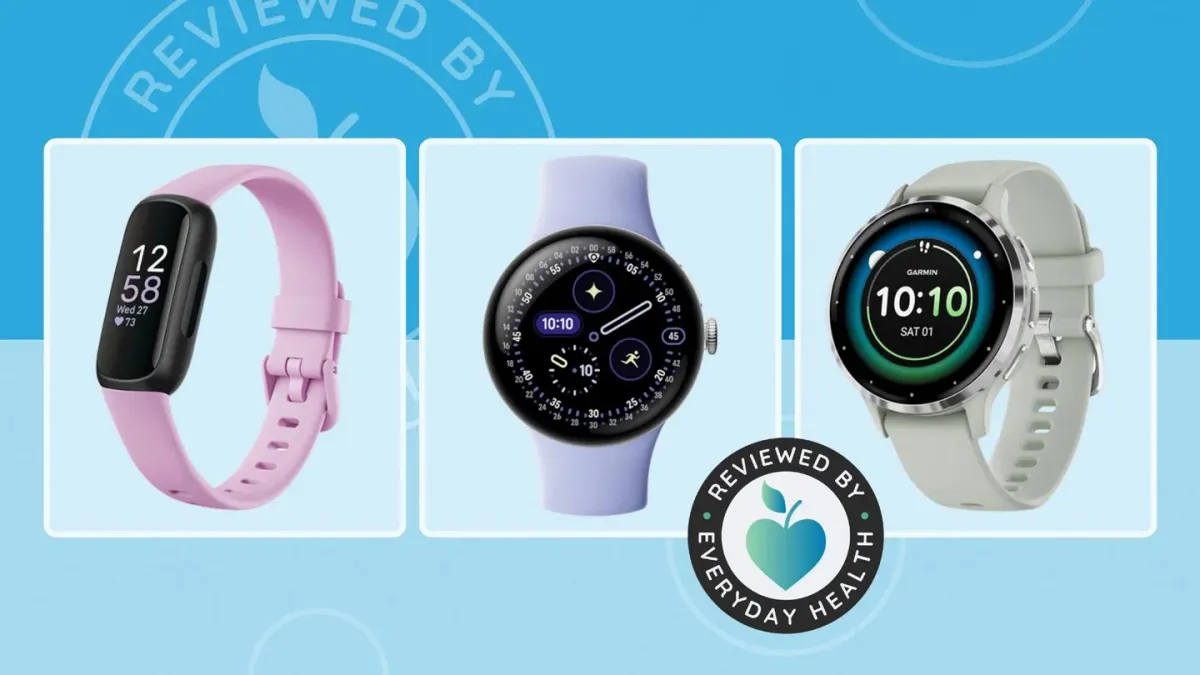
A fitness tracker in 2026 detects hypertension, runs medical-grade ECGs, maps ultramarathon routes with multi-band GPS, and coaches your sleep recovery using AI that learns your actual patterns. The gap between a $47 wristband and a $500 smartwatch has collapsed everywhere except the price tag. This list ranks the ten best fitness trackers of 2026 across every budget and use case: the Apple Watch Series 11 at #1 for iPhone owners who want it all, the Garmin Forerunner 965 at #3 for ultramarathoners who need 31-hour GPS, and a $47 Xiaomi at #10 that somehow runs 21 days on a charge. If you want the most complete health wearable available, the Series 11 is your answer. If battery life matters more, there's a 35-day hybrid watch at #7. And if you just want something that works for under $50, #9 and #10 are waiting.
| # | Product | Price | Rating | |
|---|---|---|---|---|
| #1 | Apple Watch Series 11 | $399.00 | 4.7/5 | View Deal |
| #2 | Garmin Forerunner 265 | $449.99 | 4.7/5 | View Deal |
| #3 | Garmin Forerunner 965 | $499.99 | 4.7/5 | View Deal |
| #4 | Samsung Galaxy Watch 8 | $289.09 | 4.5/5 | View Deal |
| #5 | Fitbit Charge 6 | $139.00 | 4.1/5 | View Deal |
| #6 | Google Fitbit Air | $99.99 | 4.4/5 | View Deal |
| #7 | Withings ScanWatch 2 | $347.79 | 4.1/5 | View Deal |
| #8 | Fitbit Inspire 3 | $69.95 | 4.2/5 | View Deal |
| #9 | Samsung Galaxy Fit 3 | $46.35 | 4.4/5 | View Deal |
| #10 | Xiaomi Mi Smart Band 10 | $47.49 | 4.2/5 | View Deal |
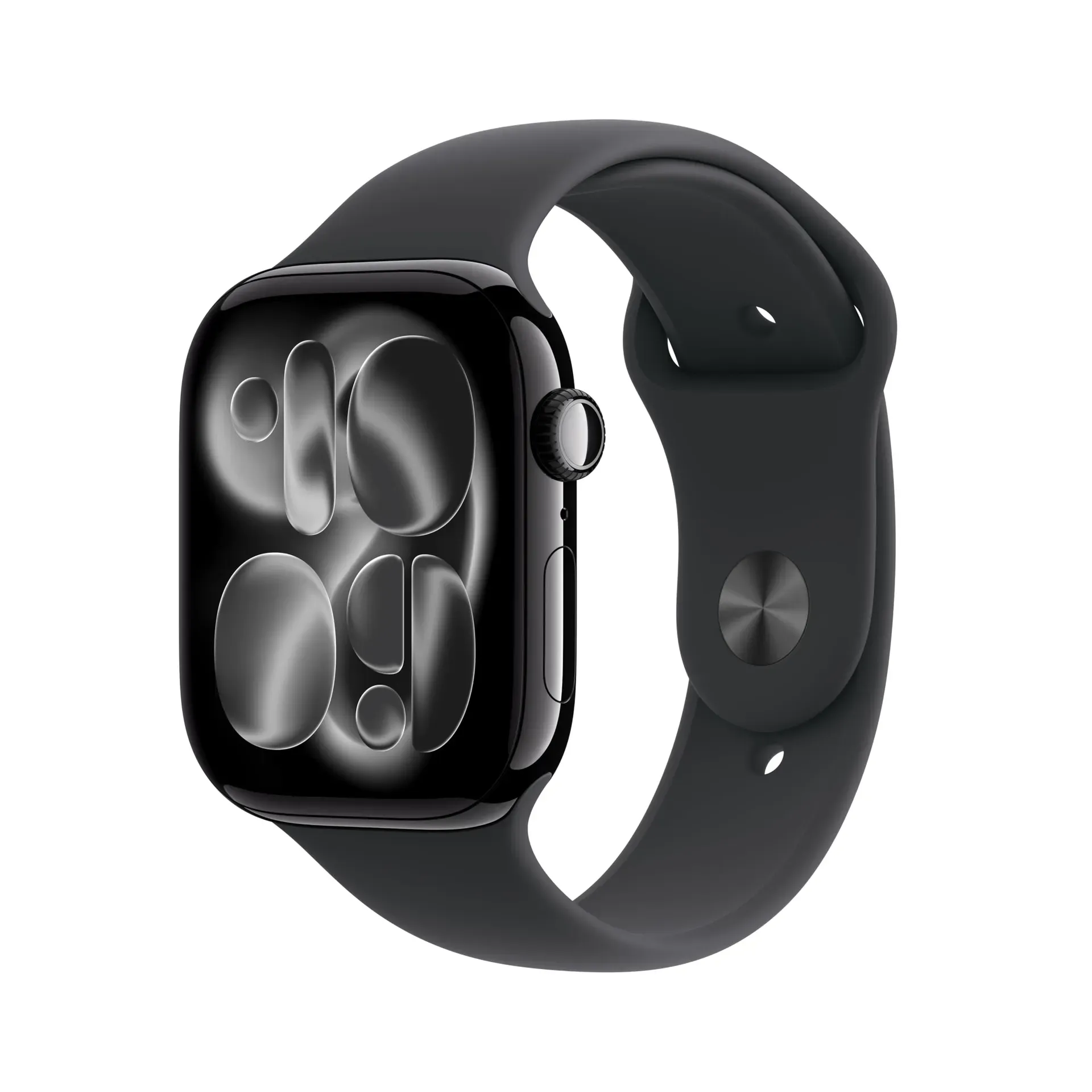
#1. Apple Watch Series 11 [GPS 46mm] Smartwatch
The most complete health wearable on the market, period. ECG, hypertension alerts, and AI coaching on your wrist.
Price: $399.00 Rating: 4.7/5 Best For: iPhone Users Check Price on Amazon
The Apple Watch Series 11 is less a fitness tracker and more a wrist-worn health clinic that also happens to log your runs and handle your texts. The hypertension detection analyzes how your blood vessels respond to each heartbeat. No other tracker on this list does that. That feature alone vaults it past the Garmins at #2 and #3 if health monitoring is your priority. But the real draw is how everything fits together: training feedback that's genuinely useful, instant iPhone sync, and a polished experience that makes the Withings ScanWatch 2 at #7 feel like a compromise. You're not choosing between health tracking and smart features. You're getting both. If you own an iPhone and want one device that does everything, stop scrolling.
Pros
- On-wrist ECG with alerts for high/low heart rate and irregular rhythm
- Hypertension notifications via blood vessel response analysis
- Daily Sleep Score with overnight vitals monitoring
- Advanced fitness metrics: Heart Rate Zones, training load, Pacer, and Workout Buddy powered by Apple Intelligence
- Superdurable glass display, 2x more scratch resistant than Series 10
- Fast charging: 8 hours of use from a 15-minute charge
- 50m water resistance and IP6X dust resistance
Cons
- iPhone required, Android users are locked out entirely
- 24-hour battery means daily charging; Garmin options last weeks
- $399 starting price puts it at a premium tier
Verdict: The Apple Watch Series 11 is the best fitness tracker of 2026 for iPhone users who want comprehensive health monitoring and smartwatch features in one device. Android users should look to the Samsung Galaxy Watch 8 (#4) instead.
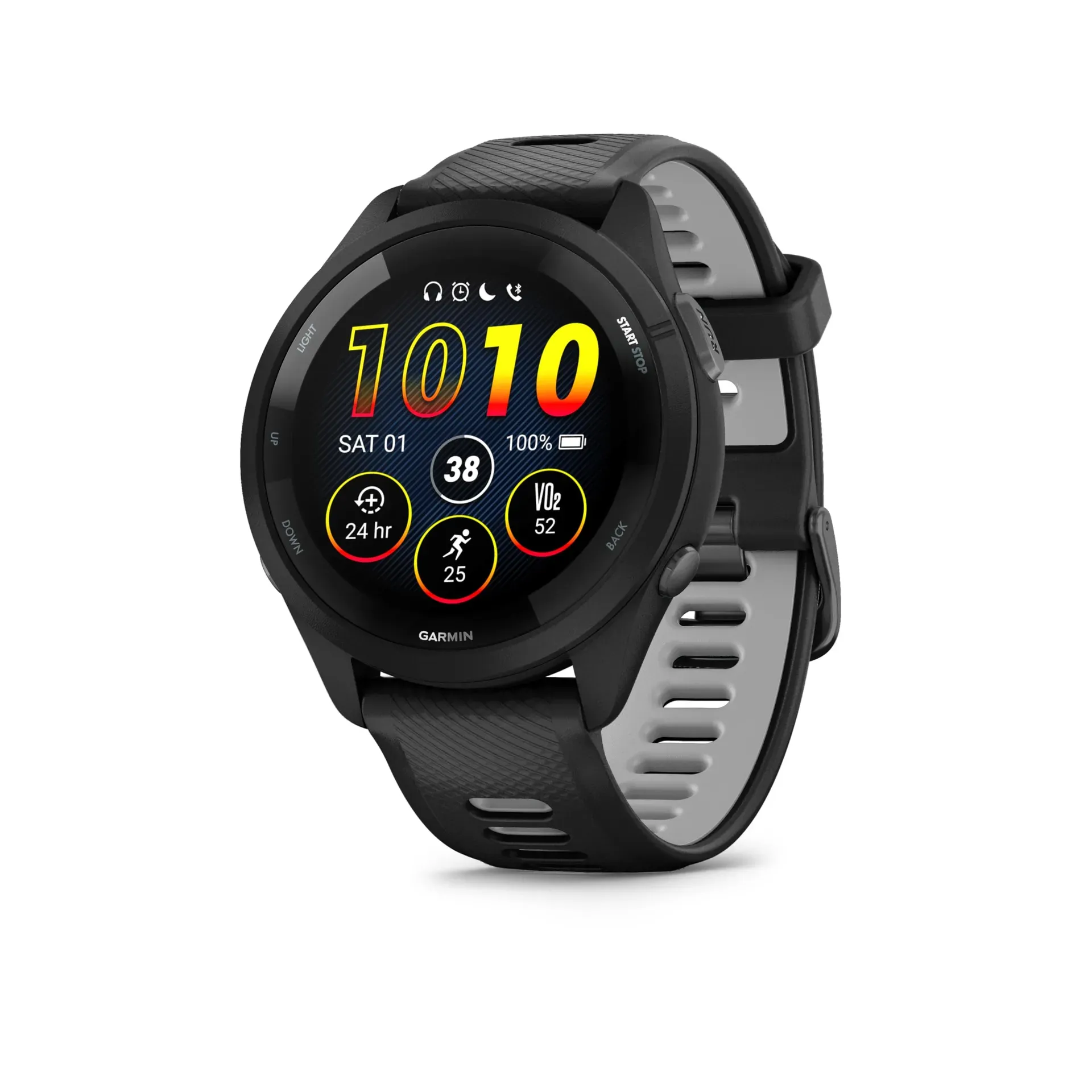
#2. Garmin Forerunner 265 Running Smartwatch
The runner's gold standard: training readiness, daily suggested workouts, and a brilliant AMOLED display.
Price: $449.99 Rating: 4.7/5 Best For: Serious Runners Check Price on Amazon
If you're a runner who rolls their eyes at smartwatch gimmicks, the Forerunner 265 was built for you. Every metric it surfaces, from HRV status to training load, feeds into a specific recommendation. Not data-dump noise. Compared to the Apple Watch Series 11 (#1), the 265 goes deeper on running-specific insights while costing about the same. The tradeoff? No ECG, no cellular, no texting from your wrist. The plastic build at $450 won't win design awards, either. But here's who shouldn't buy it: anyone who runs casually twice a week. This is a serious tool for people who plan workouts around training cycles, not moods. For that crowd, the 265 is peerless. Everyone else should look at the Fitbit Charge 6 (#5) and pocket the $310 difference.
Pros
- Brilliant 1.3" AMOLED touchscreen with traditional button controls
- Up to 13 days smartwatch battery / 20 hours GPS mode
- Morning report covering sleep, recovery, HRV status, and training readiness
- Personalized daily suggested workouts that adapt after every run
- Multi-band GNSS with SatIQ technology for superior GPS accuracy
- 30+ built-in activity profiles including triathlon, cycling, and open-water swimming
- Garmin Pay contactless payments and onboard music storage
Cons
- No ECG, blood pressure monitoring, or speaker/mic for calls
- Plastic case at $450 feels underwhelming next to metal-bodied competitors
- Overkill for casual exercisers who don't follow structured training plans
Verdict: The Garmin Forerunner 265 is the best fitness tracker for serious runners and triathletes who want deep training analytics. Casual runners will find more value in the Apple Watch Series 11 (#1) or Fitbit Charge 6 (#5).
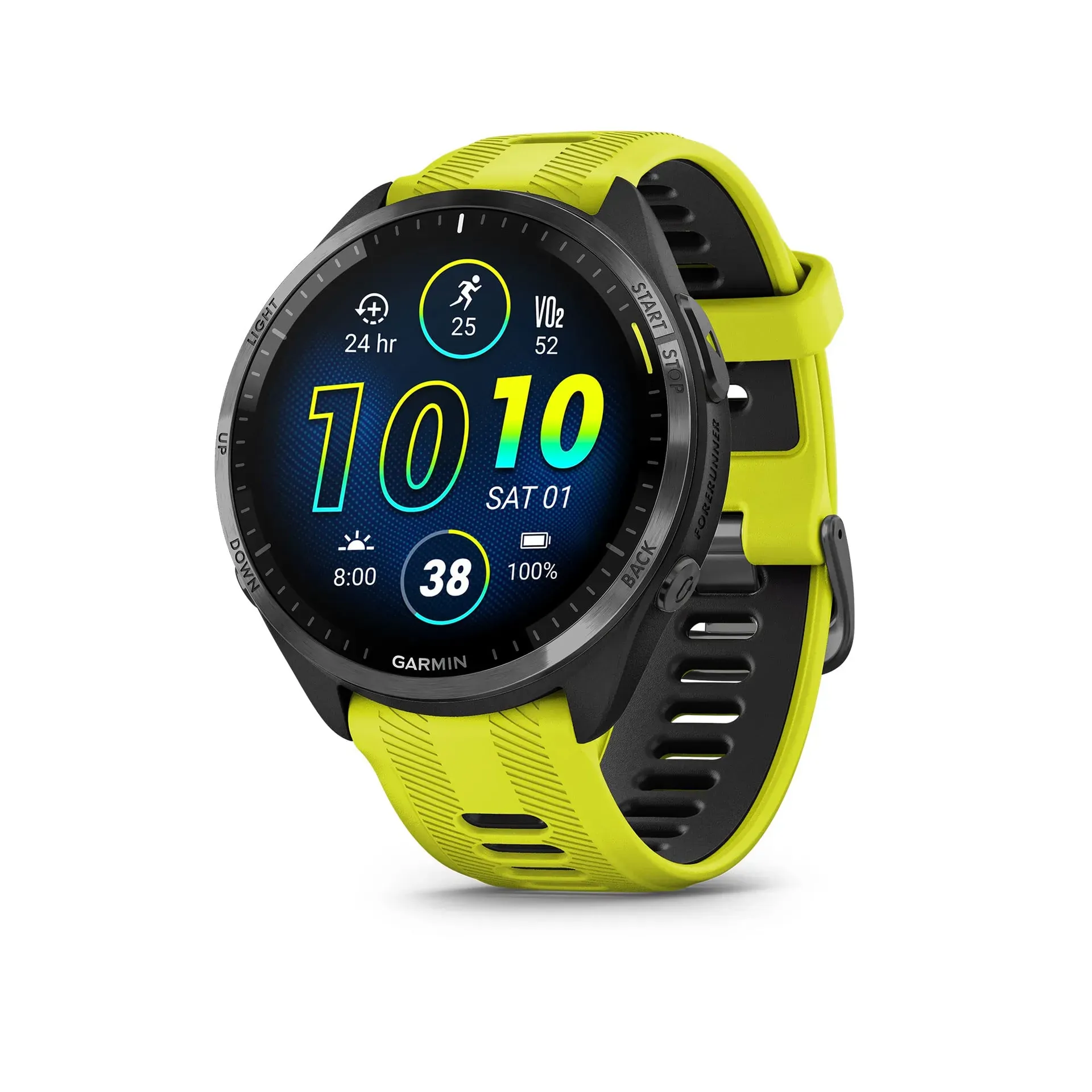
#3. Garmin Forerunner 965 Running Smartwatch
Ultramarathon-ready: full-color maps, titanium build, and 31 hours of GPS tracking.
Price: $499.99 Rating: 4.7/5 Best For: Advanced Runners Check Price on Amazon
Take the 265 at #2, add full-color maps, swap the plastic for a titanium bezel, and nearly double the GPS battery life to 31 hours. That's the Forerunner 965. Is it worth the extra $50? Only if you'll actually use the maps or need your watch alive at mile 80 of a 100-miler. For half marathons and weekend 10Ks, the 965 is overkill. The 265 does 85% of this for less. But the titanium build feels genuinely premium on the wrist, and the larger 1.4-inch screen makes mid-route navigation usable rather than a squint-fest. Buy it if you need maps and maximum endurance. Skip it if you don't. It's really that simple.
Pros
- 1.4" AMOLED touchscreen with lightweight titanium bezel
- Up to 23 days smartwatch battery / 31 hours GPS mode
- Full-color built-in maps with dynamic round-trip routing
- Training readiness score based on sleep, recovery, training load, and HRV
- Wrist-based running dynamics: cadence, stride length, ground contact time, and running power
- Multisport auto-transition for seamless swim-bike-run recording
Cons
- $500 is steep when the Forerunner 265 (#2) handles 85% of the same tasks
- Built-in maps are fantastic but wasted on casual runners and gym-goers
- No LTE cellular option at this price point
Verdict: The Garmin Forerunner 965 is the ultimate running watch for ultramarathoners and adventure athletes who need maps and extreme battery life. Everyone else should save $50 and grab the Forerunner 265 (#2).
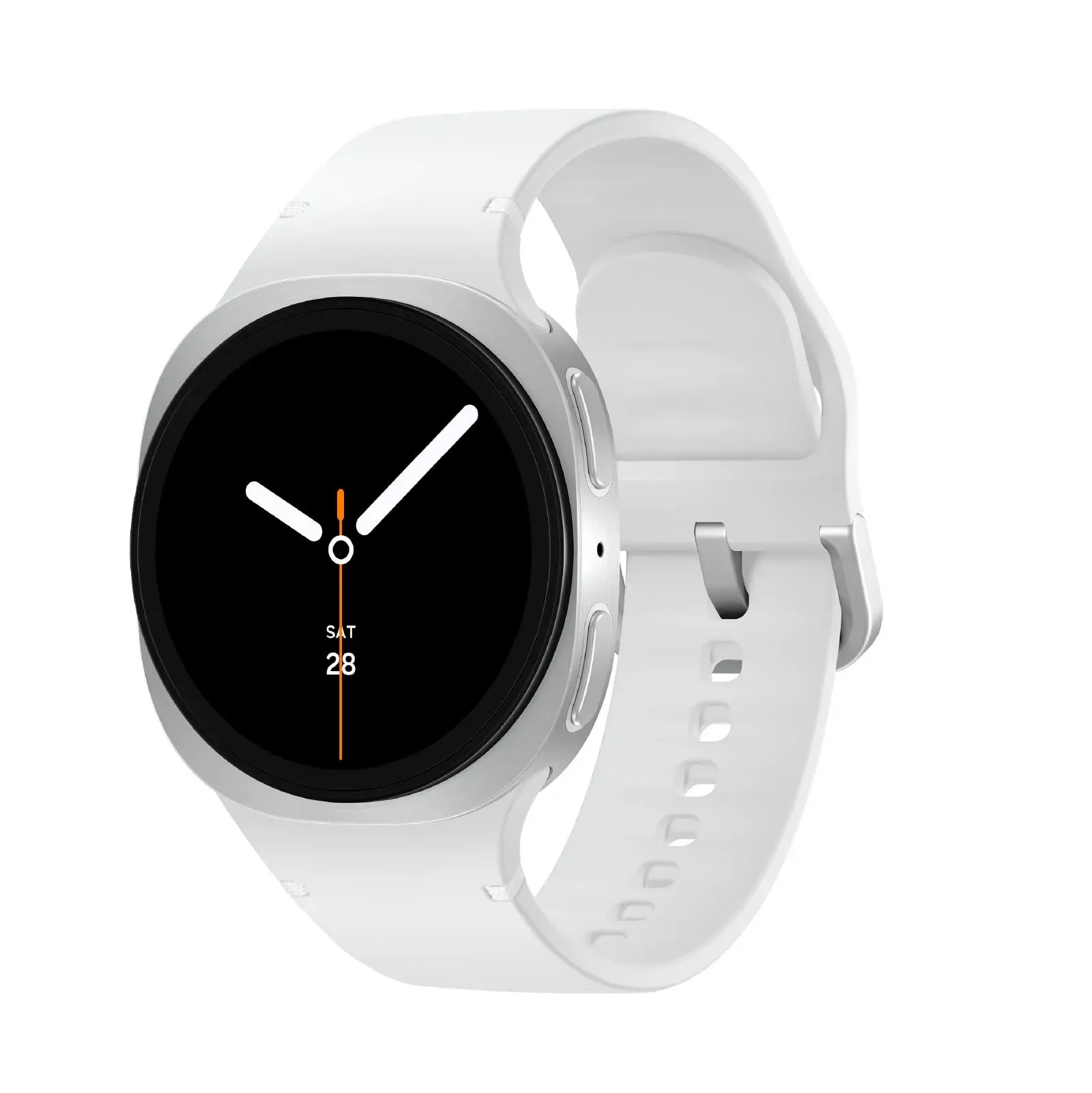
#4. Samsung Galaxy Watch 8 (2025) 40mm Smartwatch
The Android answer to Apple Watch: blood pressure monitoring, AI sleep coaching, and a sleek new design.
Price: $289.09 Rating: 4.5/5 Best For: Android Users Check Price on Amazon
Android users have waited years for a watch that matches Apple's health tracking depth, and the Galaxy Watch 8 gets closer than anything before it. The blood pressure monitoring is genuinely useful for anyone managing hypertension. One catch: it needs a one-time calibration with a real cuff. The AI-powered Energy Score gives you a single number each morning summarizing yesterday's sleep, activity, and heart rate, which is more actionable than it sounds. This model is thinner than previous Galaxy Watches, finally solving the bulk complaint. Compared to the Garmin Forerunner 265 (#2), it's the better pick if you want notifications and apps alongside fitness tracking. But pure athletes will find the training metrics shallower than Garmin's, and the battery life falls well short of both Garmins on this list.
Pros
- Advanced Sleep Coaching with Bedtime Guidance to optimize your sleep schedule
- Running Coach with real-time feedback and structured programs for 5Ks, marathons, and more
- Blood pressure monitoring with convenient on-wrist measurement
- Energy Score powered by Galaxy AI analyzes sleep, activity, and heart rate daily
- Thinner-than-ever silhouette with snug, comfortable all-day fit
- Full Google integration including Maps, Wallet, and Assistant
Cons
- Battery life lags significantly behind Garmin and Withings options
- Blood pressure monitoring requires initial calibration with a real cuff
- Some advanced health features are exclusive to Samsung phone users
Verdict: The Samsung Galaxy Watch 8 is the best fitness tracker for Android users who want flagship smartwatch features and unique health tools like blood pressure monitoring. iPhone users should look at the Apple Watch Series 11 (#1).
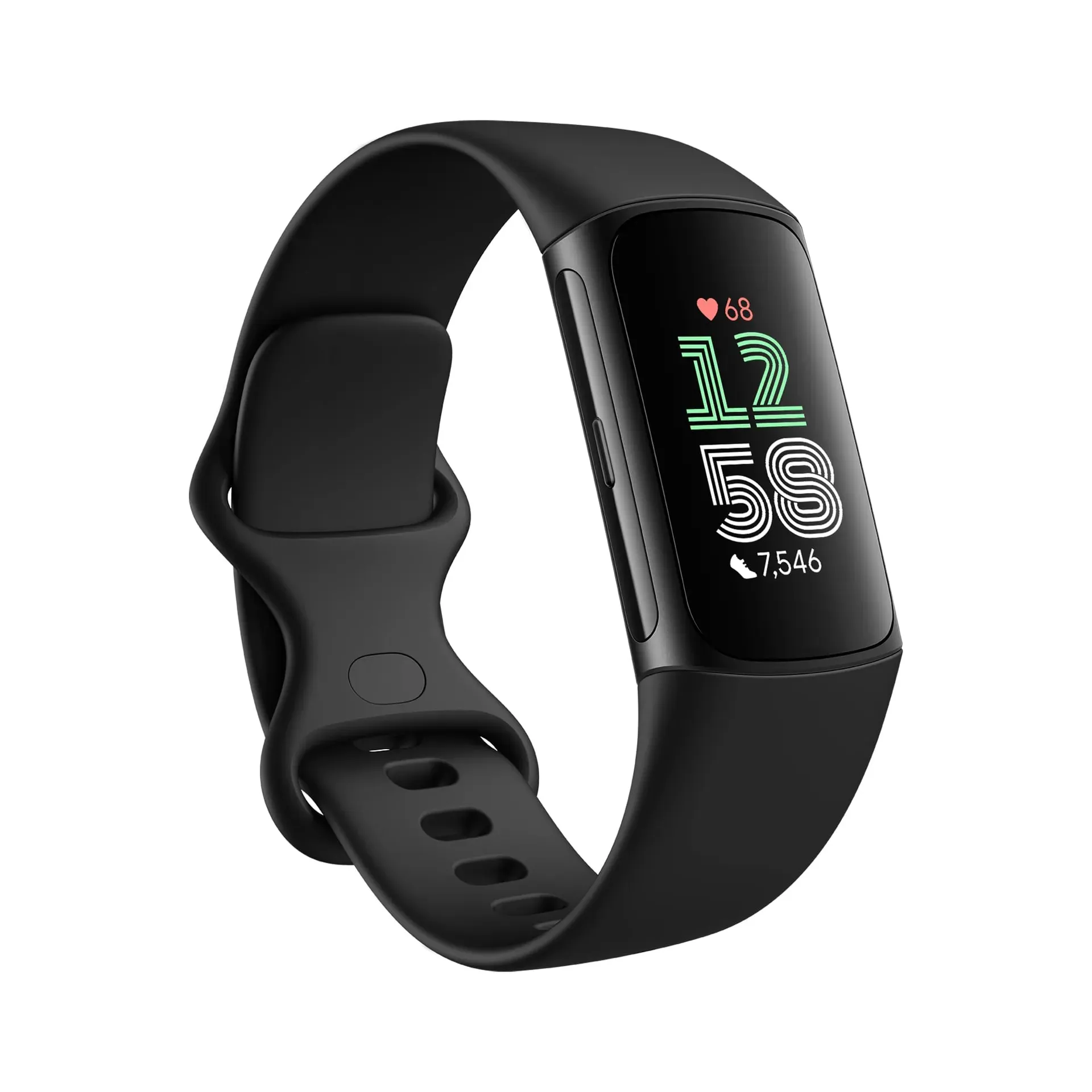
#5. Fitbit Charge 6 Fitness Tracker
21,000+ reviews strong. Broadcasts heart rate to gym equipment and bundles Google smarts for $139.
Price: $139.00 Rating: 4.1/5 Best For: Health-Conscious Users Check Price on Amazon
The Charge 6 has one trick no other tracker on this list can match: it broadcasts your heart rate directly to compatible treadmills, ellipticals, and rowing machines. No more mismatched readings between your wrist and the machine's grip sensors. With over 21,000 reviews, it's also the most-purchased tracker here. People vote with their wallets, and at $139, the value is hard to argue with. Google Maps turn-by-turn and Google Wallet payments make it practical beyond the gym. No, it's not as premium as the Apple Watch Series 11 (#1). It doesn't need to be. The heart rate broadcasting alone makes the Charge 6 worth considering if you spend serious time on gym machines. That's a genuinely useful feature nobody else has solved this cleanly.
Pros
- 40+ exercise modes with built-in GPS and automatic exercise detection
- Real-time heart rate display on compatible gym equipment (treadmills, ellipticals, rowers)
- Daily Readiness Score tells you whether to push hard or recover
- Stress management score with guided breathing sessions
- Google Maps turn-by-turn directions and Google Wallet contactless payments
Cons
- 4.1/5 rating is the lowest among top-tier picks on this list
- Band attachment mechanism has reported durability issues in long-term use
- No ECG functionality despite the premium Google integration
Verdict: The Fitbit Charge 6 is one of the best affordable fitness trackers for gym-goers who want heart rate sync with equipment and Google ecosystem perks. Skip it if ECG or premium build quality matter more.
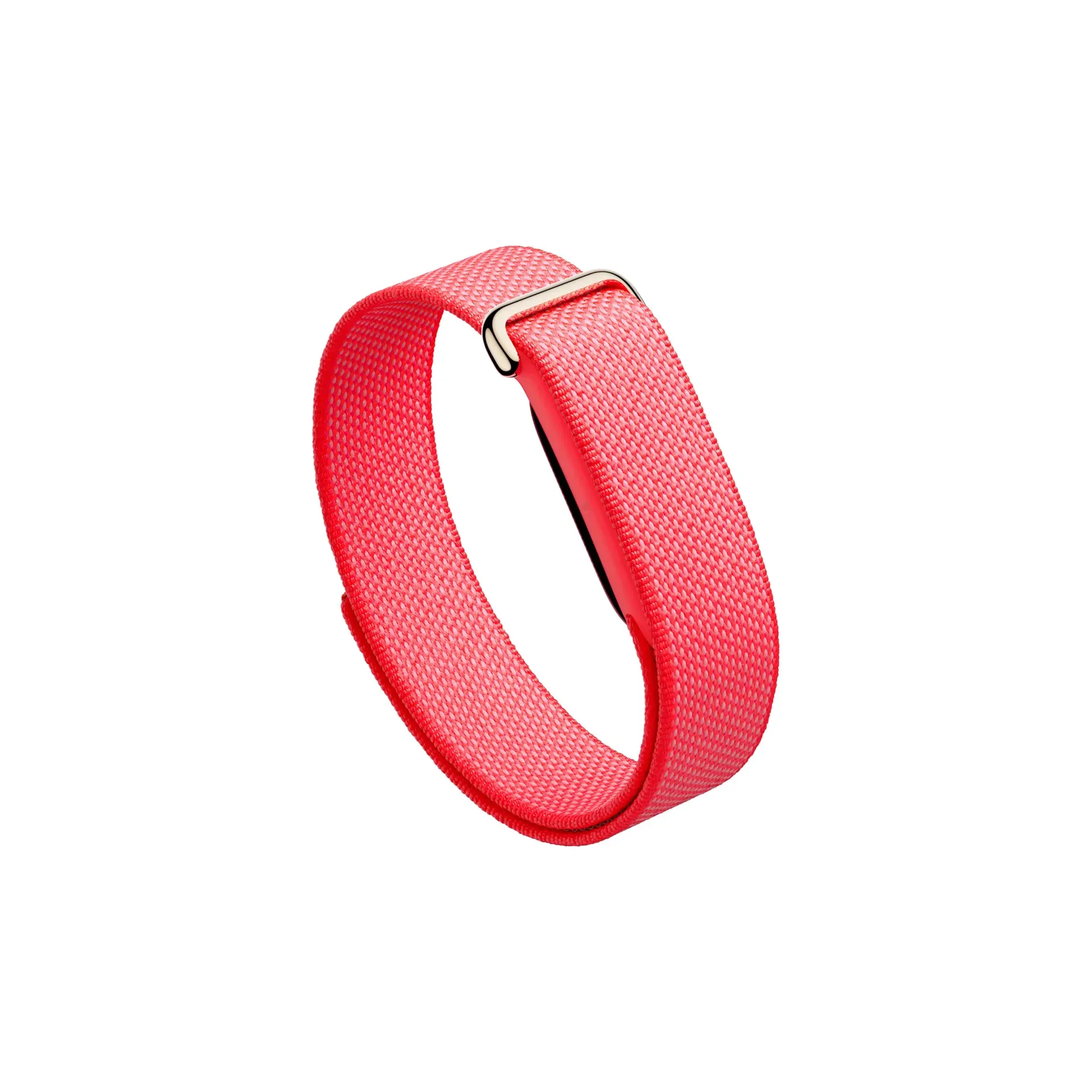
#6. Google Fitbit Air – Screenless Activity Tracker
No screen, no distractions, one-week battery. The minimalist tracker that ditches the display entirely.
Price: $99.99 Rating: 4.4/5 Best For: Screenless Tracking Check Price on Amazon
A fitness tracker with no screen sounds like a punchline. Then you wear one for a week and realize how little you actually need to glance at your wrist. The Fitbit Air strips away every distraction. No notifications, no buzzes, no glowing display begging for attention. It focuses entirely on passive health tracking. The Google Health Coach AI builds personalized fitness plans and sleep guidance that live in the Fitbit app, not on your wrist. A week of battery and a five-minute fast charge mean you'll forget you're wearing it. But let's be direct: if you want real-time pace data mid-run or need to see your heart rate during a workout, skip this. The Air is for people who want health insights without another screen demanding their attention. That's a smaller audience, but for them, nothing else on this list fits.
Pros
- Screenless design eliminates distractions and blends with any outfit
- Lightweight, micro-adjustable band fits 130 to 210 mm wrists comfortably
- Up to 7 days battery life; 5-minute fast charge gives a full day of use
- Google Health Coach delivers AI-powered personalized fitness and sleep plans
- Swappable bands for different occasions: bracelet, workout band, sleep band
Cons
- No display at all, you must pull out your phone to see any data
- Cannot show real-time stats mid-workout; useless for pace or HR zone training
- Limited standalone functionality compared to every other tracker on this list
Verdict: The Google Fitbit Air is a bold, refreshing take on fitness tracking for minimalists who want health data without screen addiction. Runners, cyclists, and data-hungry athletes should look at the Garmin Forerunner 265 (#2) instead.
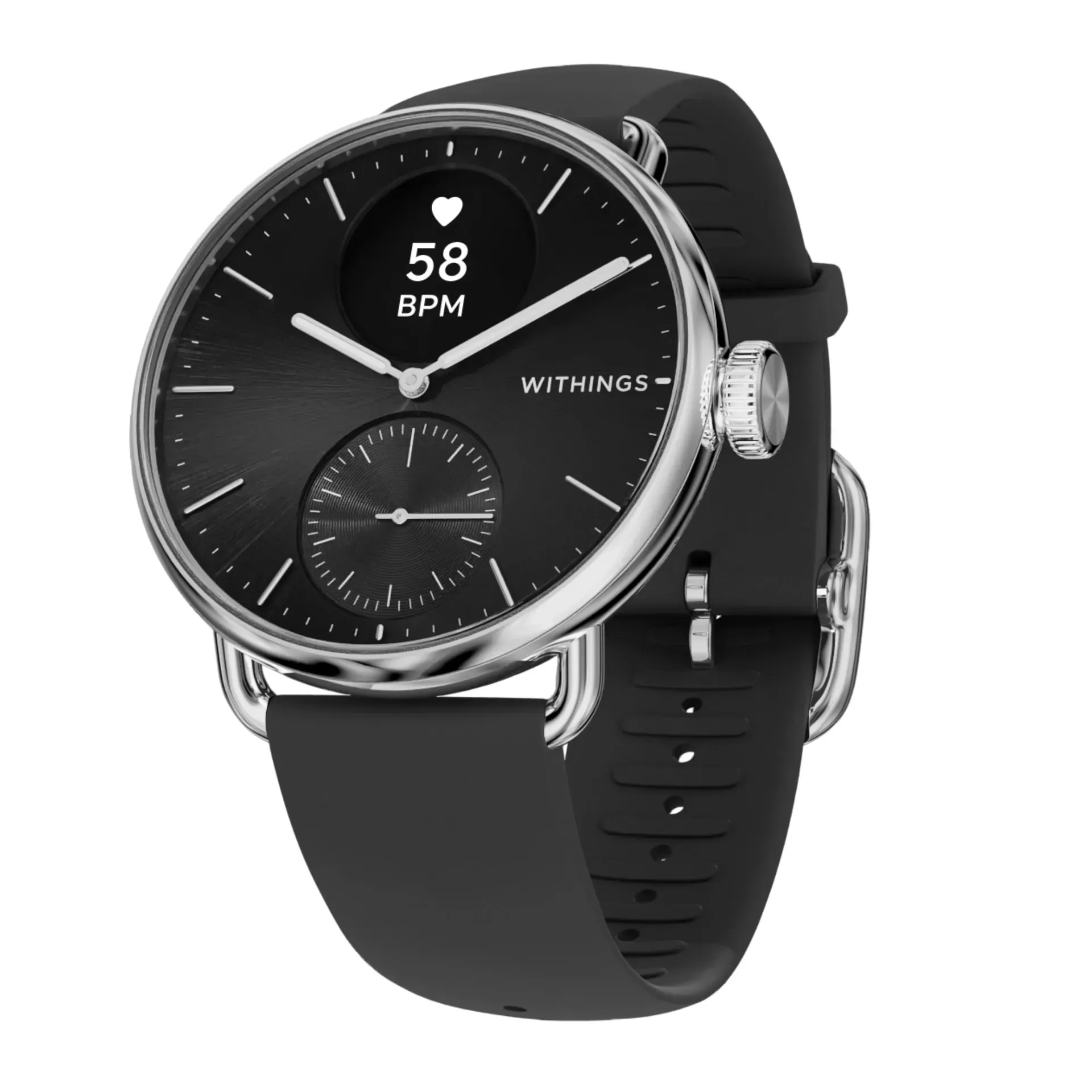
#7. Withings ScanWatch 2 – Hybrid Smart Watch
35-day battery in a stainless steel body with analog hands. Health tracking that looks like a real watch.
Price: $347.79 Rating: 4.1/5 Best For: Classic Style Lovers Check Price on Amazon
Most fitness trackers scream "I'm tracking my steps." The ScanWatch 2 whispers it. Stainless steel case, sapphire glass, physical analog hands. This looks like a watch you'd wear to a wedding, not something that also runs medical-grade ECGs and tracks your sleep stages. The 35-day battery life embarrasses every other device on this list, including the Xiaomi at #10 with its 21 days. But the tradeoffs are real. The small OLED screen is genuinely hard to read in sunlight, and there's no built-in GPS, so you'll need your phone for any run mapping. At $348, you're paying a style premium. If looking good matters as much as tracking well, the ScanWatch 2 has no competition here. If you want GPS and a bigger display for less money, the Garmin Forerunner 265 (#2) is the obvious alternative.
Pros
- 35-day battery life, the longest of any tracker on this list
- 30-second medical-grade ECG with AFib detection
- Stainless steel case with sapphire glass for premium durability
- Sleep-stage analysis with breathing disturbance detection
- 40+ sport modes with VO2 max tracking and heart rate zones
- 5 ATM water resistance suitable for swimming
Cons
- Small OLED sub-display is difficult to read outdoors or in bright light
- No built-in GPS, phone required for run mapping and pace data
- $348 price tag is a style premium; the Fitbit Charge 6 (#5) offers similar health tracking for $139
Verdict: The Withings ScanWatch 2 is the best fitness tracker for health monitoring in a classic watch form factor. It's ideal for professionals who want health insights without a screen on their wrist, but runners needing GPS should look at the Garmin Forerunner 265 (#2).
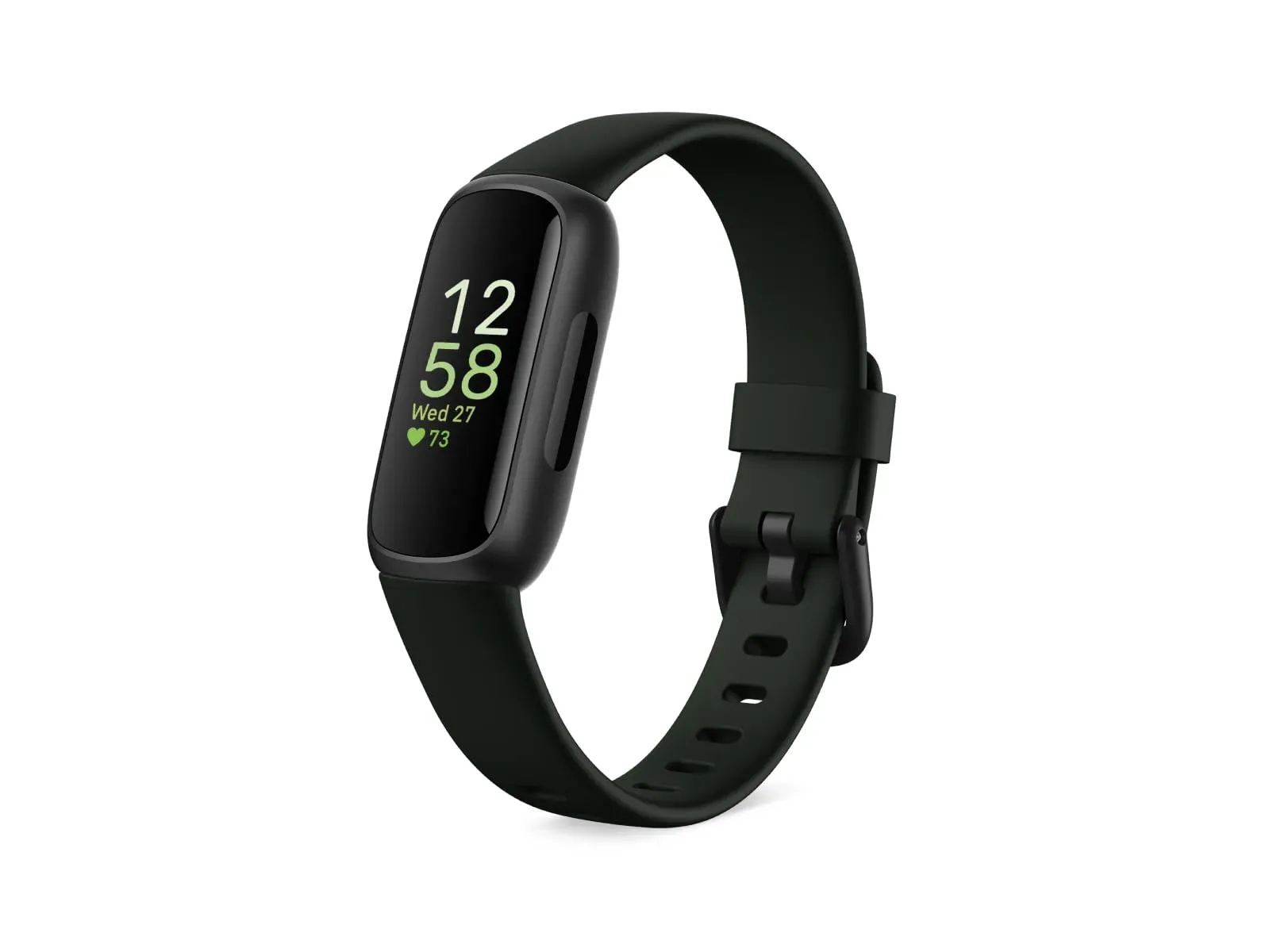
#8. Fitbit Inspire 3 Health & Fitness Tracker
24,800+ reviews at $69.95. The everyday tracker that nails sleep, stress, and activity without the fluff.
Price: $69.95 Rating: 4.2/5 Best For: Everyday Fitness Check Price on Amazon
Twenty-five thousand reviews and a $69.95 price tag make a compelling argument. The Inspire 3 earns its spot by doing the basics well: detailed Sleep Score, all-day heart rate monitoring, and a Daily Readiness Score that tells you whether to push or rest. The color AMOLED display is bright and legible, a meaningful step up from monochrome budget screens. Where it falls short: no built-in GPS means your phone comes on every run, and the plastic build feels exactly like what it costs. Compared to the Samsung Galaxy Fit 3 (#9) at $46, you're paying extra for Fitbit's superior app experience and menstrual health tracking. For most people, that's money well spent. The Fitbit app is simply more polished than what Samsung and Xiaomi offer at this price.
Pros
- 1.3" AMOLED color touchscreen with always-on display option
- 24/7 heart rate monitoring with SpO2 sensing
- Detailed Sleep Score with smart wake vibrating alarm
- Daily Stress Management Score with guided breathing sessions
- 40+ exercise modes with automatic exercise detection
- Menstrual health tracking built into the Fitbit app
Cons
- No built-in GPS, phone-dependent for accurate run and ride tracking
- Plastic build quality reflects the budget price point
- No altimeter for tracking stairs climbed or elevation gain
Verdict: The Fitbit Inspire 3 is one of the best affordable fitness trackers for everyday users who want comprehensive health tracking under $70. It's an especially strong pick for anyone who wants menstrual health features built in. Runners needing GPS should upgrade to the Fitbit Charge 6 (#5).
#9. Samsung Galaxy Fit 3 [2024] Fitness Tracker
$46 for a 1.6-inch AMOLED and 14-day battery. The budget champion Android users have been waiting for.
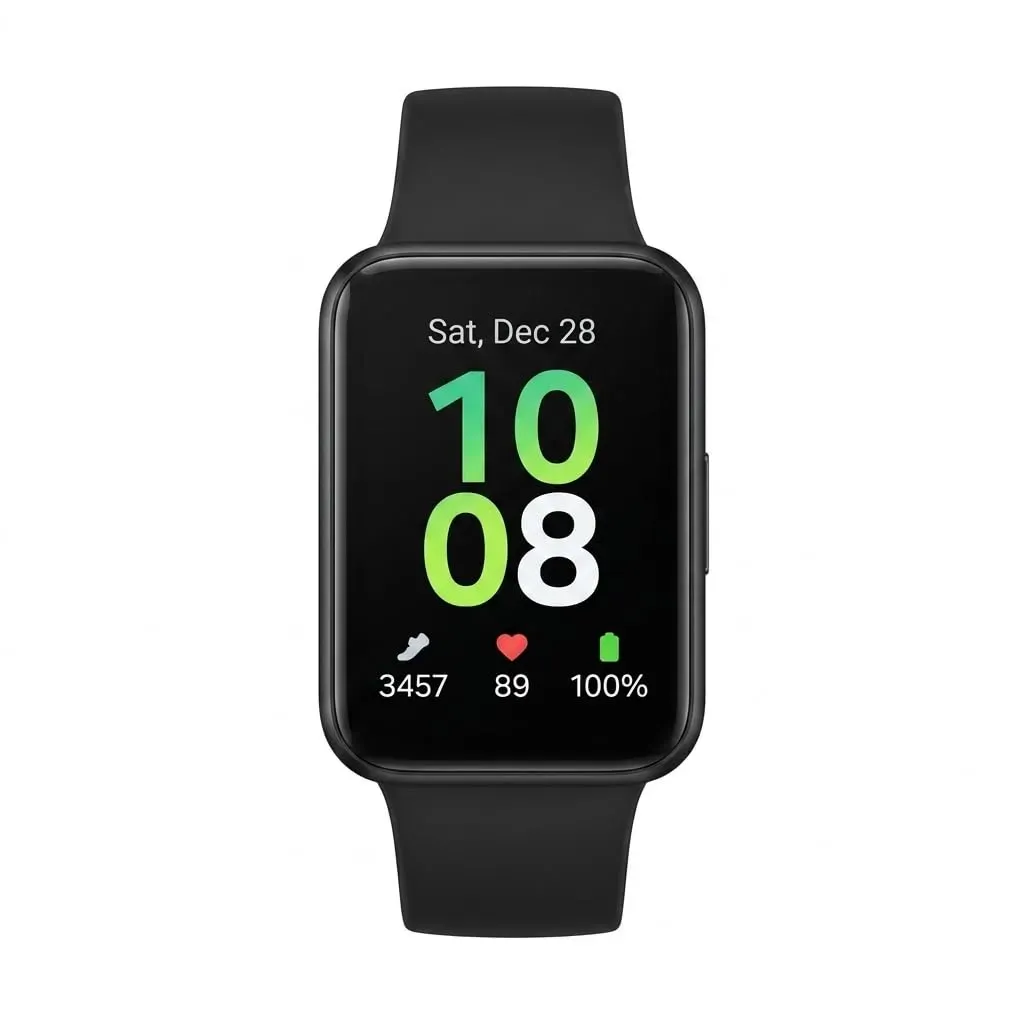
Price: $46.35 Rating: 4.4/5 Best For: Budget Fitness Check Price on Amazon
Forty-six dollars. That's what a 1.6-inch AMOLED fitness tracker costs in 2026. The Galaxy Fit 3 packs a shockingly good display, 14-day battery life, and 101+ workout modes into a device cheaper than a monthly gym membership. The 5ATM and IP68 water resistance handles pool sessions and dusty trails without flinching. But there's a catch: this tracker is Android-only. No iPhone compatibility at all. It's also an international model, so US warranty support can be spotty. Compared to the Xiaomi Mi Smart Band 10 (#10), you're trading battery life (14 vs. 21 days) for a more polished Samsung experience. If you're on Android and every dollar counts, this is your pick. Honestly, the display quality at this price is the real story here.
Pros
- Vibrant 1.6" AMOLED display with smooth touch navigation
- Up to 14 days battery life from a 208mAh battery
- 101+ workout modes with automatic workout detection
- 5ATM and IP68 water resistance for swimming and dust protection
- Advanced sleep coaching with snore detection
- 100+ customizable watch faces
Cons
- Android-only, zero iPhone or iOS compatibility
- International model with potentially limited US warranty coverage
- No built-in GPS or NFC for contactless payments
Verdict: The Samsung Galaxy Fit 3 is the best affordable fitness tracker for Android users who want a big, bright AMOLED display at a budget price. iPhone users and anyone needing GPS should look elsewhere.
#10. Xiaomi Mi Smart Band 10 (2025) Fitness Tracker
21-day battery on a 1.72-inch AMOLED. The endurance king that costs less than a nice dinner.
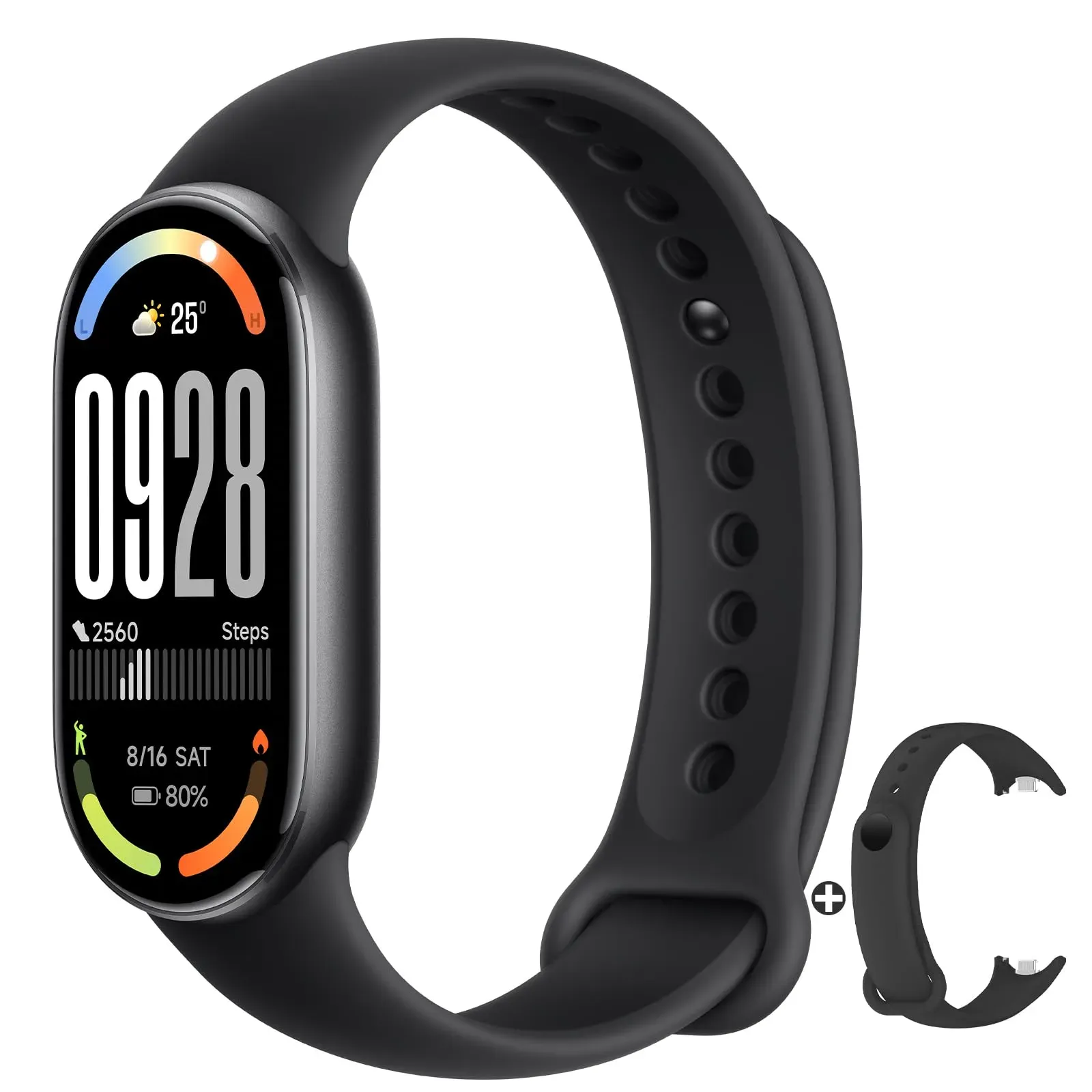
Price: $47.49 Rating: 4.2/5 Best For: Budget Buyers Check Price on Amazon
The Mi Smart Band 10 wins on the metric people care about more than they admit: you charge it three times a month. Twenty-one days on a single charge, paired with a bright 1.72-inch AMOLED hitting 1,500 nits. That's the best endurance-to-display ratio of any tracker here. The high-precision compass for swim tracking is surprisingly accurate for a $47 device. Xiaomi clearly invested in the pool experience. Where things get less polished: the companion app doesn't match Fitbit or Samsung's refinement, the global version lacks NFC, and brand support in the US isn't as developed as the household names above it. Still, if you want the biggest display and longest battery life at the lowest possible price, the math is hard to argue with. Charge it on payday and you're good until the next one.
Pros
- 1.72" AMOLED display with 1,500 nits HBM brightness for direct sunlight readability
- Exceptional 21-day battery life with fast charging support
- High-precision electronic compass for accurate swim direction tracking
- Comprehensive sleep monitoring with enhanced nighttime recovery tracking
- 5 ATM water resistance for swimming and all-weather workouts
- HyperOS interface for smooth, connected navigation
Cons
- Companion app is less polished than Fitbit or Samsung alternatives
- No NFC in the global version for contactless payments
- Limited US brand presence and warranty support compared to Garmin or Fitbit
Verdict: The Xiaomi Mi Smart Band 10 is the best fitness tracker for budget buyers who prioritize display size and battery endurance above all else. If app polish and US-based support matter more, grab the Fitbit Inspire 3 (#8) instead.
How to Choose the Best Fitness Trackers in 2026
Picking the right fitness tracker isn't about finding the one with the most features. It's about matching a device's strengths to your actual life, not the version of your life where you suddenly become an ultramarathoner. Here's what actually matters.
Key Specs That Actually Matter
Start with the health sensors you'll genuinely use. If you have a heart condition or family history, ECG and AFib detection, found on the Apple Watch Series 11 (#1) and Withings ScanWatch 2 (#7), are worth the premium. Blood pressure monitoring is rarer still; only the Samsung Galaxy Watch 8 (#4) offers it on this list. For most people, solid heart rate tracking, SpO2, and sleep-stage analysis cover the bases, and you can get all three from the $69.95 Fitbit Inspire 3 (#8).
Battery life varies wildly. The Withings ScanWatch 2 runs 35 days, the Xiaomi Mi Smart Band 10 hits 21 days, and most full smartwatches need charging every 1 to 2 days. If daily charging annoys you, steer toward Garmin, Withings, or Xiaomi. Also check for built-in GPS if you run or cycle without your phone. The Fitbit Inspire 3 and Galaxy Fit 3 lack it, while every Garmin and the Apple Watch include it.
Price vs. Value: What You're Really Paying For
The jump from $50 to $150 gets you meaningful upgrades: color AMOLED displays, built-in GPS, and better app experiences. The jump from $150 to $300 adds advanced health sensors (ECG, blood pressure) and smartwatch features. Beyond $400, you're paying for premium materials like titanium and sapphire, extreme battery life for endurance sports, or the Apple ecosystem tax. Among the best affordable fitness trackers, the Samsung Galaxy Fit 3 (#9) and Xiaomi Mi Smart Band 10 (#10) deliver astonishing hardware for under $50, while the Fitbit Charge 6 (#5) at $139 is the value sweet spot for most buyers.
Brand Reliability and Ecosystem
Apple, Garmin, and Fitbit dominate the reliability conversation for good reason. Apple's ecosystem integration is unmatched, but it's iPhone-only. Garmin's devices are bulletproof for athletes and receive years of software updates. Fitbit, now under Google, offers the broadest compatibility across iOS and Android with a polished app experience. Samsung works best within the Samsung phone ecosystem, and some health features require a Samsung device. Withings carves a unique niche with hybrid watches that appeal to traditional watch wearers. Xiaomi delivers incredible hardware value but with less US-based support infrastructure.
Fitness Tracker vs. Smartwatch: The Real Difference
The fitness tracker vs smartwatch distinction has blurred almost completely in 2026. The Apple Watch Series 11 and Samsung Galaxy Watch 8 are full smartwatches that happen to excel at fitness. Dedicated trackers like the Fitbit Charge 6 and Inspire 3 focus more narrowly on health metrics, often with better battery life at lower prices. The Google Fitbit Air (#6) takes the opposite extreme: pure tracking with zero screen interaction. Your choice comes down to one question: do you want notifications, apps, and calls on your wrist, or do you just want health data? Answer that, and the right product category reveals itself.
Frequently Asked Questions
Are fitness trackers worth it?
Yes, if you act on the data. A fitness tracker won't make you healthier by existing on your wrist. But the accountability of seeing your step count, sleep quality, and resting heart rate trends over time creates awareness that leads to better decisions. Multiple studies show that people who wear fitness trackers move more and sleep more consistently. The key is picking one you'll actually wear. A $47 Xiaomi Mi Smart Band 10 (#10) worn daily beats a $500 Garmin left in a drawer.
Fitness tracker vs smartwatch: which should you buy?
If you want notifications, apps, calling, and music control from your wrist alongside fitness tracking, buy a smartwatch. The Apple Watch Series 11 (#1) or Samsung Galaxy Watch 8 (#4) are the top picks. If you want focused health tracking with better battery life, and you'd rather save $200+, a dedicated fitness tracker like the Fitbit Charge 6 (#5) makes more sense. The screenless Google Fitbit Air (#6) is the most extreme version of the tracker-only philosophy.
Do fitness trackers really work for weight loss?
They help, but they're not magic. Fitness trackers excel at making you aware of your activity levels and calorie burn, which supports weight loss when combined with a calorie deficit. The real value is behavioral: seeing a low step count at 4pm nudges you toward an evening walk. The sleep tracking on devices like the Fitbit Inspire 3 (#8) also matters, since poor sleep is directly linked to weight gain and cravings. But the tracker itself doesn't burn calories. You still have to do the work.
Which fitness trackers have blood pressure monitoring?
Blood pressure monitoring from the wrist is still rare in 2026. On this list, only the Samsung Galaxy Watch 8 (#4) offers it, and it requires an initial calibration with a traditional arm cuff. The Apple Watch Series 11 (#1) takes a different approach with hypertension notifications that analyze blood vessel response rather than providing a direct pressure reading. If blood pressure tracking is your priority, the Galaxy Watch 8 is the pick.
What's the best fitness tracker for health monitoring?
For comprehensive health monitoring, the Apple Watch Series 11 (#1) leads with ECG, hypertension detection, sleep scoring, and overnight vitals, all in one device. Android users should look to the Samsung Galaxy Watch 8 (#4) for its blood pressure monitoring and AI Energy Score. If you want medical-grade health tracking in a traditional watch design, the Withings ScanWatch 2 (#7) with its 30-second ECG and 35-day battery is the standout choice among the best fitness trackers for health monitoring.
Final Verdict
The best fitness trackers of 2026 cover a remarkable range. The Apple Watch Series 11 (#1) remains the undisputed all-rounder for iPhone users. No other device matches its combination of health depth, smart features, and polish. The Garmin Forerunner 965 (#3) is the ultramarathoner's dream with maps and 31-hour GPS, while the Forerunner 265 (#2) covers 85% of that for $50 less. On the value end, the Fitbit Inspire 3 (#8) at $69.95 and the Samsung Galaxy Fit 3 (#9) at $46.35 prove you don't need to spend triple digits for excellent tracking. Any tracker on this list will serve you well. The right one is simply the one whose tradeoffs you can live with. Prices on Amazon shift regularly, so check current deals before you buy.